
Target China, North Korea and Russia: Japan Developing Hypersonic Missiles for its Air Force
Military Watch Magazine Editorial Staff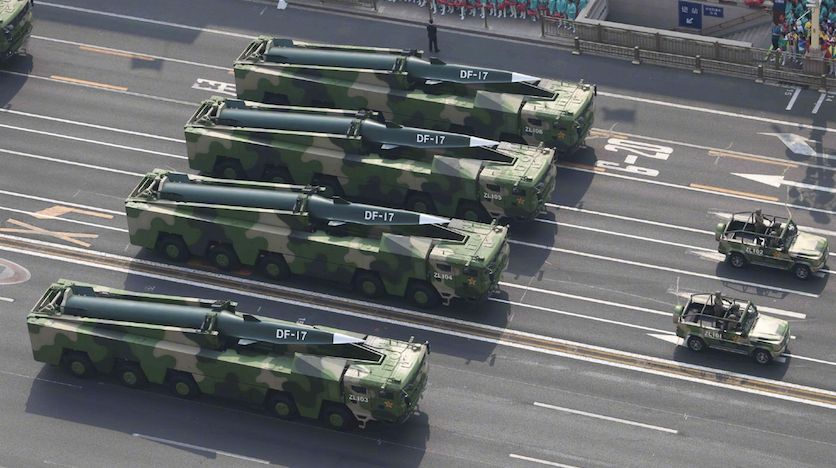
DF-17 Hypersonic Cruise Missiles
The Japanese government has unveiled plans for parallel development of a hypersonic cruise missile and a hypervelocity gliding projectile, and plans to develop these systems for its Air Force with the intention of inducting them into frontline service in the early 2030s. Plans to develop these weapons systems were published on the country’s official Acquisition, Technology and Logistics Agency website. The hypersonic cruise missile will be powered by a scramjet engine, and will boast far superior speeds and ranges to existing missile classes. The hypersonic glide vehicle will make use of a solid fuel rocket engine, and will maintain high velocity when gliding to its target. The new missiles will be compatible with a range of warheads specialised in engaging different ground and naval targets - including one specialised in penetrating the decks of aircraft carriers. Land attack versions will feature a high density explosively formed projectile.
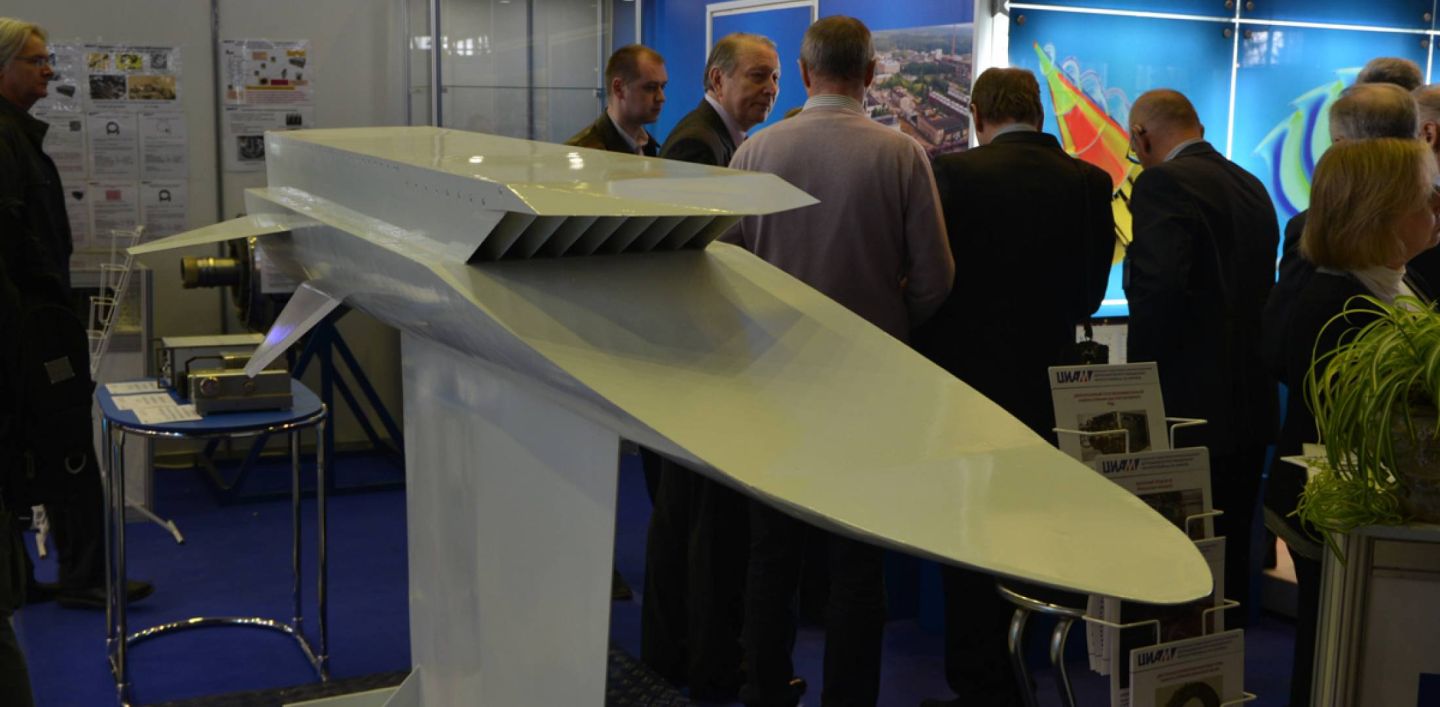
Both of Japan’s new hypersonic weapons will rely on satellite guidance. Warheads will use either radio frequency imaging converted from doppler shift data, which will provide a formidable capability against stealth targets, or an infra red seeker. It is likely that Japan will seek to mount its new weapons on its upcoming F-3 sixth generation heavyweight fighters - which will replace the F-2 fighters currently in service. The F-2 is currently the only class of Japanese fighter equipped with cruise missiles - although these are solely for anti shipping rather than land attack roles. Japan’s hypersonic cruise missiles are expected to pose a major challenge to Chinese, North Korean and Russian air defence systems such as the HQ-9B, KN-06 (Pyongae-5) and S-300, although newer systems such as the S-400, HQ-9C and S-500 are capable of intercepting hypersonic targets. Surface warships from both countries are expected to deploy air defence systems capable of intercepting hypersonic targets by the middle of the decade. Russia and China currently retain a considerable lead in hypersonic missile technologies, deploying a wide range of platforms from 2018 from the Russian Kh-47M2 air launched ballistic missile and Zircon ship based anti ship cruise missile to the Chinese DF-17 land attack cruise missile. While Japan’s armed forces enjoyed technological parity with the Soviet Union and a considerable advantage over China in the latter years of the Cold War, its position has diminished considerably since.
