
Syrian President Bashar Al Assad Marks 20 Years in Power: How War and Regime Change Have Shaped His Legacy
Military Watch Magazine Editorial Staff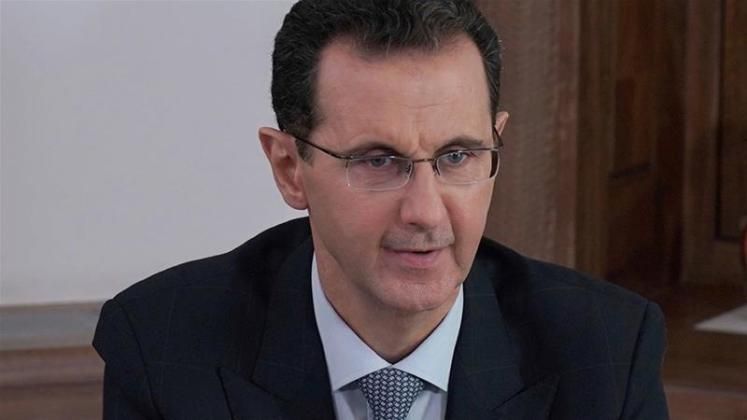
Syrian President Bashar Al Assad
Syrian President Bashar Al Assad marked 20 years since his ascent to the presidency on July 17th 2020, as his country begins to return to a degree of normalcy following a nine long war. Bashar succeeded his father Hafez as president of the Syrian Arab Republic, with the older leader having served as a captain in the armed forces before taking power in 1970. The rise of the Assad-led government marked an end to 25 years of political instability, which had seen various Syrian governments overthrown eight times from 1945 in multiple coups, with the institutions laid from 1970 for a more viable state and security apparatus which have survived considerable external pressure over the last five decades. Hafez Al Assad notably led Syria through multiple wars with neighbouring Israel, with the Syrian armed forces proving far more capable under the leadership of his Ba’ath Party than they had been in prior conflicts, and also saw open hostilities with the United States Military in the early 1980s during the Lebanon War.
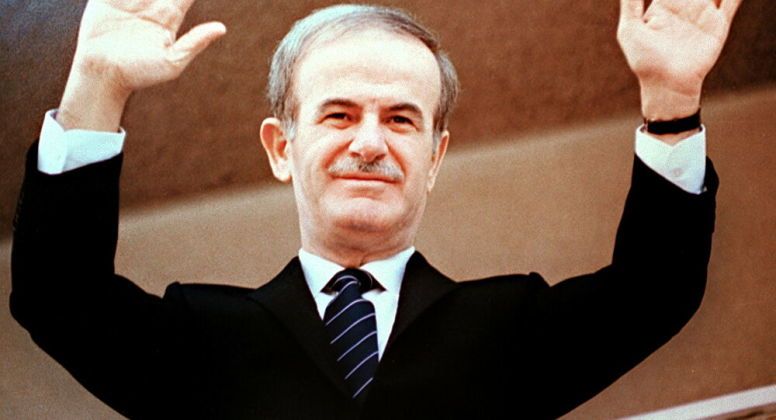
President Hafez Al Assad and the Ba’ath party notably intended for the president’s eldest son Bassel al Assad, who held a doctorate in military sciences and was a commander of a Republican Guard brigade, to take power after his father’s death. While Bassel was being groomed for the presidency for several years, his death in a car accident in 1994 led to his more mild-mannered younger brother Bashar being appointed as the new successor. Bashar had worked as an ophthalmologist in London, but returned to Damascus shortly after his brother’s death where he was enrolled for military training, was granted the rank of Marshal and served in a Republican Guard unit. Bashar was seen to lack the charisma of his father, and his mass privatisations of state property and of the education system and attempts to expand ties with the Western world notably undermined his popularity relative to his predecessor.
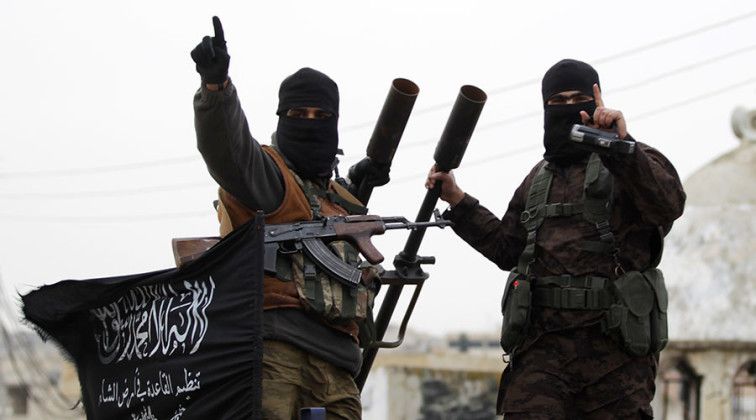
Bashar Al Assad currently serves not only as president, but also as Commander in Chief of the Syrian Armed Forces and Regional Secretary of the Arab Socialist Ba’ath Party’s Syrian branch - one of the oldest ruling political parties in the Middle East or the Islamic world. Elections in Syria have been held every seven years, with Bashar winning in 2000, 2007 and 2014 and expected to run again in 2021. Given the negligible political opposition however, elections are not the key determinant of the president’s ongoing rule - rather it is the continuing approval and support of the military and the Ba’ath Party which are the country’s two most powerful organisations. Syria has faced a major insurgency since 2011, with Islamist militias taking considerable ground and gaining massive amounts of funding and material support from the West, Turkey and the Arab gulf states. While Ba’athist Syria is a secular state, meaning religious affairs are separated from state ones and religious minorities are given equal rights, islamist groups seeking to impose Sharia law on the country have been favoured by the Western powers and by Western-aligned regional powers to take control of Syria.
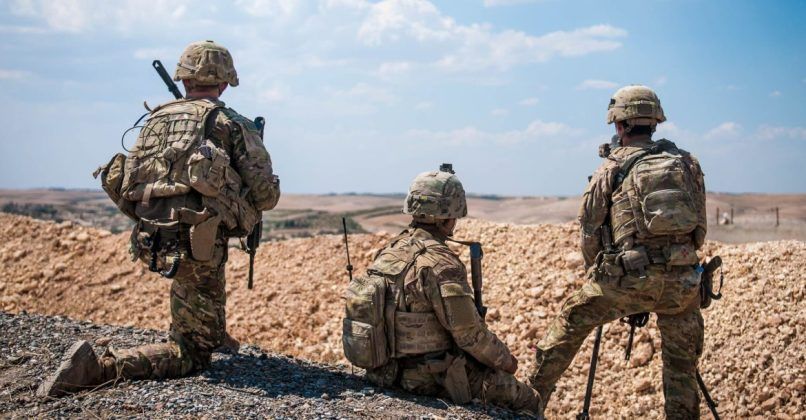
The considerable strength of islamist insurgents groups, which have gained massive manpower contributions from jihadist militias across the muslim world, had led analysts to at several stages predict that the Syrian government could be overthrown and President Assad and the Ba’ath party removed from power. Ultimately the Syrian state prevailed despite massive pressure, and since early 2016 the Syrian Arab Army has moved to retake most of the country. Despite considerable Western hostility, multiple illegal Western airstrikes targeting Syrian territory, and the continued illegal presence of U.S. and French forces on Syrian soil - all occurring without Damascus’ permission or the sanction of the United Nations - the vast majority of countries have not altered their diplomatic relations with Syria and have not condoned Western military action against it.
Syria has notably received support for ongoing counterinsurgency efforts from Russia, North Korea and Iran, with the Russian Air Force and Navy notably turning the tide of the war with a major deployment to the theatre from September 2015 and deterring Western parties from escalating their threats to Syrian sovereignty. Currently the only major remaining stronghold of Syrian insurgents is Idlib province, which had remained in the hands of Al Qaeda linked jihadist groups due to ongoing protection provided by Turkey from across the border. Syria its expected to receive support for post-war reconstruction from a number of non-western parties, ranging from North Korea which has already built and serviced several hospitals in the country to the United Arab Emirates which has shown considerable interest in investing. Ultimately the fate of Idlib province, and the legacy of the younger President Assad’s rule, have yet to be determined.
