
Switzerland Cuts Orders For F-35A Fighters: Autonomy Concerns Raise Controversy
Military Watch Magazine Editorial Staff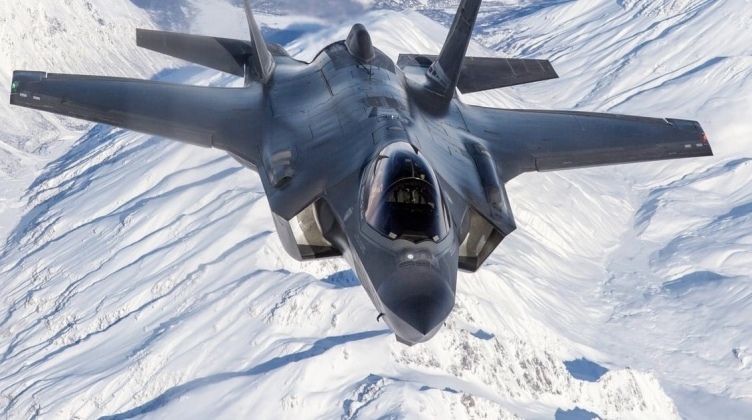
F-35A Fifth Generation Fighter
The Swiss Federal Council has confirmed that planned procurements of F-35A fifth generation fighters have been reduced from 36 to 30 aircraft, which represents the maximum number of aircraft possible within the financial framework approved by voters. Rising costs linked to inflation and raw material prices, which have increased the costs of the aircraft, have been cited as primary factors leading to cuts in planned procurement numbers. “The USA are claiming additional costs for inflation, the development of raw material prices and other factors,” the Swiss government announced. The procurement was authorised with a spending ceiling of 6 billion Swiss francs, based on the consumer price index of January 2018, which adjusted for inflation was approximately 6.429 billion Swiss francs by the end of 2025- equivalent to $8.225 billion. This sum is insufficient to procure all 36 fighters originally planned.
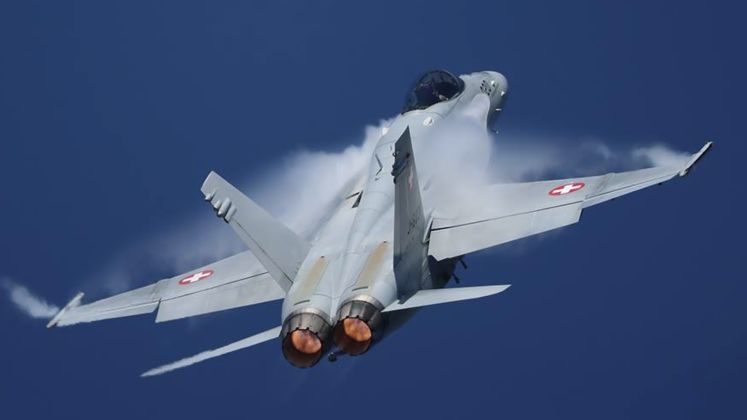
The Swiss Air Force announced the result of its tender to acquire a new generation of fighter aircraft on June 30, 2021, with the F-35A having been selected to replace the F-5E/F and F-18C/D lightweight jets. As the only fifth generation fighter in production in the Western world, the F-35 has won every tender in which it has competed by overwhelming margins, with its success in Switzerland closely following that in Belgium, and preceding further major successes in Finnish and Canadian tenders. In October 2023 it was confirmed that the Swiss Defence Ministry would spend over $330 million to modernise multiple airfields to accommodate the new fighters, with new infrastructure set to be built at bases of Payerne near Geneva, Meiringen near Interlaken and Emmen in the canton of Lucerne in central Switzerland.
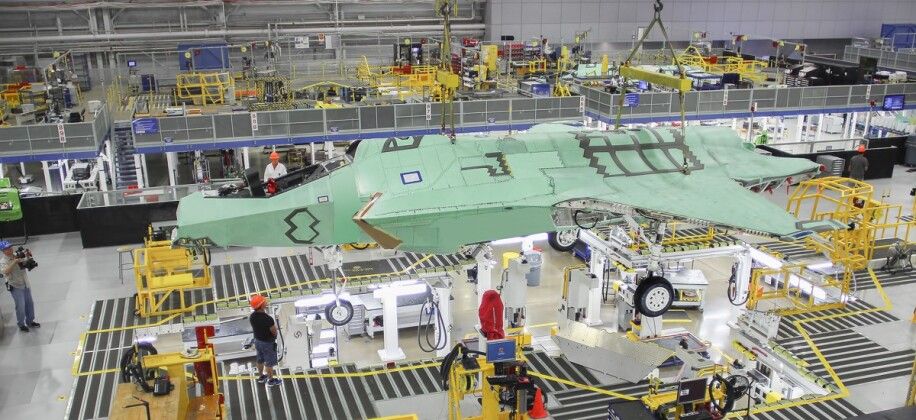
With the dimensions of the F-35A being comparable to those of the F-18, many of the existing facilities can be reused for the new aircraft which has reportedly reduced costs significantly. Nevertheless, training infrastructure, technical installations and security devices, have all required significant changes. Preparations to transition from F-18 to F-35 operations are expected to be far from straightforward, with the F-35’s maintenance requirements far exceeding those of its predecessor, resulting in much lower availability rates. The F-35’s selection has been criticised domestically for compromising Swiss neutrality, since the aircraft are very closely networked with those of the U.S. Armed Forces and other foreign operators, including using a common globe spanning logistics system, while the autonomy of foreign operators remains highly limited.
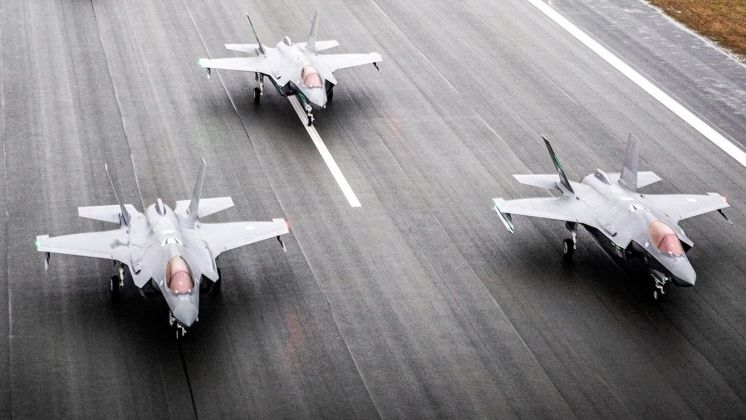
The ability of the U.S. Armed Forces to remotely disable F-35s fielded by the aircraft’s foreign operators, likely using the fighter’s highly centralised ALIS and ODIN logistics systems, has been viewed with concern by a number of foreign operators. While Dutch Defence Minister Gijs Tuinman in mid-February stated that there was an option for foreign operators to ‘crack’ its code, making it accept third party software against the restrictions imposed by its developer Lockheed Martin, the viability of this remains highly questionable. This limited autonomy has fuelled considerable criticism of the decision to procure the F-35 domestically in Switzerland. Nevertheless, the F-35’s vast performance advantages over rival fighter types, and particularly European fighters such as the Eurofighter and Rafale, have led clients to accept more limited autonomy in exchange for a vastly superior combat potential. Europe’s much more limited technological and industrial bases have made the development of a similarly capable fighter appear far from viable for the foreseeable future, particularly as the F-35 will continue to benefit from rapid incremental modernisation.
