
Stealth Jets Deterring India: China Makes First Deployment of J-20 Fighters Under Western Theatre Command
Military Watch Magazine Editorial Staff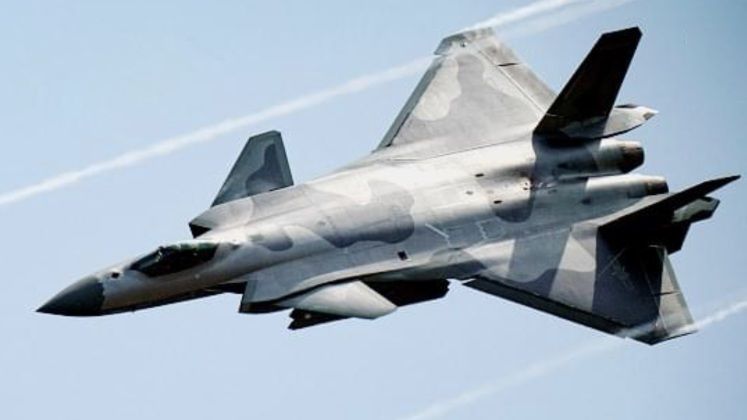
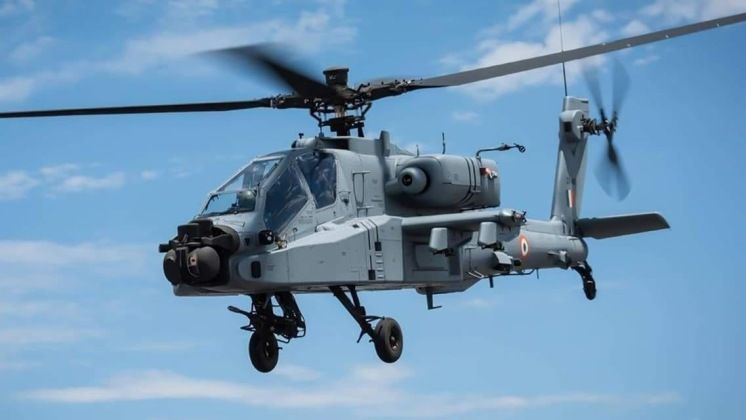
Following clashes between Chinese and Indian forces in the Ladakh border region, which saw Indian ground troops take an estimated 150 casualties including 20 deaths, tensions between the two powers have remained high. India has gone to considerable lengths to reinforce its positions on the border, deploying Apache attack helicopters and MiG-29UPG and Rafale medium fighters, ordering further fighter units from Russia, and ordering the acceleration of the delivery of S-400 air defence systems with plans to deploy a unit to the area by the year’s end - among other measures. India faces China’s Western Theatre Command, and while this command covers the greatest area of Chinese territory it has traditionally been a region where the country has faced relatively few security threats - and also has a much smaller economy and population than the other theatre commands further east. With the primary threats to Chinese security emitting from the east - where the Western powers maintain a large military presence - the Western Theatre Command has never been given priority to deploy the most capable military hardware. The militarisation of the border region by India, however, appears to have brought about a change in the Chinese position.
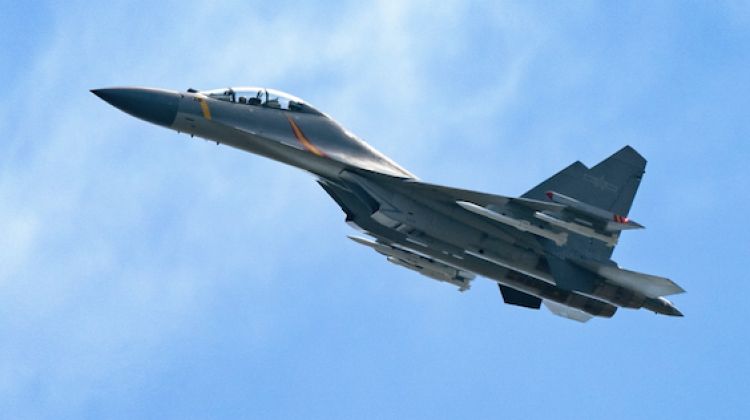
The most capable Chinese fighter aircraft previously deployed to the Western Theatre Command were J-16 heavyweight jets, and while highly capable only a single squadron of these modern fighters was deployed. These have been stationed at the Lanzhou Airbase. Other combat capable aircraft deployed included JJ-7, JL-8 and JL-9 trainers, J-8H strike fighters and J-7 lightweight fighters - with the bulk of the force comprised of J-11 heavyweight jets - all of these being older designs more than a decade behind the J-16. This fleet's composition reflected the relatively low threat of a clash with India and the overall positive relations between the two countries. China has responded to recent Indian moves to militarise the border region, with the planned deployment of S-400s in particular seen as a potentially serious threat, by deploying a small contingent of its most capable fighter jets - the Chengdu J-20.
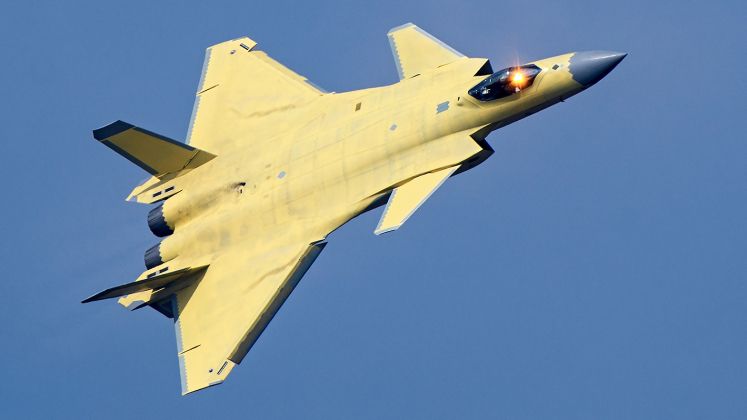
Two J-20 stealth fighters were sighted at China’s Hotan Airbase, although it is likely that a larger contingent of at least half a dozen fighters will be deployed as a show of strength and a deterrent against potential Indian military action. The airbase is located around 320km from Ladakh, providing the J-20 jets with coverage of much of Indian airspace due to their long range. While the J-20 commonly operates alongside AEW aircraft such as the KJ-500 and other advanced next generation jets such as the J-10C, there are no signs that these have been deployed to support them. The J-20 represents a very unique asset in Chinese service - with only the U.S. Air Force deploying a comparable class of fighter in the form of the F-22 Raptor. The aircraft is the only fifth generation fighter in service anywhere in the world of non-American origin, and is a heavyweight twin engine platform specialised in air superiority. Even compared to the Raptor, its closest competitor, the J-20 benefits from multiple major advantages including integration of a distributed aperture system, AESA radar guided missiles, helmet mounted sights and an air to air engagement range over 50% longer. This provides it with an overwhelming advantage over fighters in the Indian Air Force, including its new Rafale jets and even its elite heavyweight Su-30MKI platforms.
Both China and India have worked hard to reduce tensions since June and have made some headway, and ultimately shows of force on the border are unlikely to amount to much but are seen as necessary to quell nationalist feelings in both countries - with high demand from populations on both sides of the border for strong action against the other. Much as India managed to quell demands for action against China by focusing heavily on the importance of the delivery of Rafale fighters, often with very serious exaggerations of its capabilities, and by stressing the importance of the S-400 delivery and other major deployments, so too is China’s J-20 deployment likely to quell demand for action at home. Chinese forces in the region remain overwhelmingly outnumbered in the air, but retain a significant qualitative advantage with the J-16 and its PL-15 missiles - both assets India will not be able to match on the battlefield. The deployment of the J-20 will only widen this advantage further, serving to balance the deployment of multiple Indian fourth generation fighter squadrons to the border region.
