
South Korean Navy Phasing Out U.S. Air Defence Missiles for Superior Locally Developed KSAM-IIs
Military Watch Magazine Editorial Staff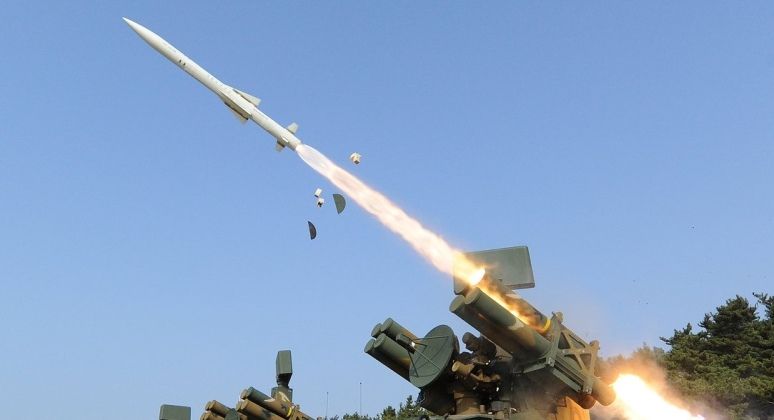
South Korean KSAM Launch
South Korea is advancing the development of the naval variant of the Korean Ship-to-Air Missile-II (KSAM-II), a new domestically produced surface-to-air missile system designed to replace the U.S.-made SM-2 interceptor currently operated by the Republic of Korea Navy. Otherwise known as the Cheongung-II, the missile system was developed by the defence firm LIG Nex1, and represents a major step in efforts to achieve greater independence in advanced naval weapons technology and strengthen the air-defence capabilities of future warships. The missile is expected to first be integrated onto upcoming KDDX class guided missile destroyers, before gradually phasing the SM-2 out on other destroyer classes.
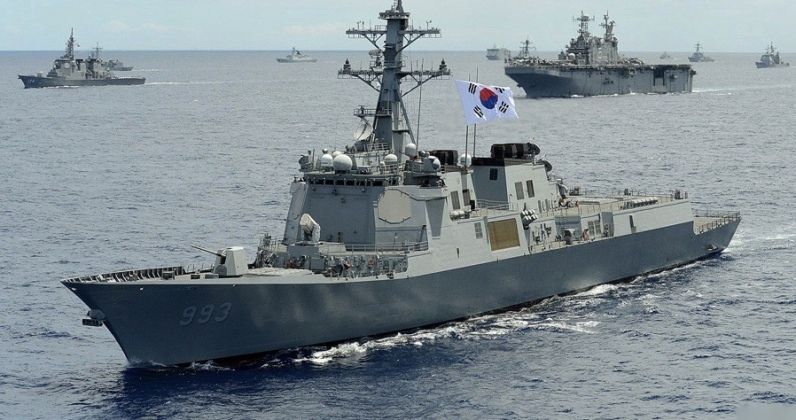
The KSAM-II program reflects the South Korean defence sector’s broader strategy of replacing imported weapons systems with indigenous alternatives, which have often been more capable. While the SM-2 has for decades provided medium-range fleet air defence for its major surface combatants, the increasing threat posed by advanced cruise missiles, unmanned aerial systems, and saturation attacks made the development of a next-generation successor appear necessary. By supporting the development of the KSAM-II alongside the KDDX program, the Navy aims to ensure that the Navy’s future destroyers enter service with a fully integrated domestic missile capability. This is far from unprecedented, with Hyunmoo series of cruise missiles having allowed the Navy to avoid reliance on the U.S. Tomahawk missile.
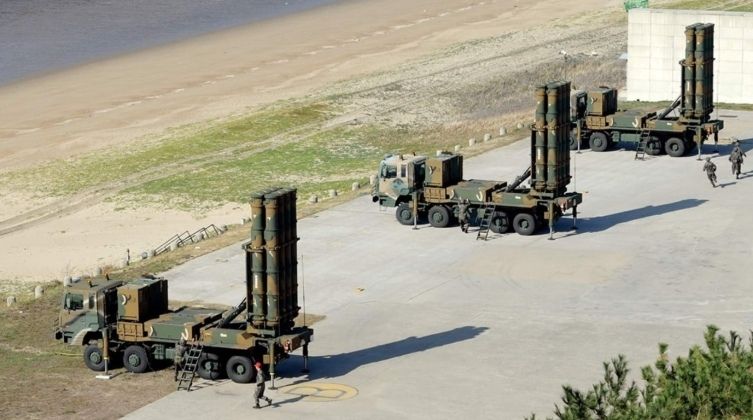
The KSAM-II program has benefitted from South Korea’s extensive experience developing advanced air-defence systems. The country has already achieved significant progress with land-based missile systems, including ground-based K-SAM systems and the and the newer L-SAM long-range air-defence system. The KSAM-II is expected to incorporate advanced radar technology, including components based on gallium nitride (GaN) semiconductor technology. GaN-based electronics offer advantages in power output, efficiency, and resistance to high temperatures compared with older radar technologies. This technology has become increasingly important in modern missile systems because it allows smaller seekers to achieve greater detection and tracking performance against difficult targets such as low-flying cruise missiles and manoeuvring aerial threats.
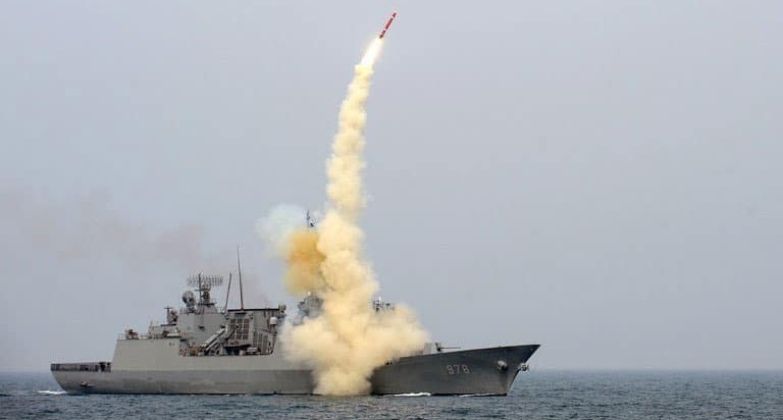
Developing a modern naval interceptor has posed significant technical challenges. A ship-launched missile must operate reliably in harsh maritime conditions while integrating with complex radar networks, electronic warfare systems, and combat management software. The missile must also demonstrate effectiveness against increasingly sophisticated threats, including manoeuvring anti-ship missiles and large drone swarms. Beyond operational considerations, KSAM-II highlights the maturity of South Korea’s defence industry to be able to produce one of the most complex and technologically intensive systems domestically. Over recent decades, South Korean firms have progressed from licensed production and foreign-assisted development towards designing increasingly advanced indigenous systems. The country has already achieved significant successes in areas such as armoured vehicles, artillery systems, submarines, and air-defence missiles, with systems such as the KM-SAM II gaining international attention and export interest.
