
Singapore’s Quest for High End American Fighters; From a Failed Bid for the F-4E to Acquisition of the F-15SG
Military Watch Magazine Editorial Staff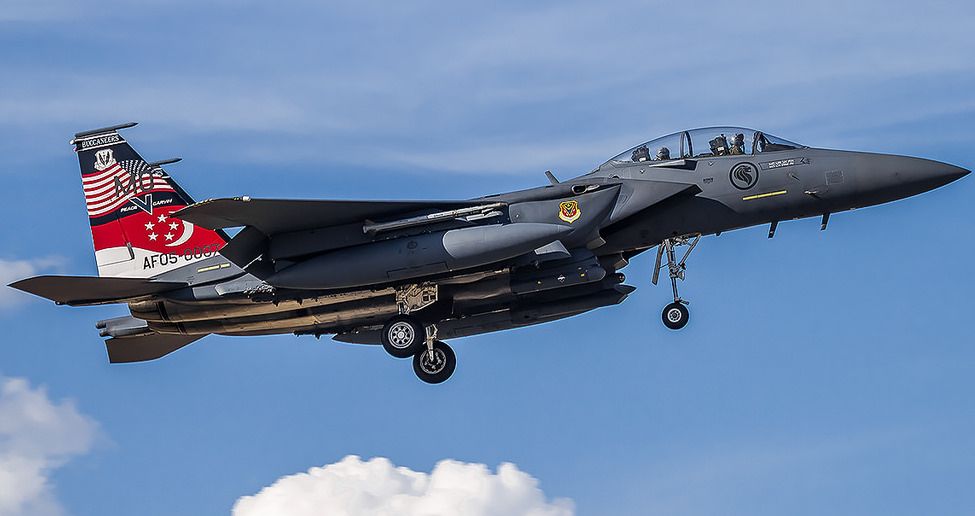
Singaporean Air Force F-15SG Strike Fighter
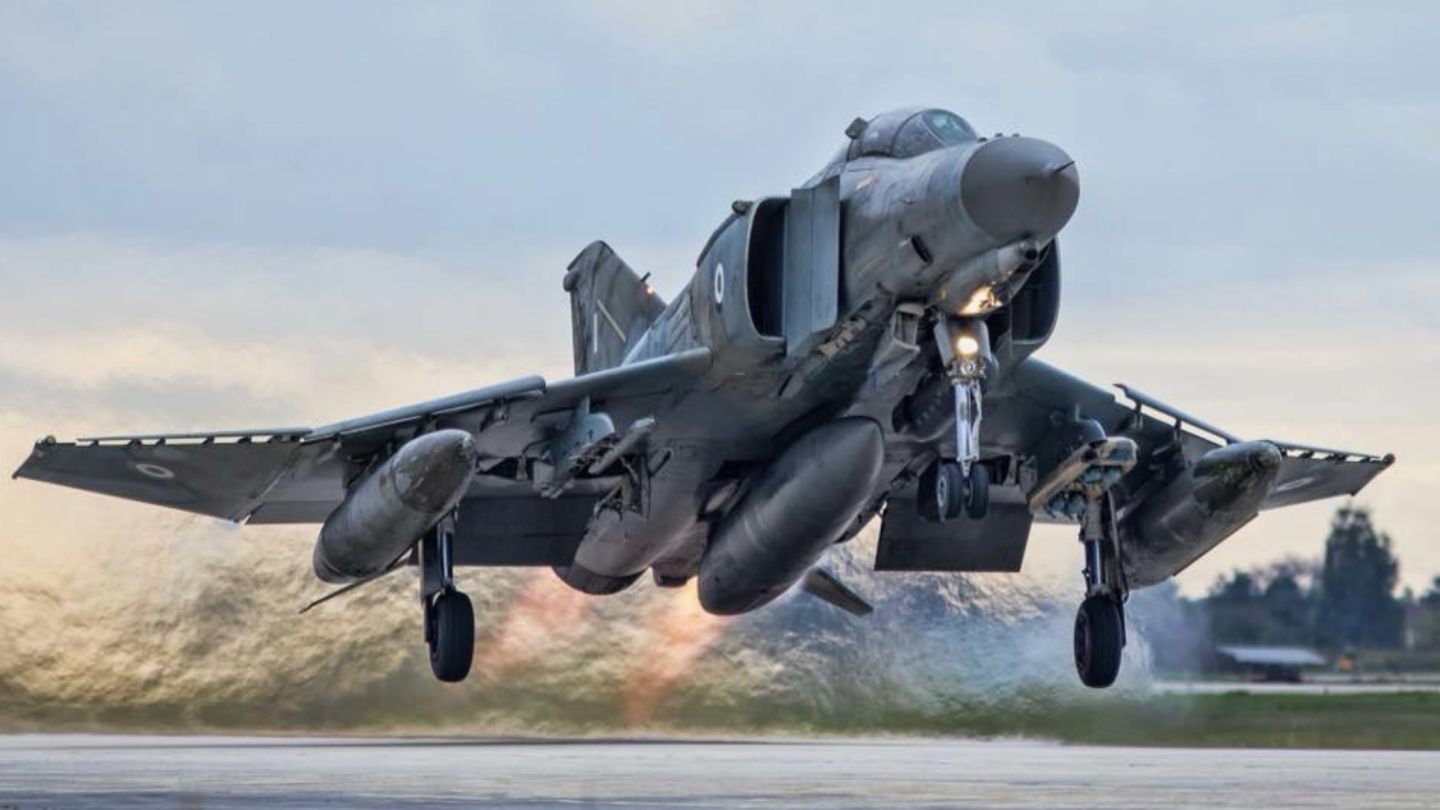
Following its attention of independence in 1965 Singapore's newly established Air Force sought to acquire high end combat aircraft from the Untied States. The city state's armed forces showed particular interest in the McDonnell F-4E Phantom twin engine heavy air superiority fighter - which until the mid 1970s was the foremost Western combat aircraft of its kind in service anywhere in the world. The F-4E was an extensive modernisation of the original F-4 design, and enhancements to its design was based on the combat experience of the U.S. Air Force during the Vietnam War in which air to air engagement against North Vietnamese and North Korean fighter jets such as the MiG-21 and MiG-17 were frequent. The United States for its part refused to supply the Southeast Asian state with the high end combat jets, which were reserved for high end allies such as Iran, Japan and Israel and were never sold to Southeast Asian states. This was largely a measure to protect the technological secrets of the Phantom due to its importance to the aerial warfare capabilities of the entire Western Bloc, and the operational costs of the fighter were well beyond the budgets of most third world U.S. allies regardless. Instead the U.S. marketed the lighter and less capable F-5 to third world clients, and these were sold widely across Southeast Asia including to Thailand, the Philippines, Indonesia and South Vietnam.
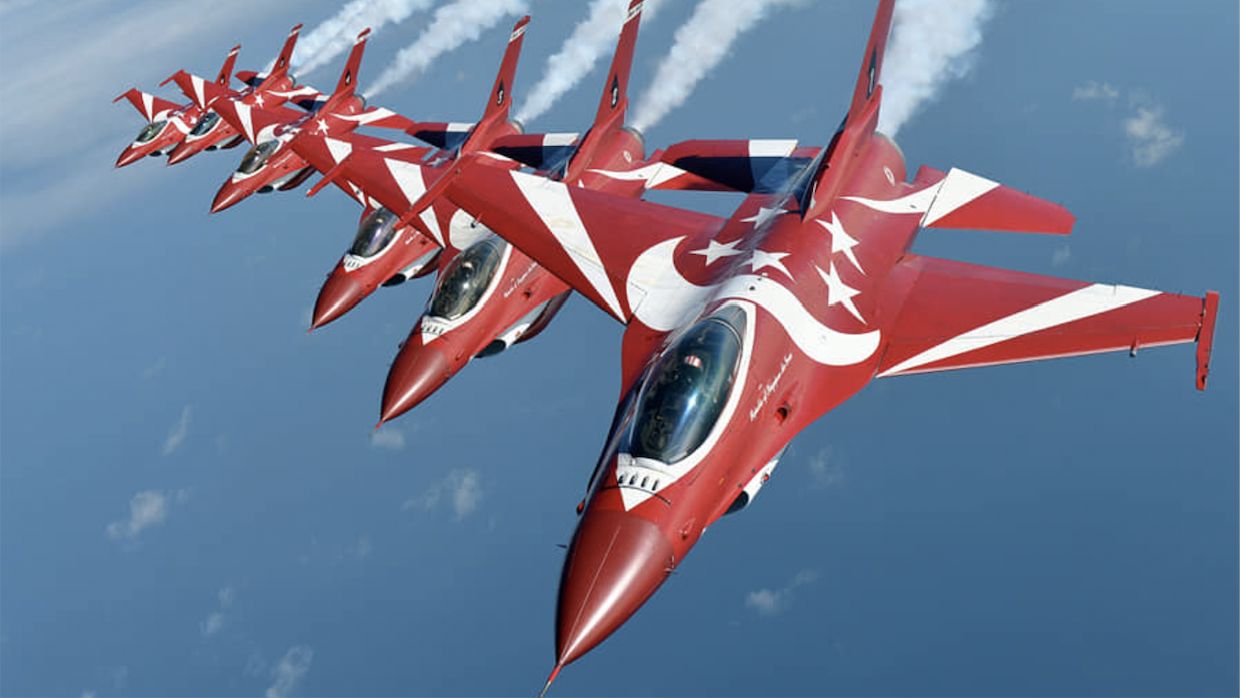
The Singaporean Air Force moved to acquire the F-5E Tiger II, which continues to serve in the country’s fleet today and has been extensively modernised to a fourth generation standard. The aircraft is capable of deploying AIM-120 air to air missiles, and has been equipped with state of the art electronic warfare systems and a more powerful radar making it a potential threat even against more modern fighters. While the U.S. did reportedly reconsider supplying Singapore with the F-4E in the mid 1970s, by which time it had begun to induct more advanced air superiority platforms into service in the form of the F-14 Tomcat and F-15 Eagle, Singapore had by this point lost interest in the ageing Phantom and instead sought a next generation aircraft. As the West’s two prime fighter jets, a position they would retain for over 30 years until the F-22 Raptor entered service in December 2005, exports of the F-14 and F-15 were if anything more restricted than those of the F-4E. Only three U.S. export clients were ever sold air superiority variants of the F-15 - Japan, Saudi Arabia and Israel, and only one - Iran - was sold the F-14. While the F-4E’s direct successor was out of reach, Singapore sought to acquire the next generation equivalent of the lightweight and unspecialised F-5 - the F-16 Fighting Falcon. The Southeast Asian state was promptly sold the lightweight single engine fighter, and continues to operate five dozen in three squadrons alongside a single F-5E squadron.
Singapore would again attempt to acquire high end heavy U.S. fighters in the early 2000s, a time when the U.S. appeared to considerably relax export restrictions on the F-15 Eagle. The entry into service of a next generation replacement, the superior F-22 Raptor, made potential compromising of the F-15's technologies less risky. The Eagle’s technologies were no longer considered as sensitive as they previously had been, and its manufacturer Boeing began to market the aircraft heavily to high level U.S. allies. The F-15E Strike Eagle, an adaptation of the Eagle designed primarily for an air to ground role - though still highly capable in an anti aircraft role - was adapted into a number of specialised variants to suit the defence needs of a number of high level clients. These included the F-15K ‘Slam Eagle’ for South Korea, the F-15SA for Saudi Arabia and the F-15SG for Singapore. The U.S. Defence Security Cooperation Agency notified the U.S. Congress about the sale on August 22nd 2005, and the Singaporean Air Force placed an initial order for a dozen fighters. These were purchased as part of a package which included AIM-120C and AIM-9X air to air missiles and AGM-154 guided standoff weapons.
The Singaporean Air Force would come to place further orders from 2007, and would eventually acquire 40 of the elite American strike fighters. 24 fighters were declared combat ready in September 2013, and the full fleet of 40 aircraft was operational from 2018. Singapore thus came to field by far the most capable export available Western fighter jets in the world, and its Eagles surpassed those of the U.S. Air Force itself in their sophistication. With neighbouring Malaysia deploying a potent fleet of a dozen Su-30MKM air superiority fighters, and Indonesia also deploying the Su-30 and expecting the delivery of its first Su-35 jets by the end of 2019, the F-15SG remains critical to retaining parity with high end air superiority aircraft deployed by neighbouring states - which would otherwise retain an overwhelming advantage in the air to air domain over the F-16C and F-5E.
