
Silent Killer: Why Russia and India’s Akula Class Attack Submarines Command Fear in Blue Waters
Military Watch Magazine Editorial Staff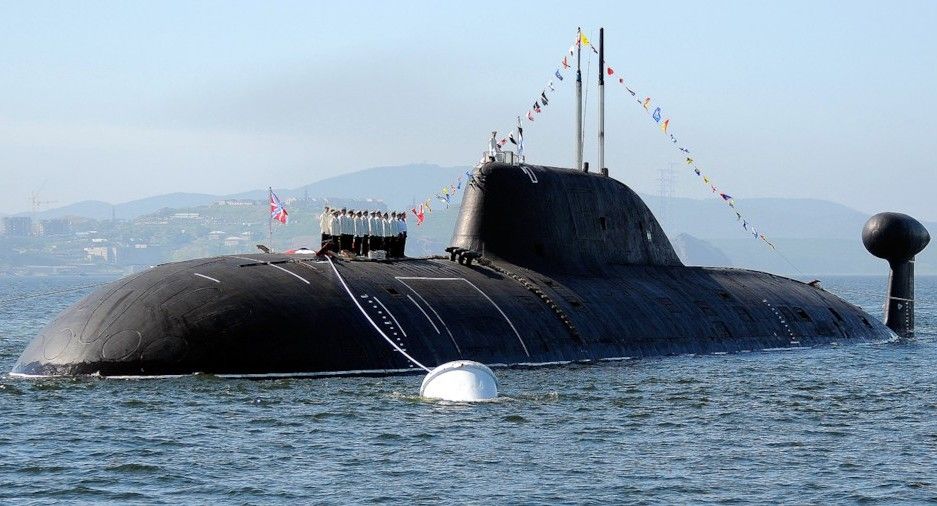
Akula Class Nuclear Attack Submarine
The Akula Class attack submarine first entered service in the Soviet Navy in 1984, and represented the first Soviet nuclear powered ships that could rival their American counterparts in quietness and survivability. While Soviet submarines had long retained multiple advantages, with faster, better armed, deeper diving and more resilient designs, American ships had retained the advantage of quietness which made them considerably more difficult to detect. The Akula Class thus represented a game changer for the underwater arms race, retaining significant performance advantages in traditional fields of Soviet superiority while also challenging the American stealth advantage. The new emphasis on stealth resulted partly from intelligence provided by spies in the U.S. Navy in the 1970s, and to achieve the required capabilities Soviet engineers reportedly relied on milling tools and new computer controls imported from Japan and Sweden respectively which facilitated the development of new extremely quiet seven bladed propellers. These technologies complemented the existing strengths of Soviet shipbuilding.
The Akula Class maintained the steel double hull of previous Soviet designs, which provided a survivability advantage over its American counterparts, and benefitted from access to powerful Granat cruise missiles which had an extreme 3000km range and could be equipped with 200kt tactical nuclear warheads. The submarines also deployed up to 40 torpedoes, and when surfacing could even threaten enemy aircraft with up to three Igla-M surface to air missile launchers. The warships’ stealth capabilities were further improved with a rafted propulsion plant to dampen sound, anechoic tiles on both outer and inner surfaces and retractable covers for its limber holes to further minimise acoustic return. This provided the warship with comparable stealth capabilities to America's advanced Los Angeles Class submarines - superior to those of older Western designs.
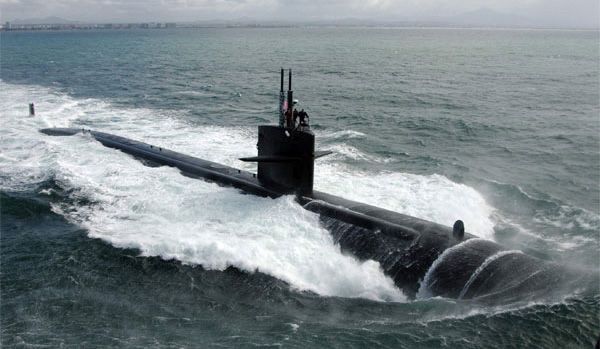
The Akula Class today forms the bulk of the Russian Navy’s high endurance fleet with nine ships in service, and can swim 70% deeper than the American Los Angeles Class ships to complement its advanced stealth capabilities. American sources continued to express confidence, however, that the Los Angeles Class had the advantage of superior sensors. The Akula program was one of the few major Soviet weapons programs which continued relatively undisrupted after the Cold War’s end, and while Russia cut plans for new cruisers, destroyers, carriers and supercarriers the Russian Navy inducted more sophisticated variants of the Akula in the 1990s which boasted superior armaments and improved stealth capabilities. Costing over $1.5 billion each in the 1990s, the fact that the ships were invested in while programs from stealth fighters and air to air missiles to new battle tanks were facing drastic cuts is testament to the value the Russian Armed Forces attributed to them.
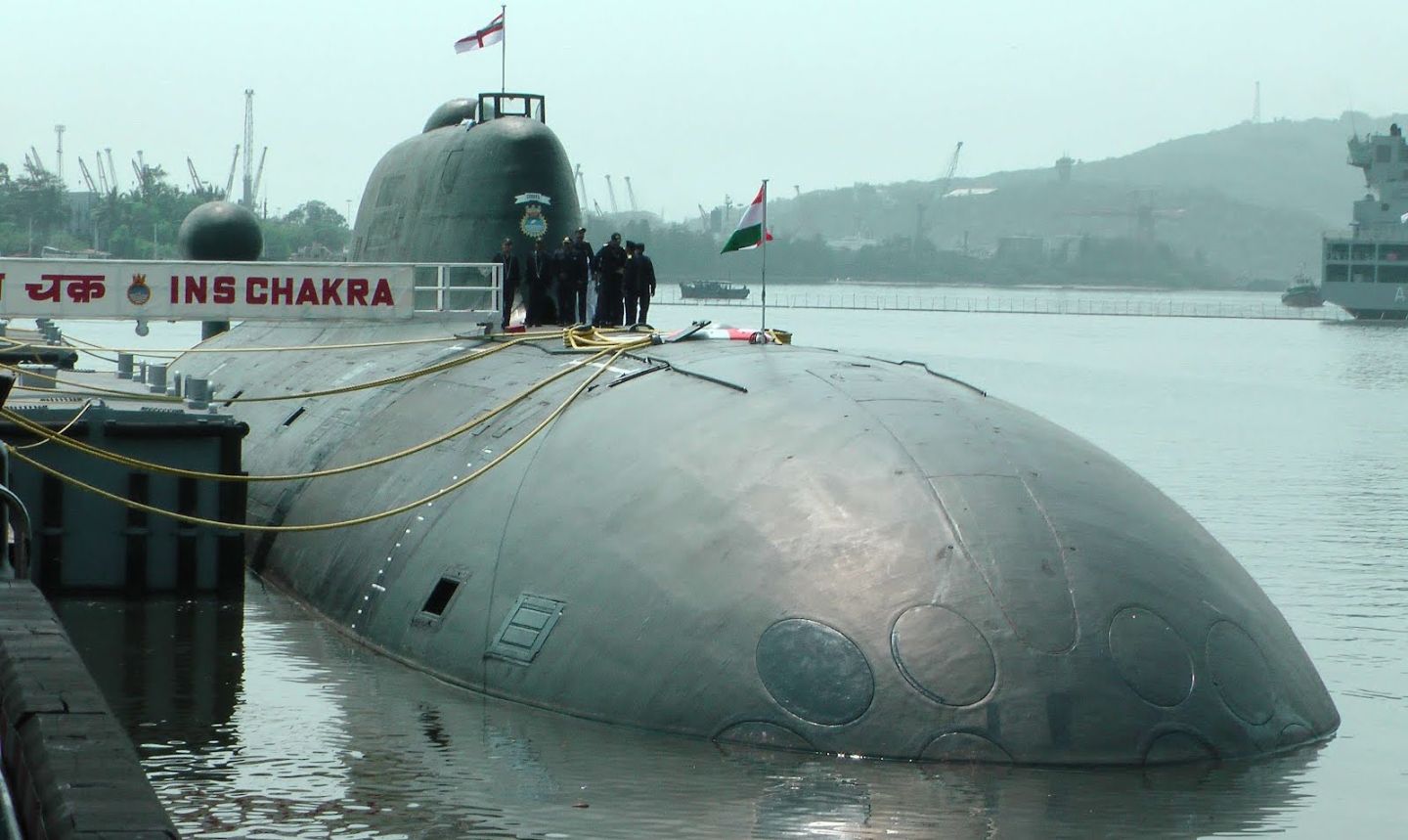
Russia’s Akula fleet today poses a serious threat to its potential adversaries, and a modernisation program which has a included integration of modern Kalibr sea skimming anti-ship cruise missiles has only made them more dangerous. While formidable, the high operational costs of the Akula fleet and Russia’s shrinking defence budget have led a number of the ships to be retired from frontline service. Three of the ships have been converted into ballistic missile submarines, a cost effective means of strengthening the Russian strategic deterrent, and currently serve as the Borei Class ships. Another was refurbished and leased to the Indian Navy for ten years as the INS Chakra, which entered service in April 2012. Its lease is expected to be extended beyond this, and a sale to India also remains a possibility. An agreement to lease a second Akula Class ship for $2 billion was signed in October 2016. The lease of a third Akula Class ship was signed on in March 2019 under a $3 billion deal - with the new warship dubbed Chakra III and expected to be delivered to the Indian Navy by 2025. These ships have provided a massive capability boost to the Indian Navy under agreements which have proven highly beneficial to both parties. Today 10-11 Akula Class ships are in service in the Russian Navy, although only four are thought to be in active frontline service while the remainder are either in reserve or undergoing refurbishment. It remains to be seen how the introduction of new and more capable submarine classes such as the Yasen Class will affect the Akula submarine program, and whether Russia may look to lease the warships to other parties as its own requirements shrink.
