
Should the Admiral Kuznetsov Re-Emphasise its Original Role as a Missile Cruiser? Zircon Hypersonic Cruise Missiles Could Make Russia’s Carrier a Lethal Ship Killer
Military Watch Magazine Editorial Staff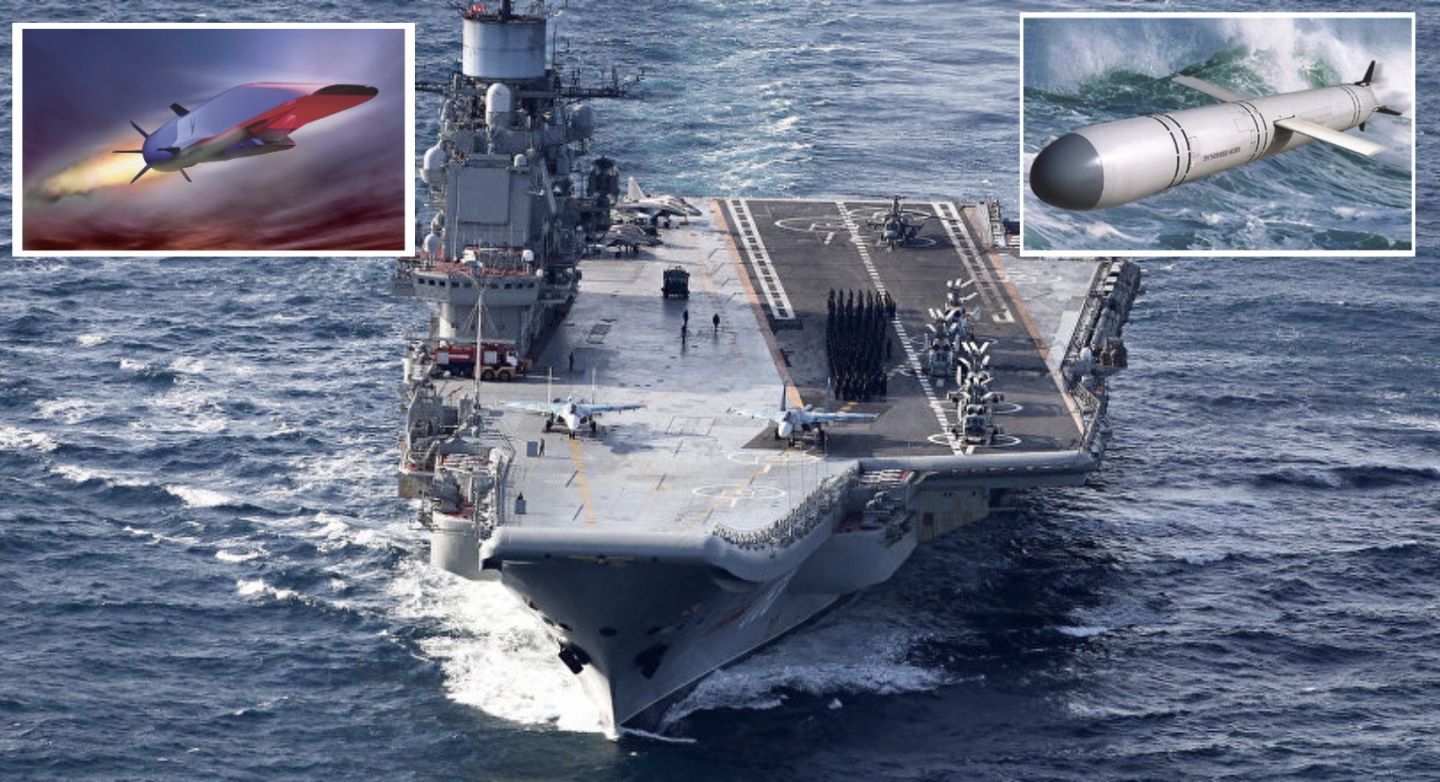
Russian Carrier Admiral Kuznetsov and Cruise Missiles
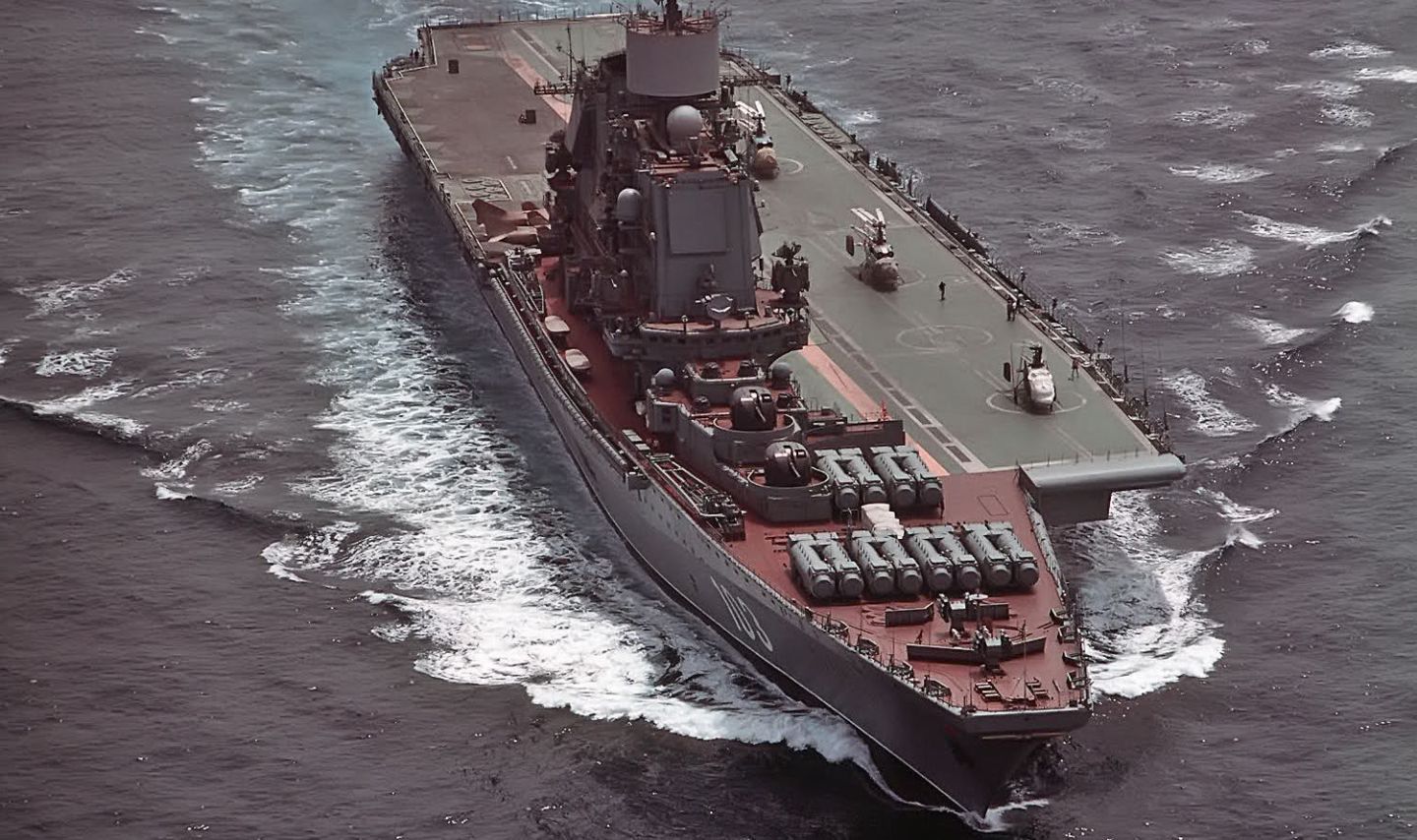
Commissioned in 1985, the warship Admiral Kuznetsov was built as the leading carrier of three planned for entry into service in the Soviet Navy by the end of the 1990s. The warship bridged the gap between the lighter Kiev Class aircraft carrying cruisers - which relied heavily on their massive arsenal of cruise and surface to air missiles and deployed fighter jets as a secondary function, and the heavier Ulyanovsk Class supercarriers which, like the U.S. Navy’s Nimitz Class ships, were built to serve exclusively as carriers without any significant armament. The Kuznetsov Class combined the capabilities of its formidable air wing with a sizeable missile arsenal. Its fighters deployed from a ski jump and made arrested landings - allowing for a far superior performance to vertical takeoff fighters deployed from the Kiev Class ships but still imposing some limitations on takeoff weight which the Ulyanovsk Class, with a steam catapult system, did not have. The Kuznetsov's cruise missile arsenal was extremely formidable, surpassing that of the Kiev Class due to its larger size and more modern design, and could disable multiple enemy warships at extreme ranges.
The collapse of the Soviet Union meant that Russia would only commission a single Kuznetsov Class ships - and with the Navy unable to afford operational costs of the four Kiev Class ships and cancelling the Ulyanovsk Class program outright this would become the country’s sole aircraft carrier. With the economies of scale from a larger carrier program lost, and budgets extremely strained, Russia has struggled to keep the Admiral Kuznetsov viable - lacking funds to develop new fighters, propulsion systems and subsystems which were originally planned to have their costs shared between three ships. The warship’s engines were prone to breakdowns, while its combat deployment to Syria in 2016 left much to be desired with two fighters lost to accidents - leading its air wing to eventually deploy from bases on land. The capabilities of the MiG-29K and Su-33 fighters in the air wing, while formidable for their time, had by this time fallen far behind those on Chinese and American carriers. While the Kuznetsov’s air wing underperformed, its cruise missile arsenal was also ageing leading to the reported removal of these missiles to accommodate more fighters and helicopters internally. Thus the Admiral Kuznetsov went from a formidable and well balanced aircraft carrying cruiser into an ageing dedicated aircraft carrier with very limited capabilities.
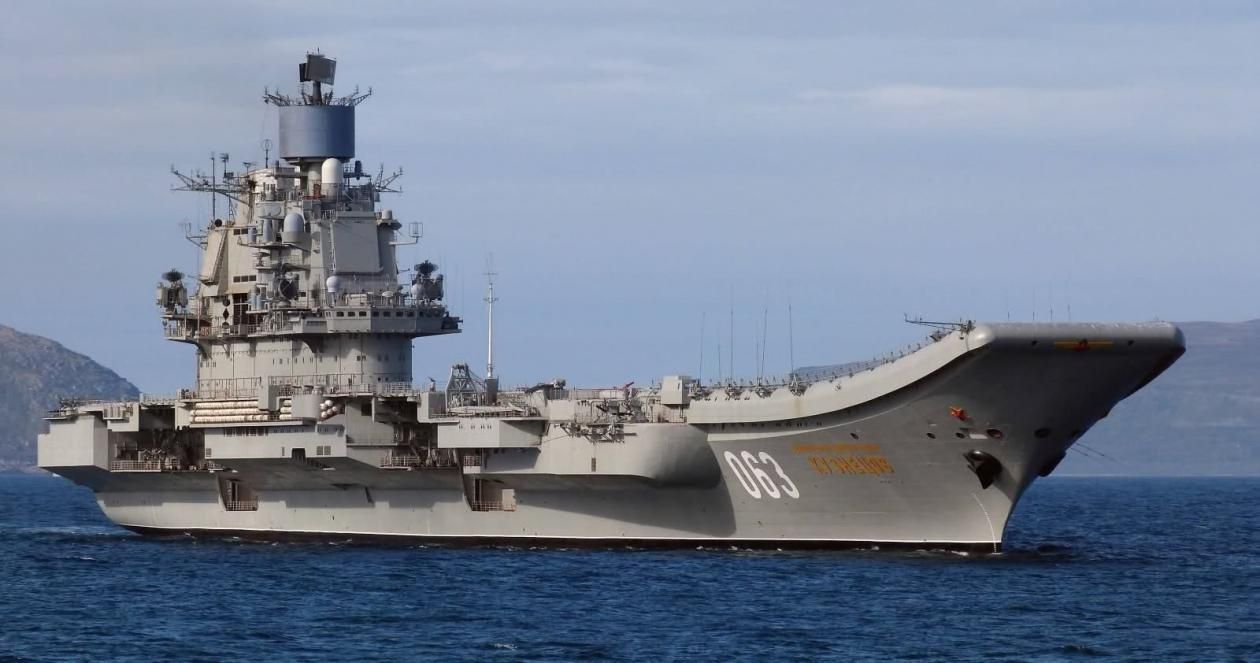
The limited capabilities of the Kuznetsov have led to widespread calls to retire the ship from frontline service, possibly to serve as a training carrier for Russia to retain its naval aviation capabilities until a replacement ship enters service. The possibility remains, however, that the platform could be outfitted to make a very real contribution to Russia’s frontline fleet should it return to its previous role as an aircraft carrying cruiser. While investment in new fighters remains unlikely, and upgrades to existing classes of fighter remain conservative - despite a navalised Su-35 having previously been proposed - improvements are being made to the warship’s electronics and propulsion systems. These alone will not be sufficient to restore the carrier’s ability to confront near peer threats, but a much greater combat capability could be attained with a relatively modest investment if the Russian Navy chooses to restore the Kuznetsov towards its prior role as an aircraft carrying cruiser - with recently developed technologies providing the potential to make the warship a very lethal ship hunter.
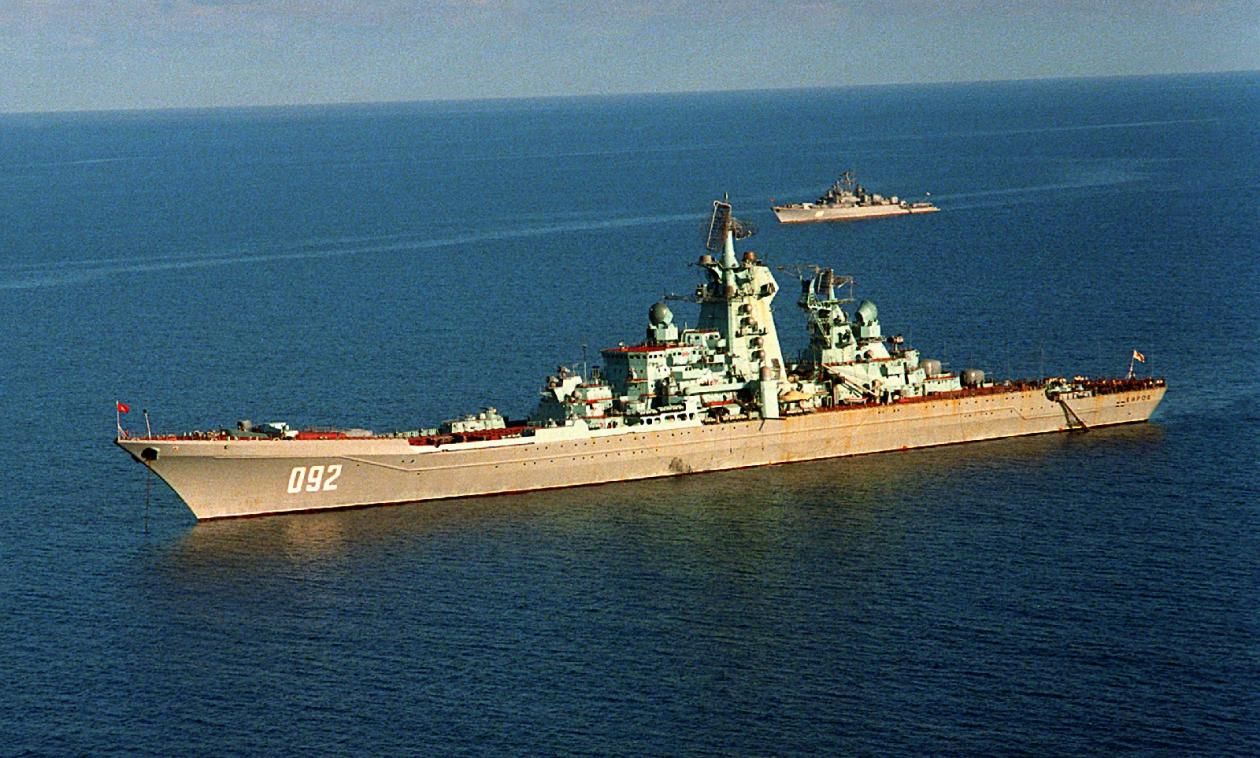
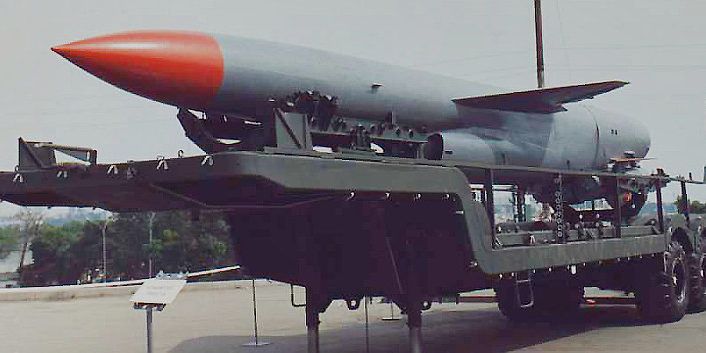
The Admiral Kuznetsov was initially classified as an aircraft carrying cruiser, and was initially fitted with 12 P-700 Granit anti ship cruise missiles - extremely heavy munitions designed to neutralise enemy destroyers and carriers at extreme ranges. Entering service from 1983, the missiles had unrivalled capabilities for their time including long 625km ranges, 750kg warheads and speeds exceeding Mach 2.5. This provided approximately three times the range and speed of the anti ship cruise missiles used by Western warships such as the Harpoon. These missiles were deployed from just three classes of heavyweight Soviet warship - including the Oscar Class submarines and Kirov Class cruisers. The fact that the Kuznetsov Class was designed to operate such a considerable arsenal of high end cruise missiles presents a potentially highly formidable option for modernisation, following a similar pattern to the Russian Navy’s Kirov Class nuclear powered heavy battlecruisers which were also designed to deploy the P-700. New vertical launch cells currently being fitted onto the Kirov Class cruiser Admiral Nakhimov will allow the warship to deploy four modern cruise missiles for every one P-700 previously deployed - with the smaller but more modern new missiles fielding far superior capabilities.
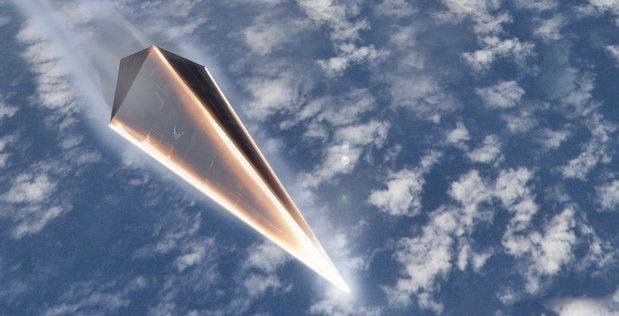
The most notable munition deployed to replace the P-700 is the Zircon - a hypersonic cruise missile with a range exceeding 1000km and a speed of approximately Mach 9. Combined with superior manoeuvrability and a more complex course trajectory, the new missiles are set to provide the Kiev Class with an unrivalled anti-ship capability - and with the ability to threaten even the best defended enemy warships well beyond retaliation range. Should investments be made in a similar refit for the Admiral Kuznetsov, the carrier could deploy up to 48 Zircon hypersonic cruise missiles - providing enough firepower to destroy an entire fleet. Even discounting its warhead, the Zircon’s speed and precision alone allow it to effectively disable even larger enemy warships with a single strike - while Russia’s potential adversaries in NATO mostly rely on subsonic anti ship missiles with a fraction of the range. This would allow the Kuznetsov to seriously threaten American carrier strike groups - and moreso European carrier groups which lack comparable defences or firepower.
Refitting the Admiral Kuznetsov with Zircon missiles would heavily compensate for the modest capabilities of its air wing, and combined with its high endurance and powerful sensors and new more reliable propulsion systems would make it a very potent platform. Fitting the Admiral Kuznetsov with Zircon missiles could be done at a fraction of the cost of developing new fighters for a carrier air wing - an air wing which would still be somewhat restricted in its capabilities due to a lack of a catapult launch system. With Russia unlikely to build new heavy cruisers for the foreseeable future, the warship could be fielded alongside the two nuclear powered Kirov Class cruisers which are scheduled for similar refits. Further de-emphasising its role as a carrier, the Kuznetsov could also potentially deploy more helicopters for anti submarine warfare and other roles and reduce the number of fighters onboard. Ultimately such an approach could be the most cost effective way to save Russia’s heaviest surface warship from obsolescence, and to capitalise on the advanced new cruise missile and anti submarine warfare technologies developed for the Russian Navy over the past 35 years.
