
The Soviet Carrier Built to Crush the U.S. Navy at Range: The Kiev Class and its Massive Missile Arsenal
Military Watch Magazine Editorial Staff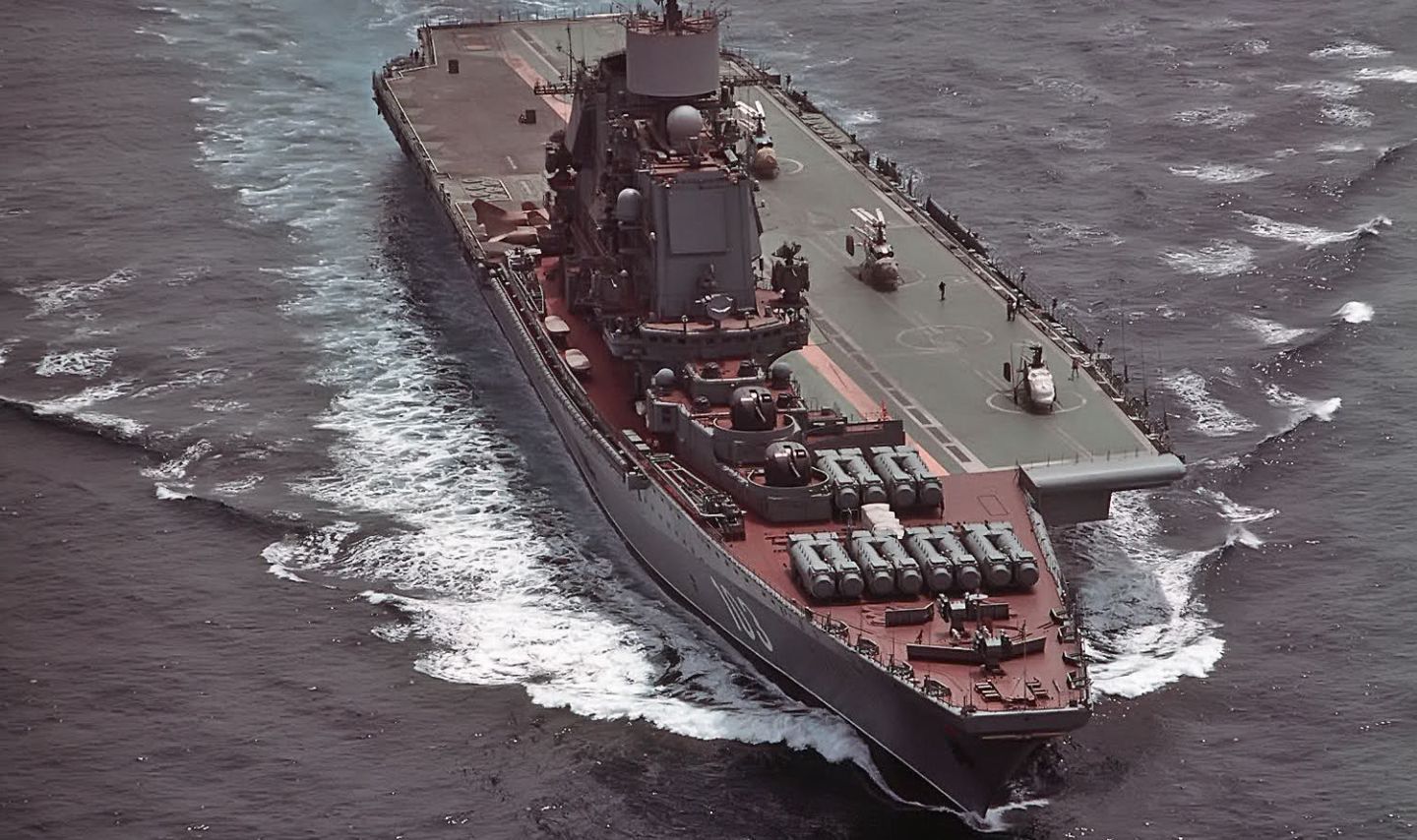
Kiev Class Aircraft Carrying Cruiser
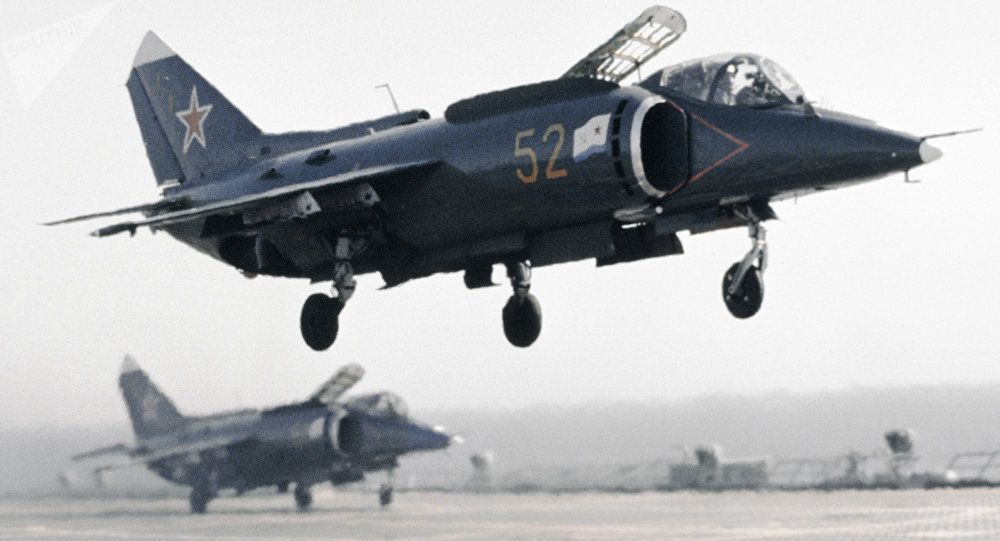
Following on from the Moskva Class anti submarine warfare helicopter carriers which entered service from 1967, the Soviet Navy commissioned its first class of carrier capable of deploying fixed wing aircraft, the Kiev Class, from 1975. Officially designated aircraft carrying cruisers, the 45,000 ton ships represented an unusual combination of a carrier and a guided missile cruiser - with the ships themselves integrating more missile systems than any other carrier design. The warships were designed without a runway, and instead relied on vertical takeoff and landing (VTOL) capable jets - namely the ambitious Yak-41 fourth generation fighter which was set to enter service from the early 1990s and began development before the first Kiev Class ships entered service. A less capable VTOL jet, the Yak-38, was deployed in the interim, and while useful for gaining experience with carrier operations its capabilities were negligible in anything other than a light attack role. While the Kiev Class ships’ air wings never saw their full potential however, with the collapse of the Soviet Union leading to their early retirement and the Yak-41 program’s cancellation, the warship class’ brief service life saw them deploy massive ordinance as missile cruisers with a secondary aircraft carrying capability.
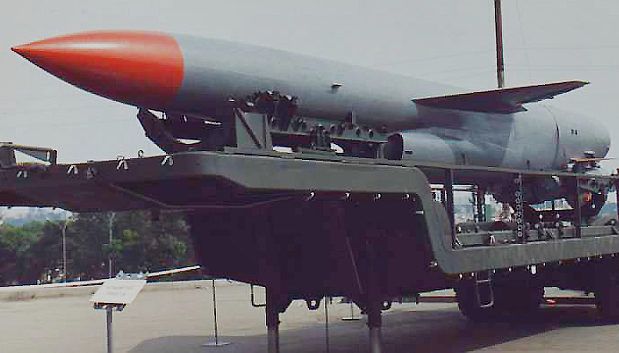
The Kiev Class’ design emphasised a combination of high end anti ship and air defence capabilities - needed to take out enemy carriers, destroyers and cruisers at range and protect itself from strikes from an enemy’s carrier air wing. The warships integrated what was arguably the most capable anti ship cruise missile of the time - the P-500 - which were a capable of striking targets up to 550km away at speeds of Mach 2.5. This made them extremely difficult two intercept for the air defence systems of the time. The missiles made use of semi active radar homing, before switching to active radar homing in their terminal phase, and deployed 1000kg warheads with the option for nuclear warheads. This allowed the Kiev Class to comfortably outrange retaliatory strikes from Western ship based cruise missiles - but came at a price. The P-500 missiles were extremely large and heavy, approximately four times the size of standard ship based cruise missiles, and despite the Kiev Class’ size each ship was restricted to carrying just eight of the missiles. The warship Baku, the last and most advanced of the Kiev Class ships, could carry twelve of the missiles. Their purpose was to take out American surface ships including its supercarriers long before they were positioned in range to respond.
Alongside close in weapons systems and various anti submarine rocket launchers, the other primary armament of the Kiev Class was its surface to air missile system - the M-11 Shtorm and later the 9K330 Tor. Again, the warship Baku proved to be by far the best armed - with 192 Tor missiles launched from a compact and space saving vertical launch system. This gave the warship an unrivalled air defence capability particularly against cruise missiles. The missile system was restricted to a short range, but its fire control system provided a 360 degree field of view and reliability against missile attacks was high. The warships Kiev and Minsk also deployed 9K33 Osa short ranged surface to air missiles - with each carrying up to 40 of these. This air defence capability would have been complemented by Yak-41 fighters, most likely armed with R-77 and R-27ER air to air missiles, had the program been seen through to completion in the 1990s - making the Kiev Class ships extremely survivable even against American carrier strike groups.
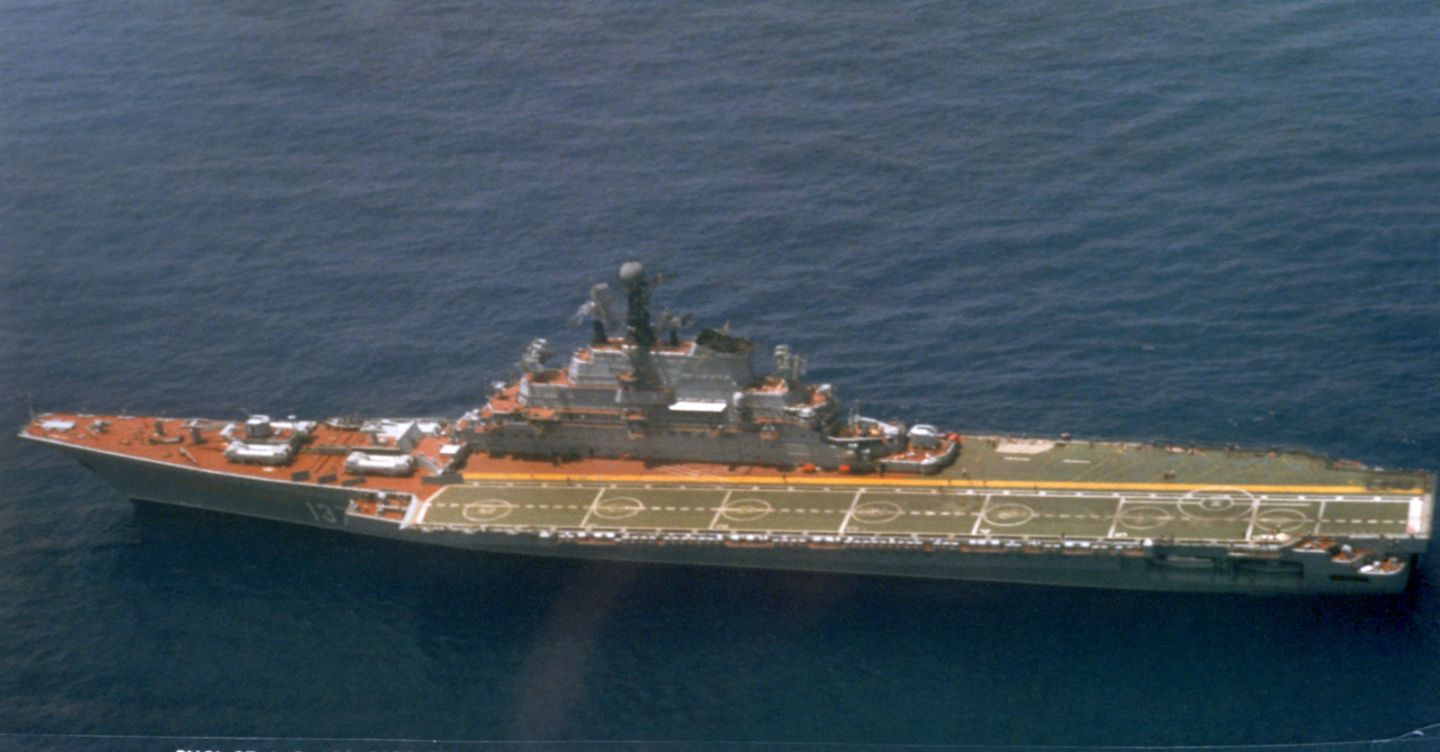
The Kiev Class ships are thought to have been developed partly in response to the Cuban Missile Crisis, which emphasised the Soviet Navy’s lack of long ranged power projection capabilities and its inability to meet U.S. carrier strike groups head on at sea. The program also appeared to be a first step towards developing a more conventional carrier fleet - although whether this was the intention from the outset remains uncertain. Four warships of the class entered service in 1972, 1978, 1982 and 1987 - the Kiev, Misk, Novorossiysk and Baku respectively all of which were built on the Black Sea’s Nikolayev South Shipyards. The ships were also highly capable in an anti submarine warfare role, and were capable of deploying over a dozen Ka-25 anti submarine warfare helicopters, two RBU-6000 anti submarine rocket launchers, and ten anti submarine torpedoes. This made the Kiev Class perhaps the most versatile carriers ever designed, with the ability to independently protect themselves from enemy air attacks, seek and destroy enemy submarines and engage high end enemy surface ships at speeds and ranges considered extreme for their time.
