
Russian Su-35S Shoots Down Ukrainian MiG-29 Fighter During Glide-Bomb Mission Near Kostiantynivka
Military Watch Magazine Editorial Staff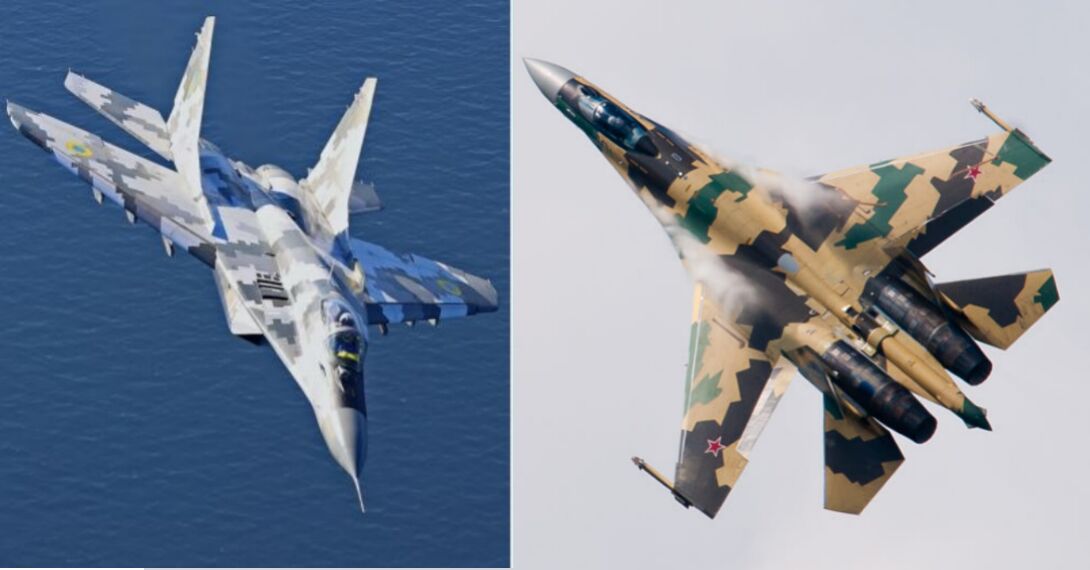
A Russian Su-35S long range air superiority fighter engaged a Ukrainian MiG-29 over the Donetsk region on August 18, as the targeted aircraft was conducting a strike mission against Russian positions around Kostiantynivka using guided glide bombs. The Su-35S was operating near Horlivka, while the Ukrainian MiG-29 was launching bombs from an area west of Kramatorsk. The Russian fighter reportedly shot down the target using either an active radar guided missile, either the R-37M the R-77. The engagement demonstrates the continued importance of long-range air-to-air combat over the Ukrainian battlefield, particularly as both sides increasingly rely on aircraft operating from outside the most heavily defended areas.
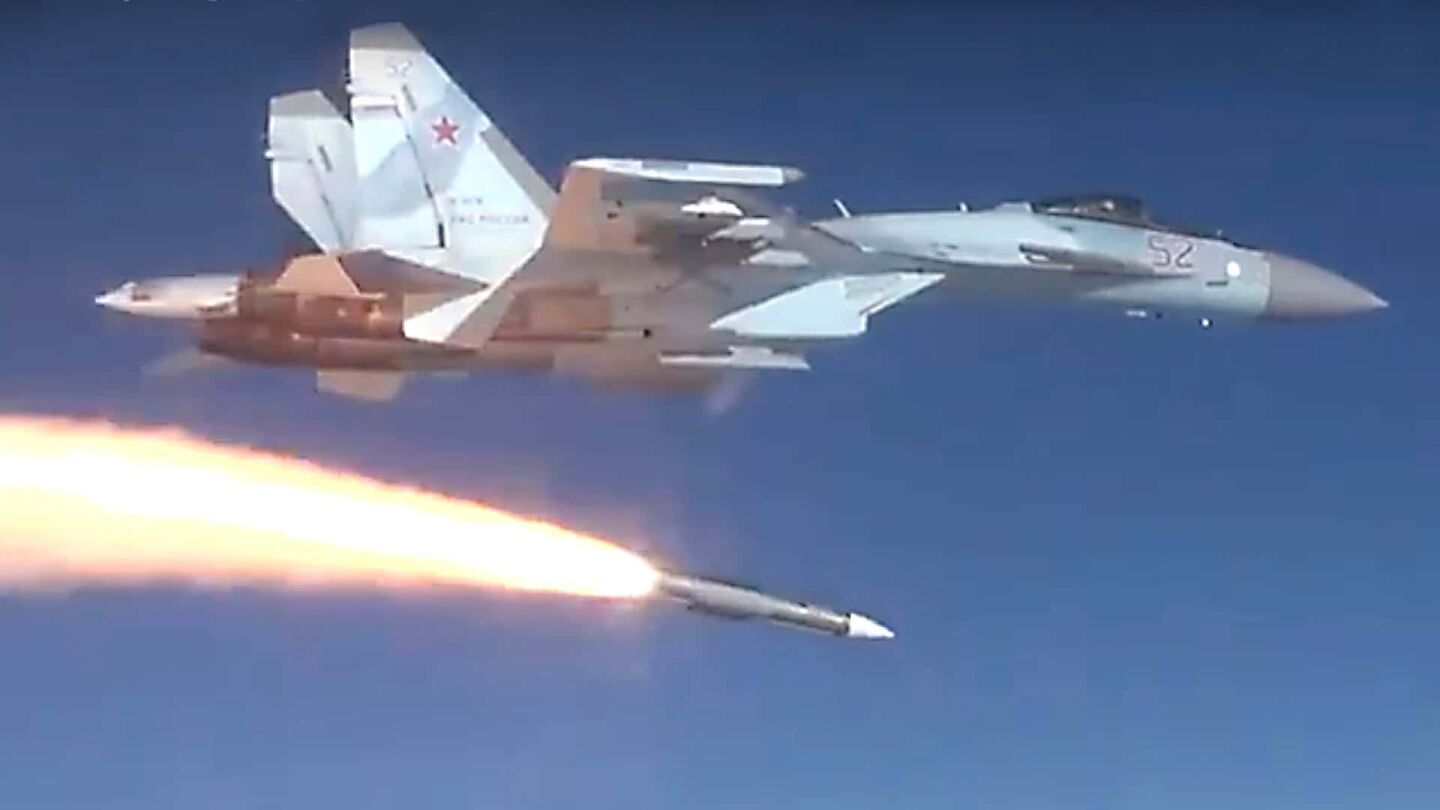
Although the Su-35 has long suffered significant disadvantages compared to modern U.S. and Chinese fighter types due to the limitations of its R-77-1 air-to-air missile, the integration of the R-37M from around 2022, followed by the R-77M from 2025, has transformed its combat potential. The missile has an estimated range of close to 200 kilometres, and is reported to use an AESA radar in its homing head for greater immunity to jamming and a longer target lock on range. It is also reported to use active phased array antenna technology to provide the missile with a fuller and wider angle picture of its target making it far more difficult to evade, as well as a new dual-pulse rocket motor. The missile has largely bridged the gap in performance with foreign rivals, allowing the Su-35 to engage Ukrainian fighters much more effectively at medium and long ranges.
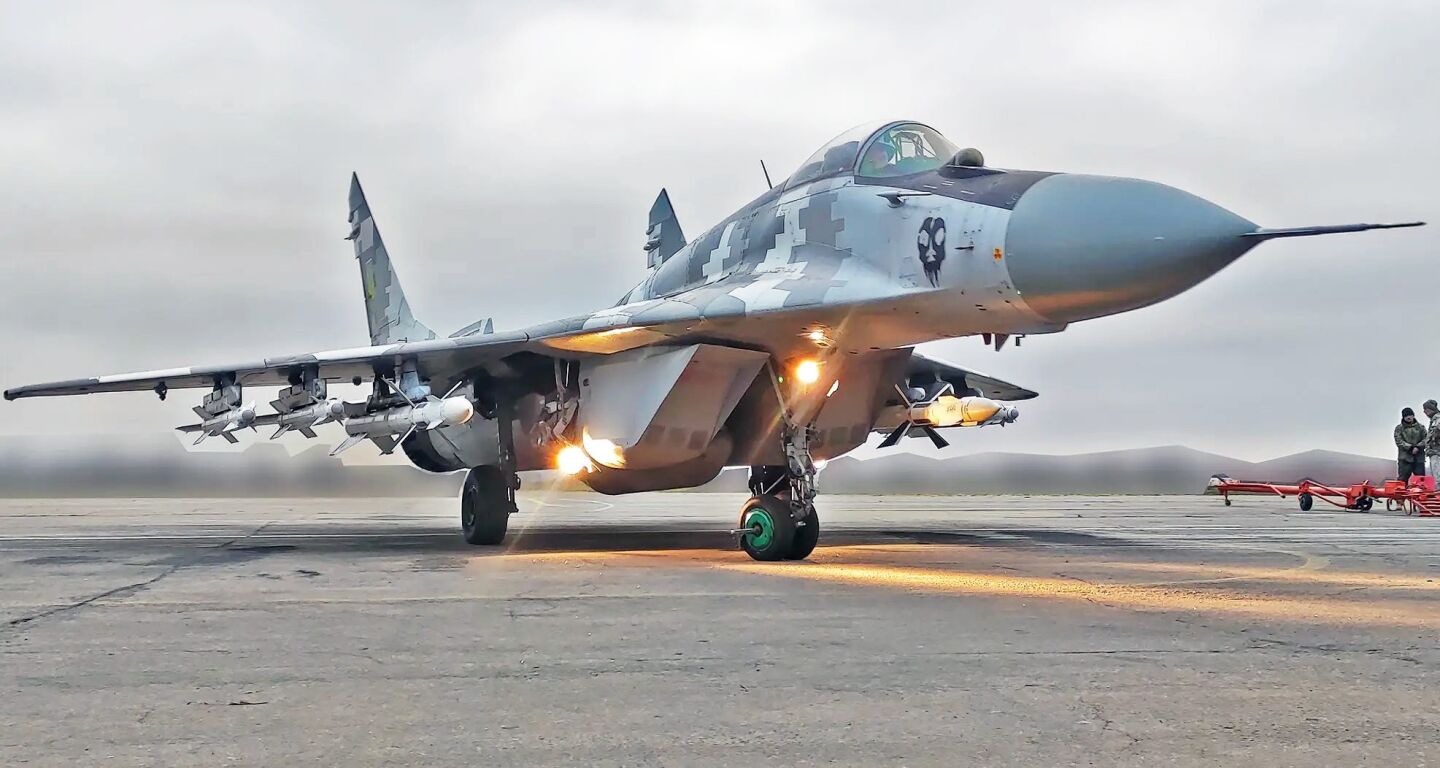
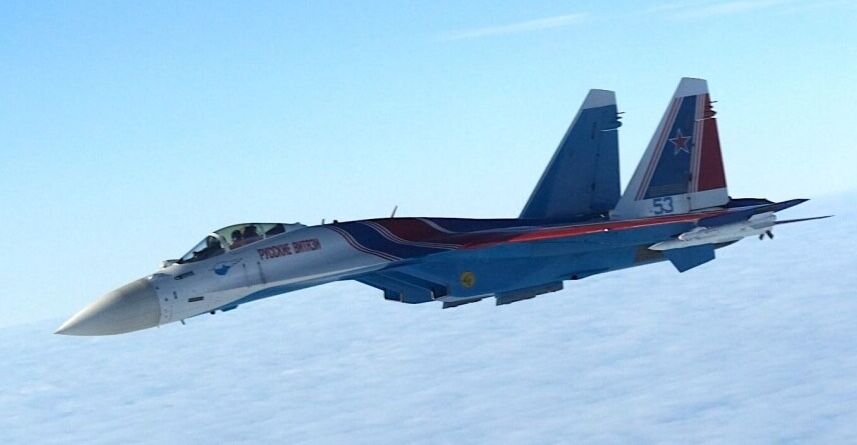
The latest engagement follows the shootdown of a Ukrainian Air Force MiG-29 in Poltava region on June 27 by a Su-35, closely coinciding with the destruction of two further MiG-29s on the ground in drone strikes. The Su-35 reportedly shot the fighter down using an R-37M long range air-to-air missile at a range of approximately 190 kilometres, which may represent the longest successful air-to-air kill ever recorded in combat. The Su-35S appeared to have been operating well inside Russian-controlled airspace, which remains standard practice for Russian fighters to avoid being targeted by Ukraine’s ground-based air defences.
MiG-29s have suffered heavy losses in air-to-air combat while achieving no confirmed kills against Russian fighters. A particularly intense ten days of air battles in October 2023 is reported to have seen 17 MiG-29s shot down in air-to-air engagements with Russian fighters. The MiG-29’s much heavier and more capable counterpart, the Su-27, has similarly suffered overwhelming losses when engaging modern Russian fighter types, reflecting a technological gap of close to two decades that factors against the Soviet-era jets. Despite the MiG-29’s limitations, in the early weeks of the war Ukrainian government and Western media sources widely reported that a MiG-29 piloted by a local ace, named the ‘Ghost of Kiev,’ gained a tremendous number of kills against Russian fighters, although it was later widely confirmed that these reports had been false and were propagated to boost morale.
