
Russian Su-35S Shot Down Ukraine’s Elite Su-27 Air Superiority Fighters in Two-on-One Air Battle
Military Watch Magazine Editorial Staff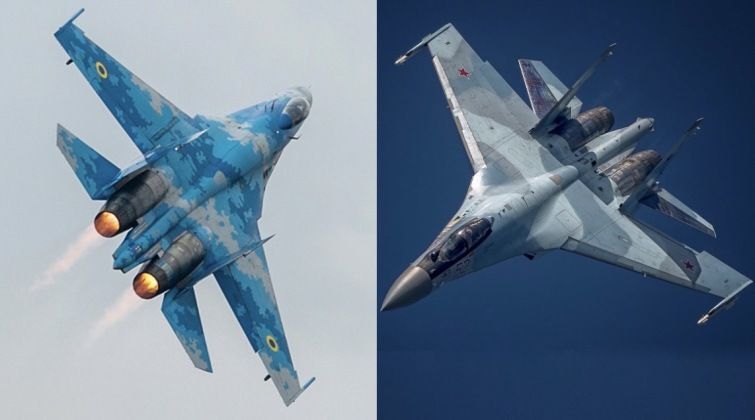
A Russian Aerospace Forces Su-35S fighter pilot reportedly destroyed two Ukrainian Su-27 fighters during a single air engagement, according to Sergey Kobylash, commander of the Russian Air Force and deputy commander-in-chief of the Russian Aerospace Forces. He reported that the Su-35S was conducting combat air patrols to protect an advancing group of Russian ground forces, and detected two hostile Su-27s despite Ukrainian electronic jamming. The commander noted that the Ukrainian fighters outnumbered the Russian aircraft two-to-one, but claimed that the Su-35S pilot was able to gain a tactical advantage through manoeuvring before launching his weapons.
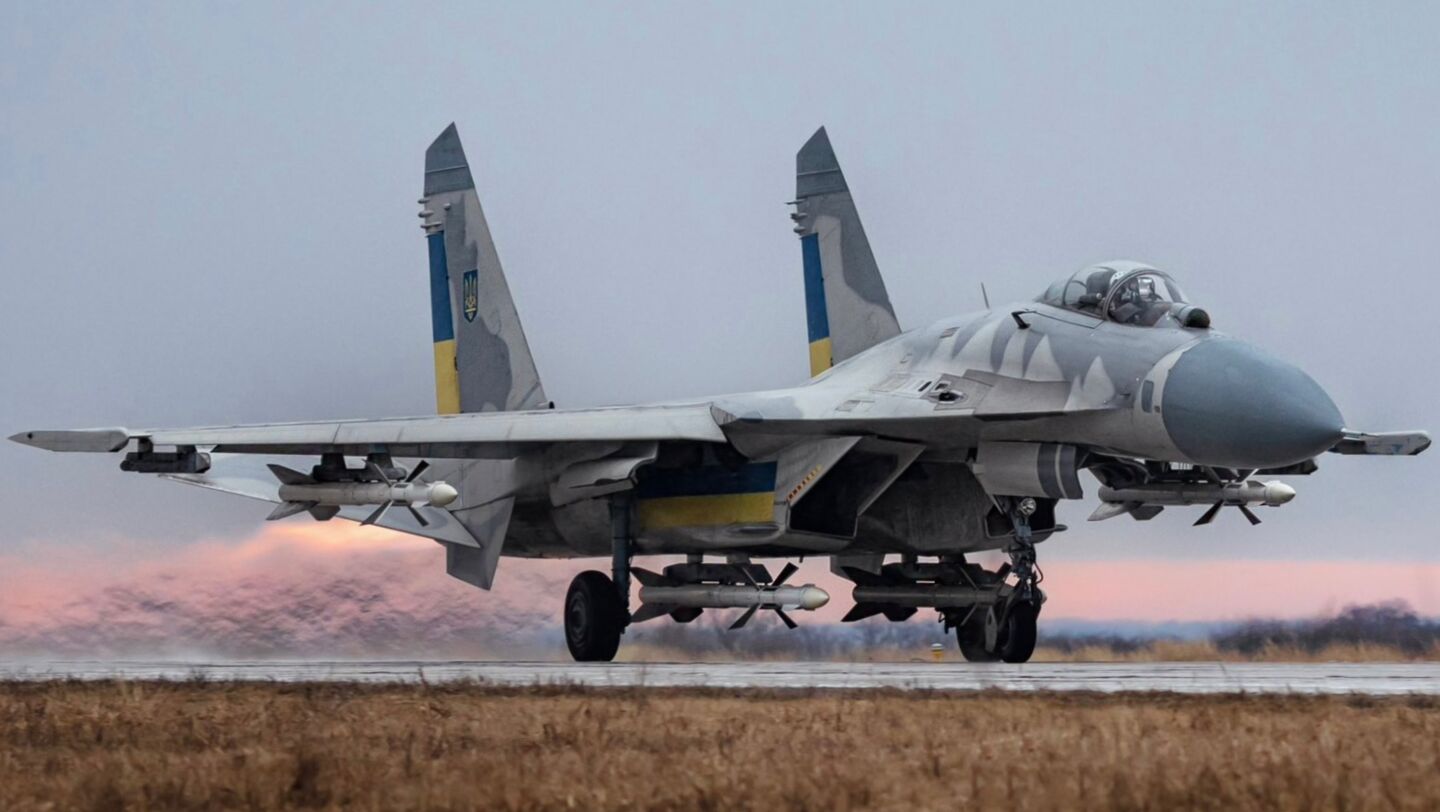
Kobylash’s reference to Ukrainian jamming is significant, as modern air combat is increasingly shaped by electronic warfare, with fighters attempting to detect targets while simultaneously denying their own position and disrupting enemy sensors. With Ukraine lacking fighters with comparable performances to the Su-35, it may have relied heavily on jamming to compensate for the Russian aircraft’s advantages. Ukraine’s Soviet fighters have integrated a wide range of NATO weapons, mostly cruise and anti-radiation missiles, with a significant possibility remaining that they have also received support to modernise their electronic warfare capabilities. The Su-35 integrates three separate radars and a modern infrared search and tracking system, which provide a high degree of resistance to jamming.
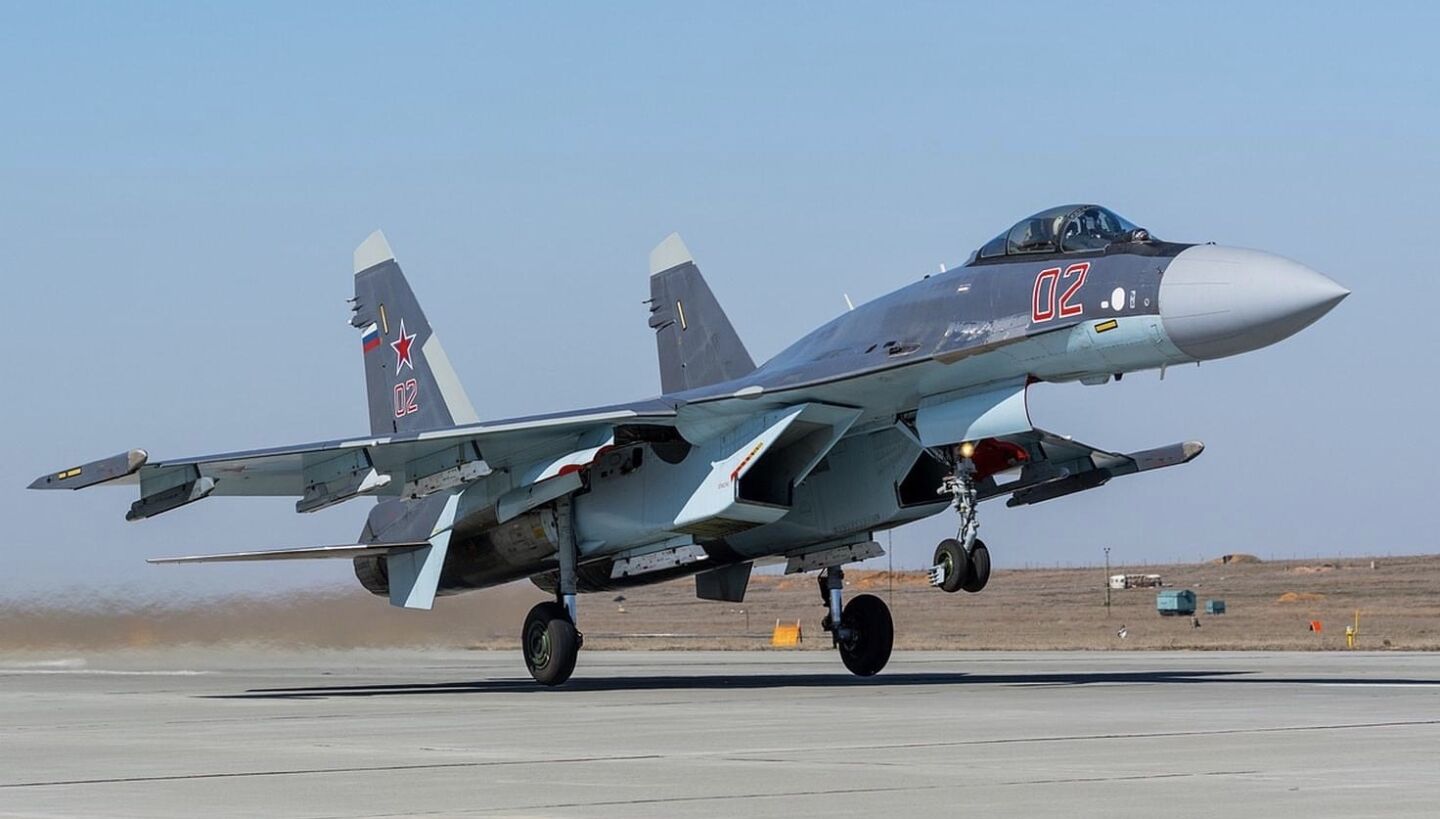
The claim that three air-to-air missiles were used to destroy two aircraft is particularly notable. If accurate, it would suggest that the Russian pilot achieved a high level of weapons employment efficiency during the engagement. However, the statement does not establish whether all three missiles struck their intended targets, whether more than one missile was fired at a particular aircraft, or whether one missile was launched as a follow-up after the initial engagement. The fact that electronic jamming was a significant factor in the engagement indicates that it occurred at beyond visual ranges, with the Su-35’s ability to engage targets at such ranges having been enhanced considerably in 2025 with the integration of new R-77M missiles.
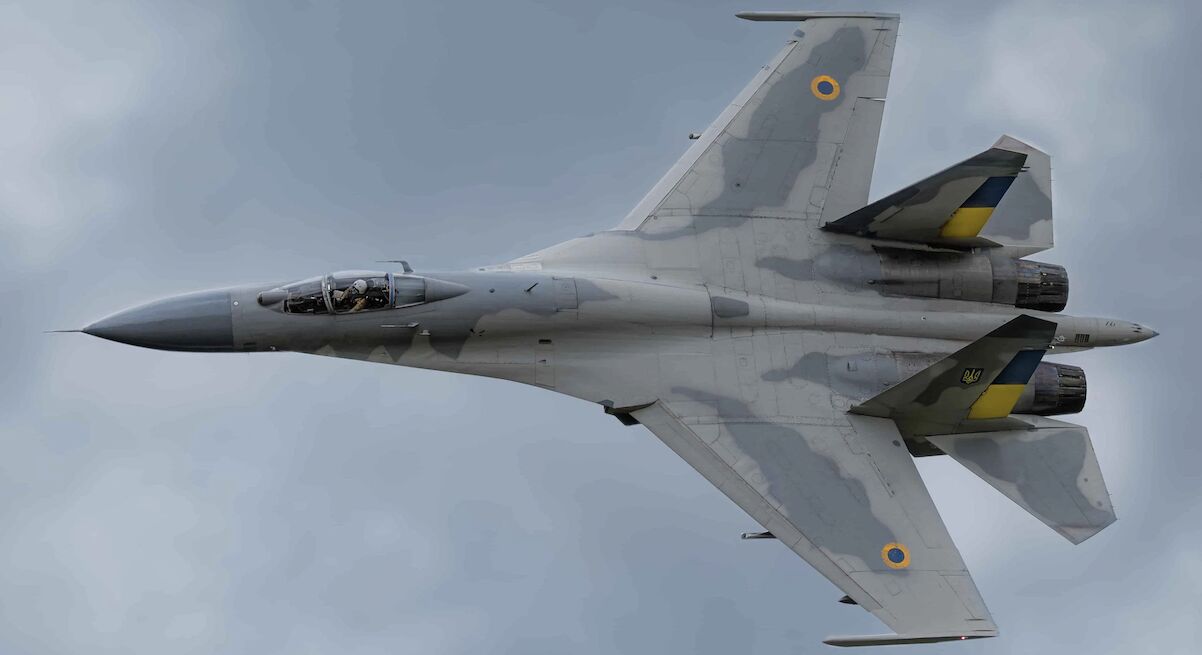
It remains uncertain when the reported engagement between the Su-35 and Ukrainian Su-27s took place, although a significant possibility remains that it occurred in the initial months of hostilities in 2022. Ukrainian fighters have since then generally avoided air-to-air engagements, and primarily been equipped with beyond visual range missiles to engage targets from safe distances. Early efforts to engage Russian fighters ended in disaster for Ukrainian air units, including the Su-27 which is by far the most capable fighter type the country has operated. Zhytomyr was the site of one of the largest air battles of the war, which saw four Su-27s shot down in March 2022 by Su-35s, which took no losses.
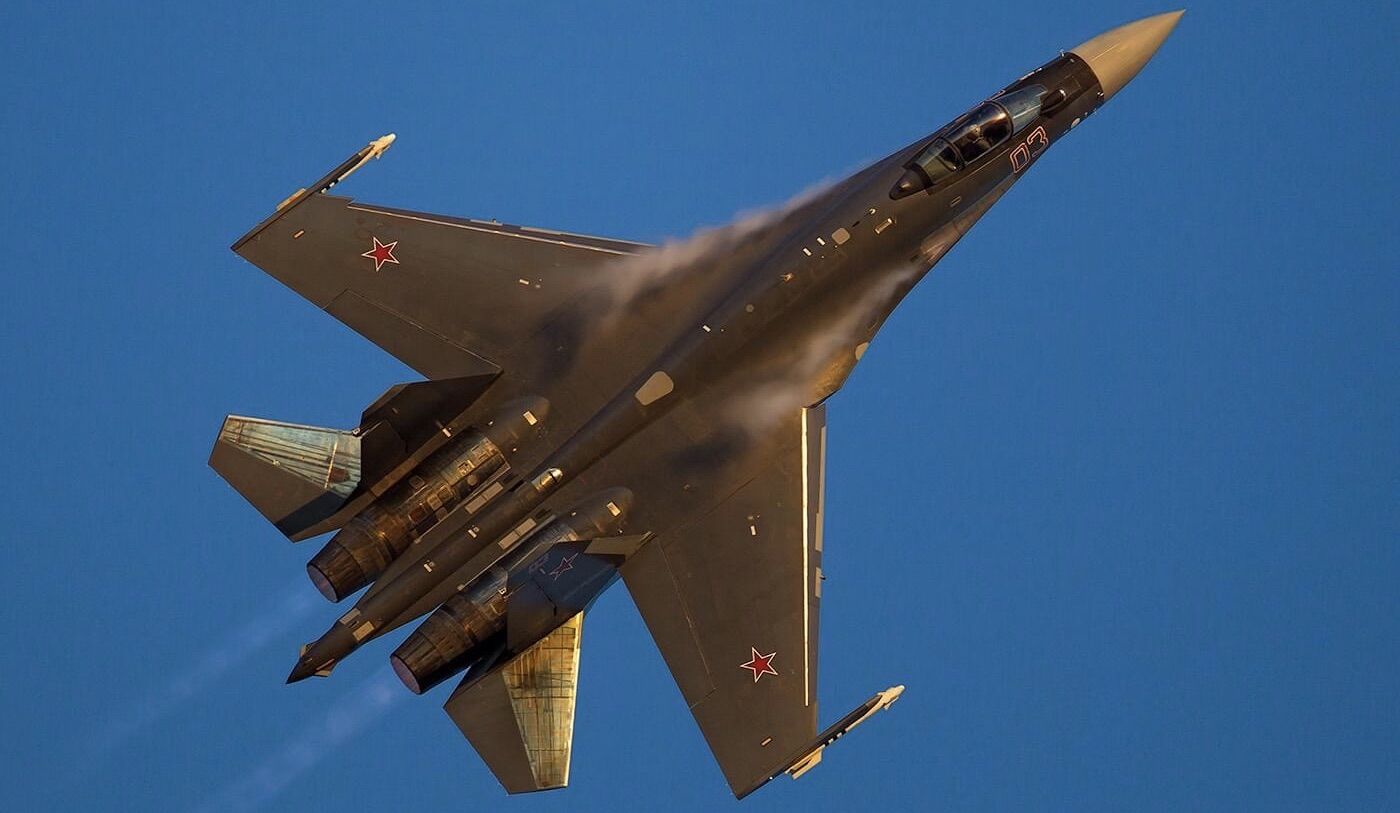
Developed as the Soviet Union’s premier air superiority fighter, the Su-27 is prized for its much larger and more powerful radar than other Ukrainian operated fighter types, as well as its far longer range and higher weapons payload. Having entered service in 1984, however, and seen little modernisation since then, the type is today obsolete for air-to-air engagements. Ukrainian Su-27s have also been modified to employ ADM-160 MALD decoy missiles, French AASM Hammer precision guided bombs, and U.S. GBU-39 small diameter bombs. The Su-35 is itself a heavily enhanced derivative of the Su-27 design, which has been relied on heavily due to delays developing fifth generation fighters. Its design benefits from three decades of technological advances over the Su-27, affecting areas including its avionics, sensors, engines, weaponry and high composite airframe materials.
