
Russian Su-35 Fighter Launches Deep Penetration Strike to Test Ukraine’s Air Defences
Military Watch Magazine Editorial Staff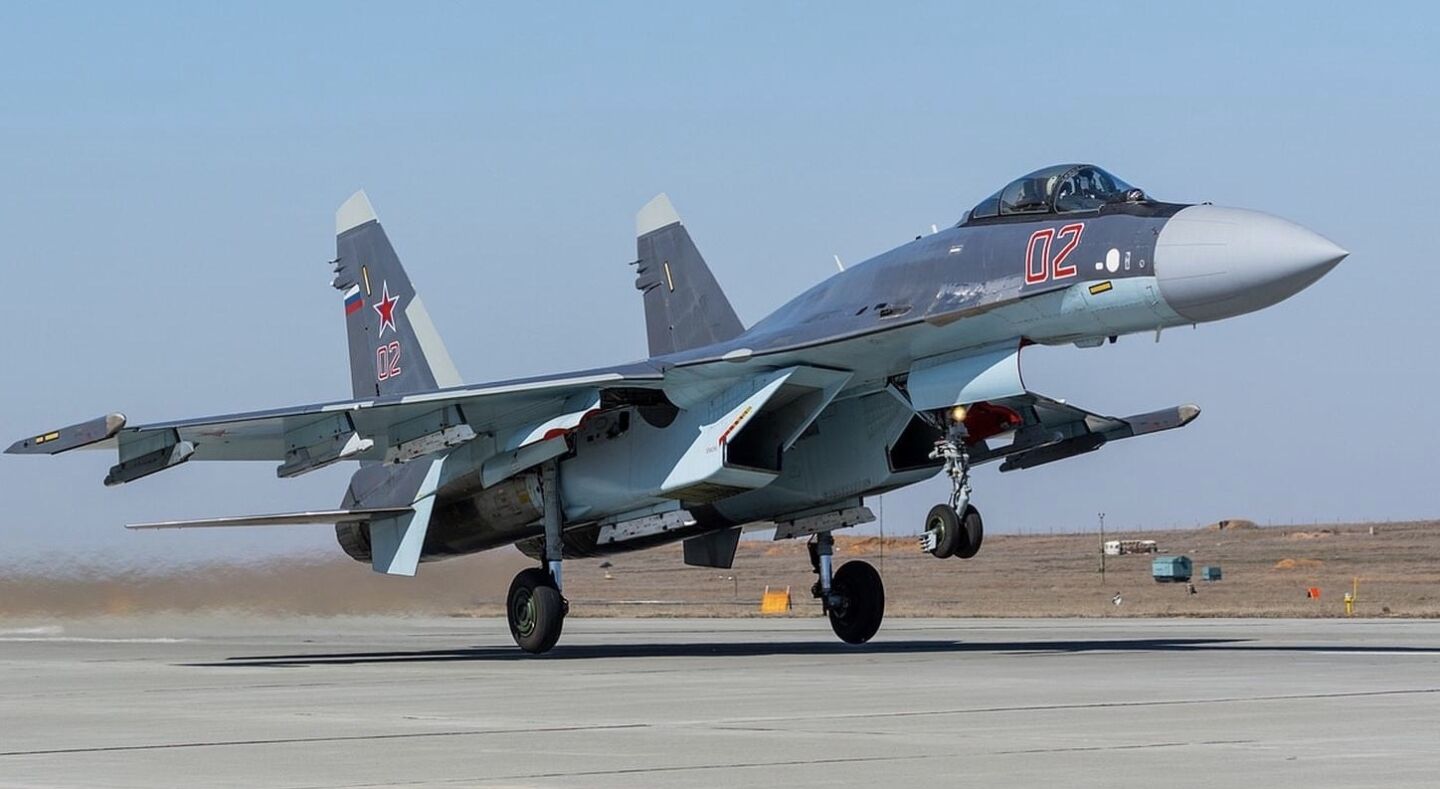
Su-35 Fighter
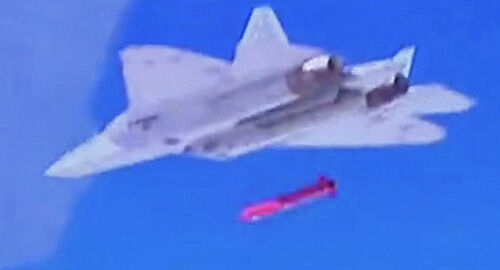
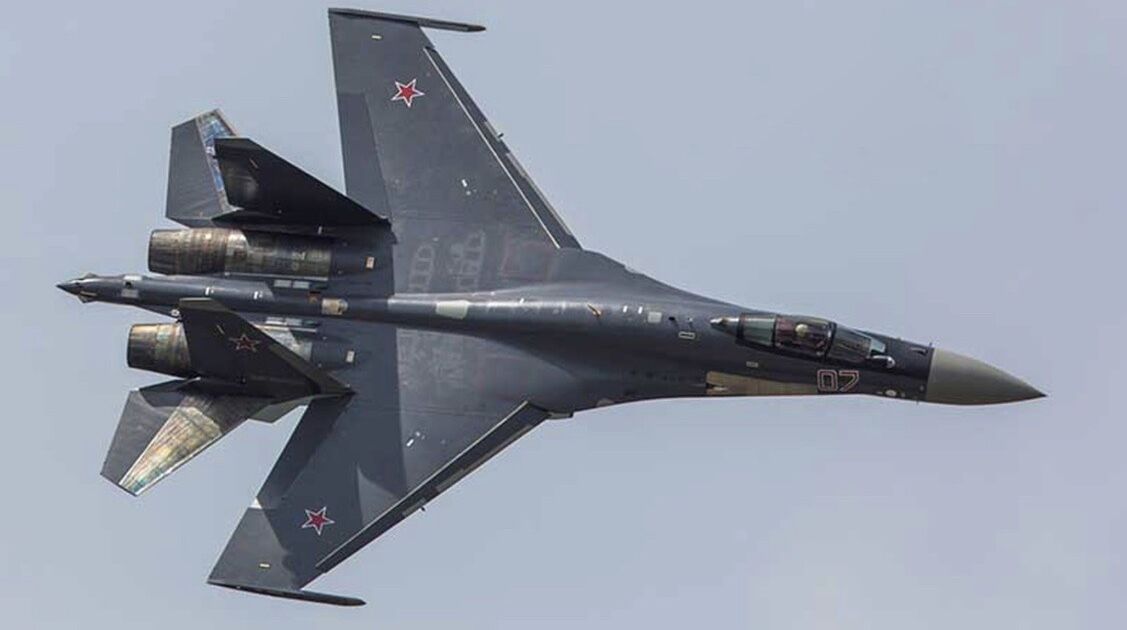
A Russian Aerospace Forces Su-35S fighter crossed into Ukrainian-controlled airspace over the Sumy region, flying over the town of Uhroidy and launched a Kh-59/69 guided missile towards Sumy City before returning safely to Russian-controlled airspace in Kursk. The reported sortie is unusual because Russian fourth generation fighters have consistently avoided penetrating Ukrainian airspace, instead relying heavily on missiles and glide bombs to engage targets at range weapons. If confirmed, it would represent a notable departure from the operating patterns that have characterised much of the war, and indicate a potential shift in doctrine in response to a weakening of adversary air defences.
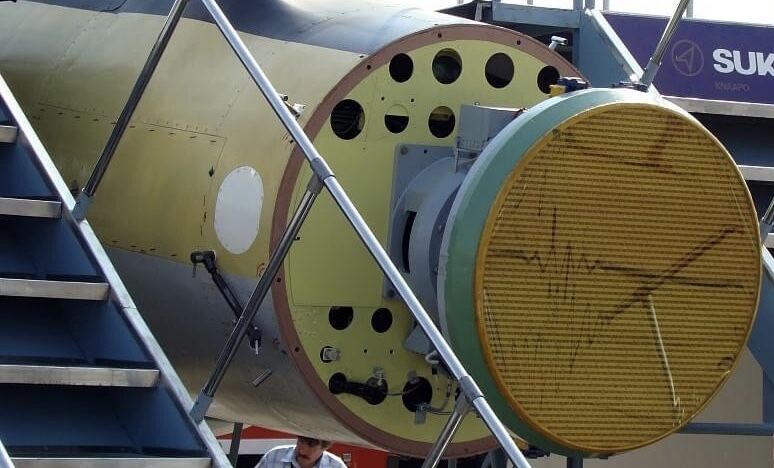
The Su-35S is particularly well suited to probing hostile defences. The aircraft combines one of the world’s largest most powerful powerful primary radars, two secondary L-band AESA radars, and modern electronic warfare pods to provide a high degree of survivability through jamming. The aircraft’s single pilot, and the large numbers in service and in production, make the use of the aircraft for such missions a lower risk than using a twin seat Su-30SM2 or a scarce Su-57 stealth fighter. The Su-57 is the only fighter type known to have previously been deployed for significant operations close to hostile air defences, reflecting its much higher degree of survivability than other Russian tactical combat jets.
The reported flight over Uhroidy would have placed the Su-35S substantially closer to Ukrainian air-defence systems than is normally necessary for a strike mission. A likely explanation is that Russia was deliberately testing Ukraine’s air-defence response. A fighter penetrating a relatively limited distance across the border could provide Russian forces with information about radar coverage, reaction times and the availability of surface-to-air missile batteries. Even if the aircraft did not intend to conduct a prolonged operation over Ukrainian territory, the mission could reveal whether Ukrainian commanders were capable of rapidly engaging a fast-moving target. The aircraft may have exploited a temporary gap in radar or missile coverage.
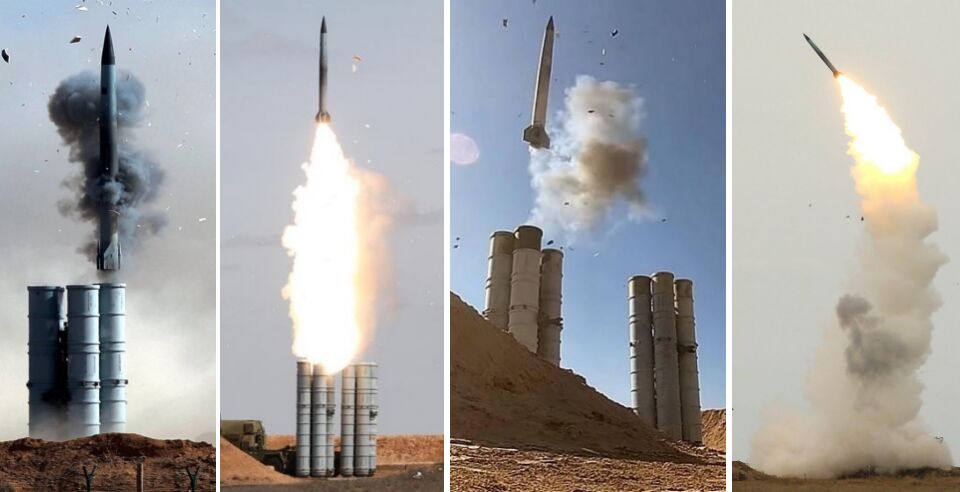
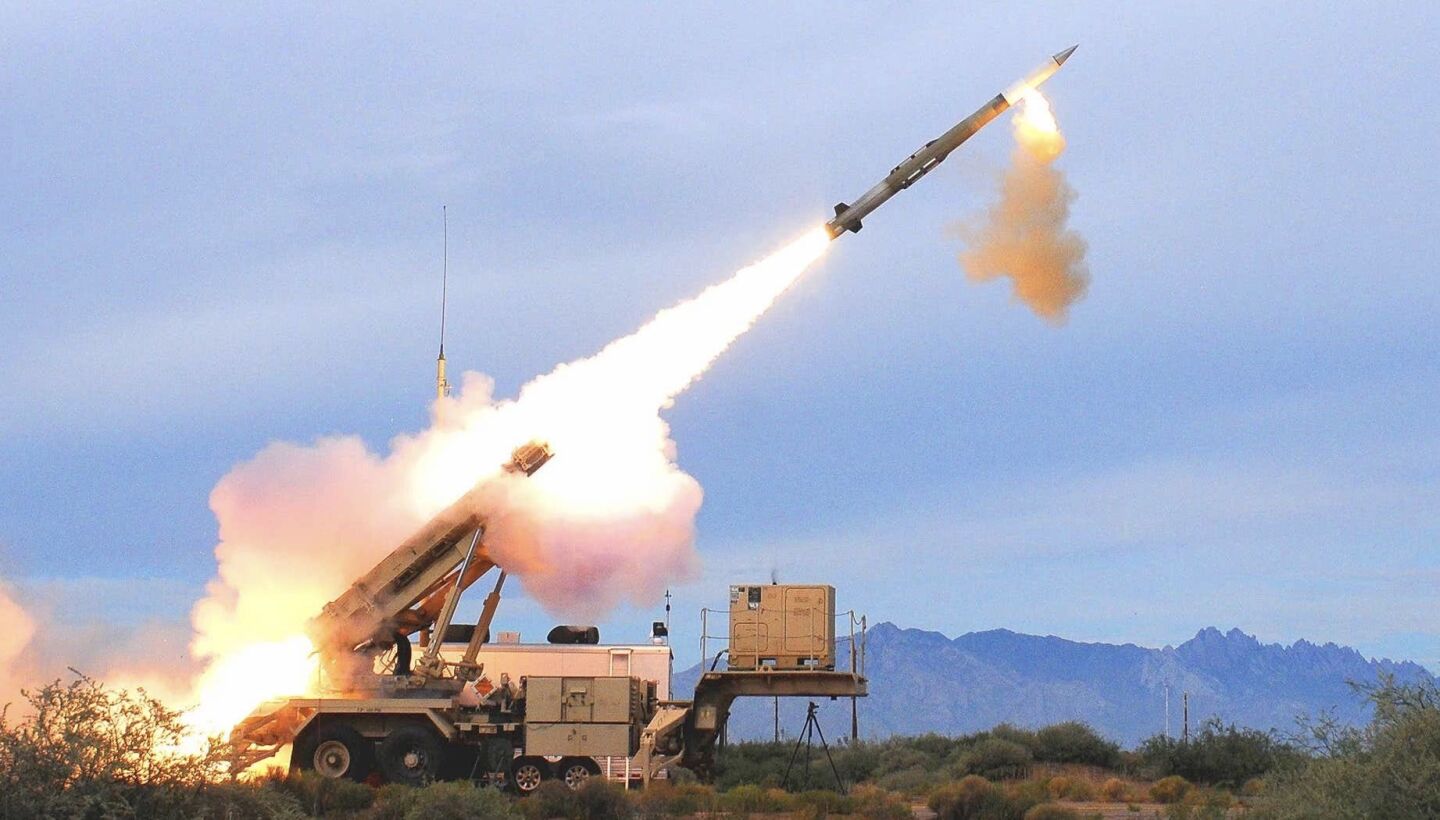
Due to the rapid depletion of its S-300 air defence arsenal inherited from the Soviet Union, Ukraine’s U.S.-supplied MIM-104 Patriot air defence systems and their PAC-2 and PAC-3 interceptors have become the most important components of its long-range air-defence network. These systems are capable of engaging aircraft and missiles at considerable distances, but their interceptors are expensive and increasingly difficult to replace. A number of analysts have interpreted the Su-35’s ability to launch penetration strikes as a direct result of the effective cutting off of supplies of interceptors for Patriot systems to Ukraine, which compounds the destruction of multiple systems in Russian strikes.
If Russia believes Ukrainian interceptor stocks have become sufficiently depleted, it could become more willing to accept greater risks with tactical aviation. The depletion or redistribution of Patriot batteries could create temporary gaps, particularly across Ukraine’s enormous territory. Russia could then attempt to identify and exploit those gaps rather than assuming that Ukrainian airspace is uniformly defended. The latest development may this signal a changing balance between Russian tactical aviation and Ukrainian air defence.
The Sumy region is particularly sensitive because of its proximity to Russia’s Kursk region. Russian aircraft operating from bases and airspace in western Russia can reach the area relatively quickly, while Russian forces also possess extensive sensor coverage near the border. This geography potentially provides Russian aviation with opportunities to conduct short-duration penetrations that would be much more difficult deeper inside Ukraine. For Ukraine, defending Sumy presents a difficult resource-allocation problem. Creating a continuous long-range air-defence umbrella across the entire northeastern border would require substantial numbers of launchers, radars and interceptor missiles. Russia can potentially exploit the resulting gaps by varying its routes, launch points and attack profiles.
