President Trump Refuses to Approve Ukrainian Production of Patriot Missile Interceptors Despite European Pressure
Military Watch Magazine Editorial Staff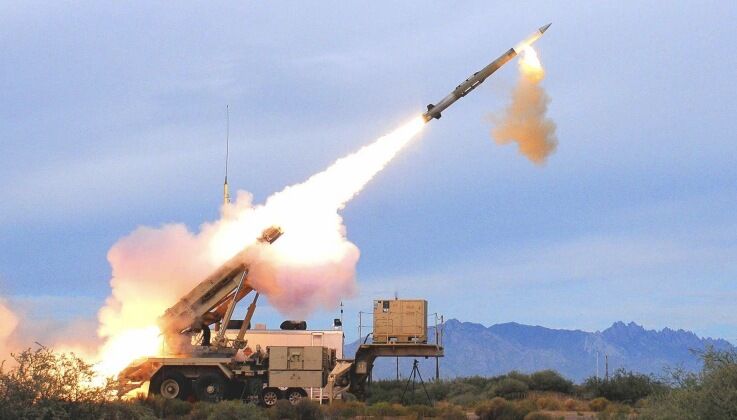
Surface-to-Air Missile Launcher from MIM-104 Patriot Long Range Air Defence System
U.S. President Donald Trump has stated that Washington has not approved a proposal allowing Ukraine to manufacture Patriot air defence missile interceptors under licence, despite earlier indications that such an arrangement was under consideration. Speaking during a cabinet meeting at Camp David, Trump said discussions were continuing, but emphasised that transferring advanced missile technology represented “a big step” requiring considerable caution. Ukraine has sought permission to produce PAC-3 interceptors as it struggles to replenish stocks amid intensifying Russian ballistic missile strikes.
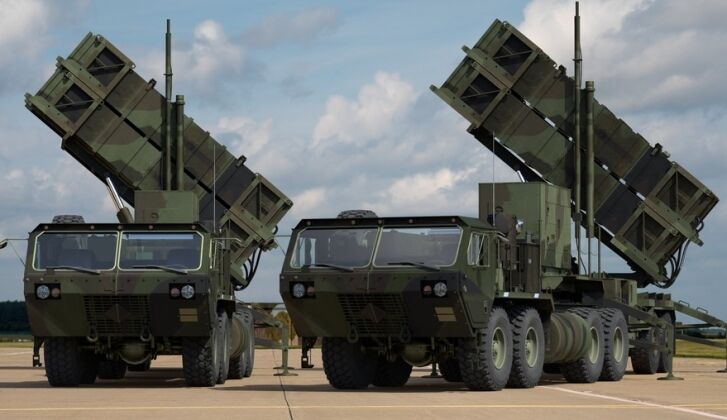
President Trump explained that while Ukrainian President Volodymyr Zelensky had requested both Patriot interceptors and Tomahawk cruise missiles, the United States had to be “very judicious” about sharing highly sensitive military technologies. He added that Washington had “not agreed” to licensed production in Ukraine, arguing that advanced defence technologies could potentially be used against the United States or its allies in the future if they proliferated beyond U.S. control. The issue has also highlighted broader pressures on U.S. missile inventories, as Patriot interceptors have been expended not only supporting Ukraine, but also at a much higher rate during U.S.-led military operations against Iran. Reports from multiple Western sources confirmed on March 5, 2026, that the United States Army had expended over 800 interceptors from Patriot systems during just five days of engagements with Iranian forces.
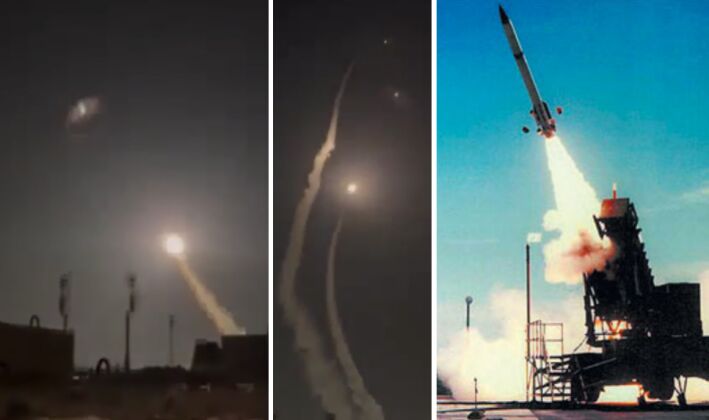
Significant questions have been raised regarding the viability of producing Patriot interceptors in Ukraine, with industry officials and defence analysts having informed the British media outlet Reuters in July that the technical, industrial and security challenges involved meant production was more likely to begin in Germany or another European NATO member. Sources cited by Reuters stressed that even with U.S. approval, production remains a highly complex undertaking, posing challenges even for much more stable and developed countries. The missiles contain sophisticated radar seekers, guidance electronics, rocket motors and advanced software that depend on tightly integrated international supply chains.