
Russian Robot Tank Based on T-72 Makes Debut in Exercises
Military Watch Magazine Editorial Staff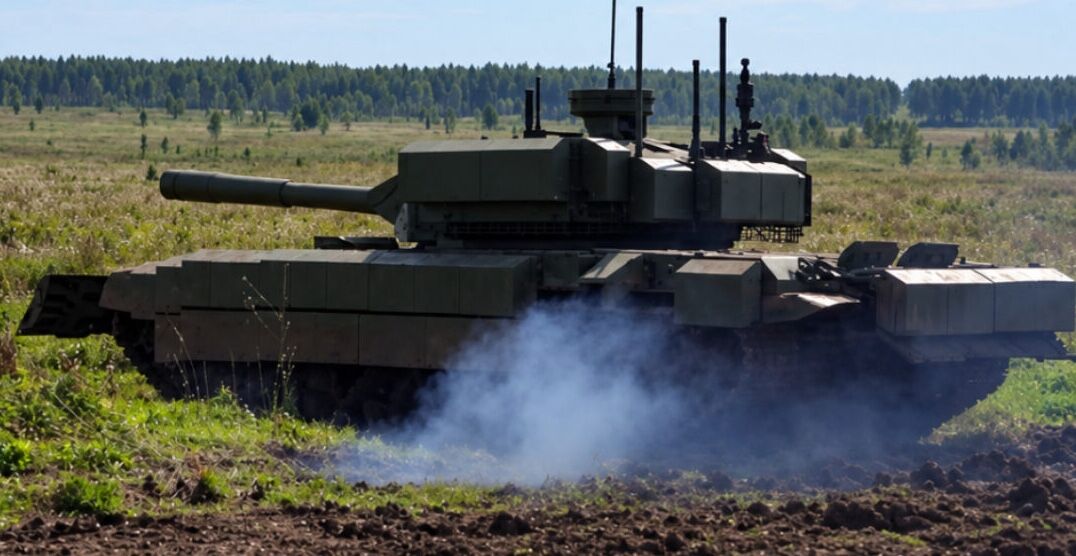
Russian Shturm Robot Tank
Russia has demonstrated its Shturm heavy robotic assault system during the Center-2026 strategic exercises, with the vehicles reportedly being used to provide fire support to assault units. The system was shown during the main phase of the exercises at the Chebarkulsky training ground in the Chelyabinsk Region. Vehicles are based on the T-72B3M chassis. While the development of a robotised variant of the T-72 was previously expected to allow Russia to capitalise on the thousands of surplus T-72s inherited from the Soviet Union, the extreme depletion of these arsenals in the Ukrainian theatre has raised questions regarding the value of developing a robotised T-72 variant.
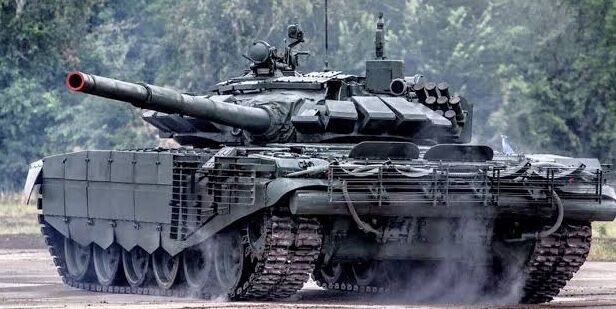
According to the Russian Defence Ministry, the Shturm is being developed in at least two configurations. One is equipped with a tank-type turret, while another is configured as an unmanned tank support combat vehicle resembling the BMPT concept. The Shturm system consists not only of the robotic combat vehicles but also of a separate crewed control vehicle based on a tank chassis. During the exercise, operators reportedly controlled the vehicles using joysticks, FPV-style headsets and tablets through a multichannel communications system designed to provide resistance to interference. Russian sources reported that three operators are responsible for the functions of commander, gunner and driver.
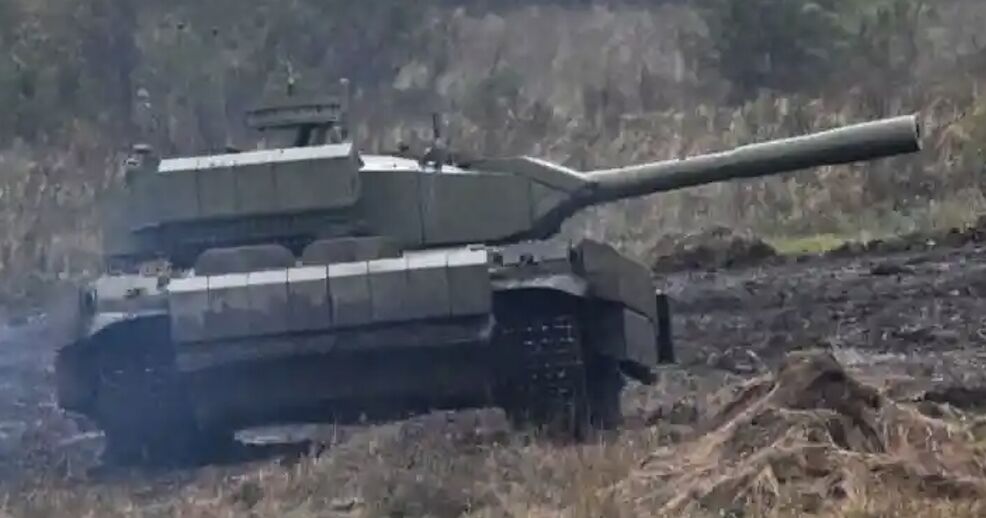
The Shturm system has been under development for several years, with Uralvagonzavod having begun work around 2018, with the project intended to develop a heavy robotic combat system capable of operating at the front of assault formations in environments considered particularly dangerous for conventional armoured vehicles. The principal Shturm variant features a shortened 125mm gun intended to improve manoeuvrability in confined environments, particularly urban terrain. The vehicle is also equipped with a bulldozer blade for clearing obstacles and additional protection against shoulder-fired anti-tank weapons, while other versions are intended to carry different weapon configurations. A heavier variant armed with a 152mm gun has reportedly been proposed.
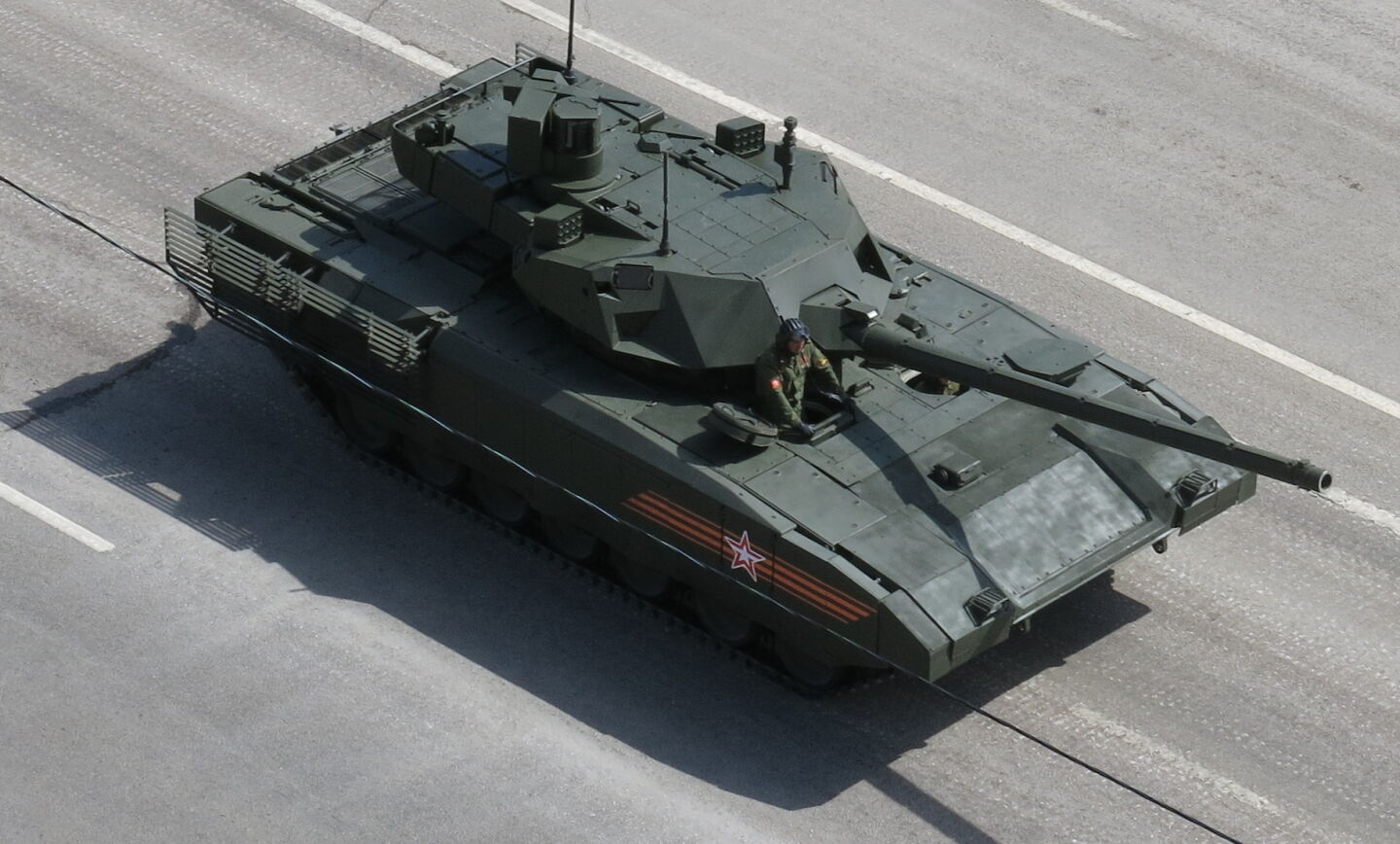
The concept is particularly focused on urban combat, where armoured vehicles face threats from anti-tank weapons, mines and drones operating at close range. A shortened gun allows the turret to operate with greater freedom around buildings and other obstacles, while remote operation is intended to keep personnel away from the vehicle itself during particularly hazardous missions. At Center-2026, the Russian military reportedly employed the robotic vehicles in support of assault troops rather than merely displaying them as experimental technology. The Ministry of Defence has described the Shturm vehicles as providing fire support during the main stage of the exercise, representing a further step towards integrating heavy ground robots into conventional armoured formations.
