
China’s Type 99A Heavy Tanks Deploy to Russia for Major Exercises
Military Watch Magazine Editorial Staff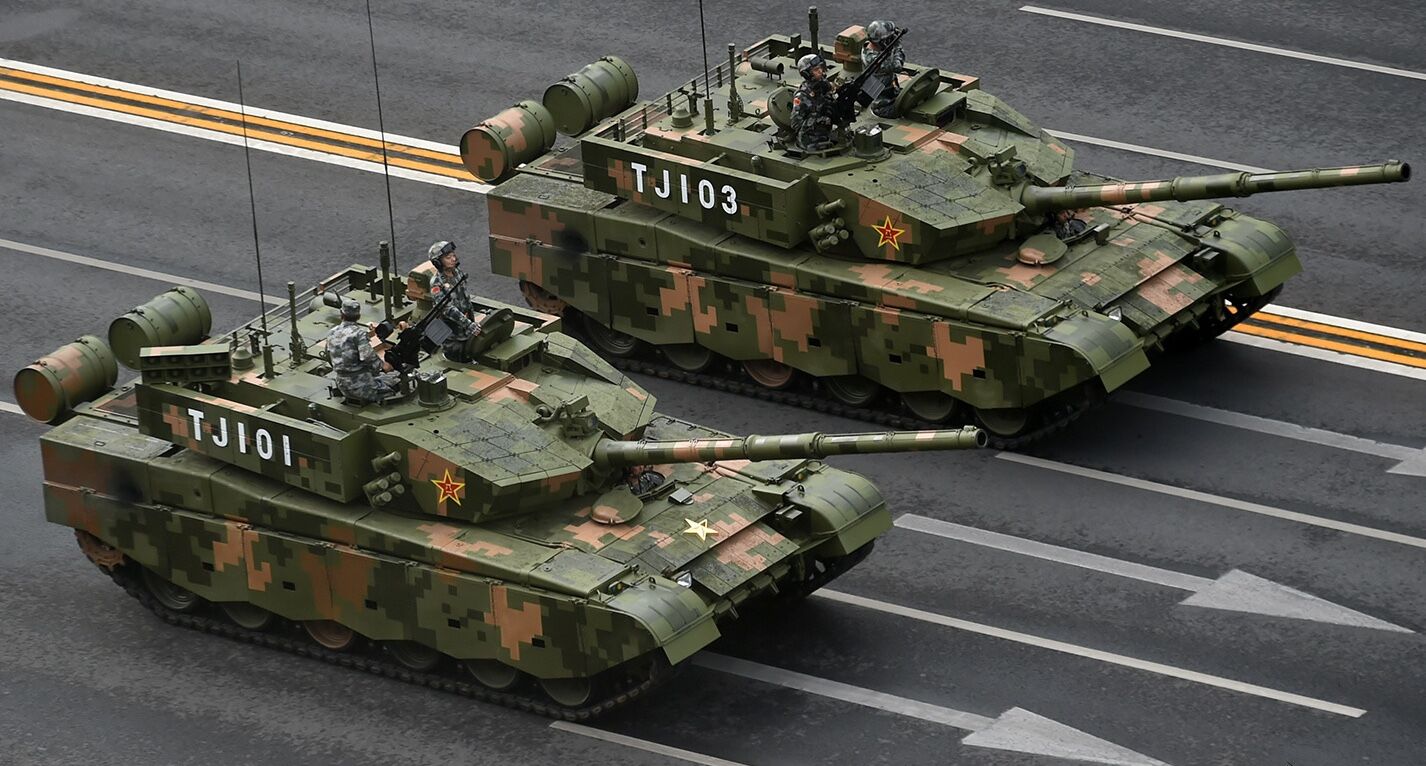
Chinese PLA Ground Force Type 99A Tanks
Chinese People’s Liberation Army forces have completed their participation in Russia’s Center-2026 strategic command-and-staff exercise, deploying Type 99A main battle tanks alongside large numbers of unmanned systems. Training incorporated lessons from recent conflicts, primarily the Russian-Ukrainian War, raising the possibility that Russian forces could impart significant knowhow to Chinese ground units. The Chinese contingent, drawn from the Central Theater Command, operated at the Chebarkulsky training ground in Russia’s Chelyabinsk Region from September 28 to October 3. The exercise involved more than 47,000 personnel across multiple training areas, including approximately 6,000 troops during the final phase at Chebarkulsky.
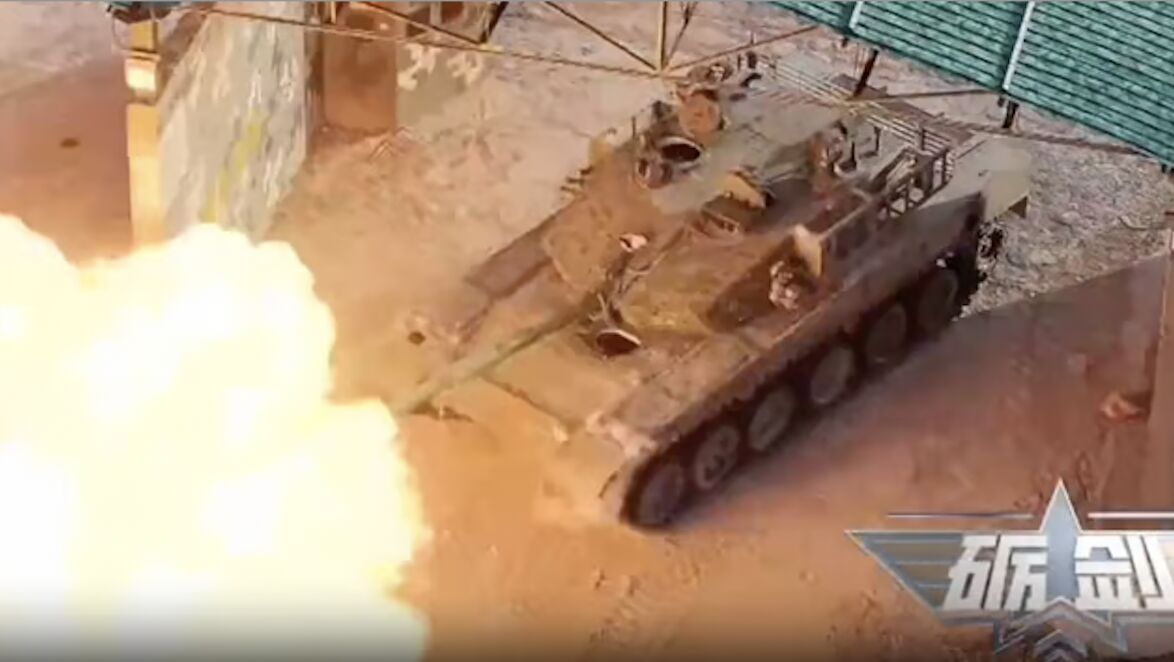
Images released by Chinese military media showed Type 99A main battle tanks participating in the exercise. The 55 ton tanks among the most capable armoured vehicles operated by Chinese forces and combines a 125mm main gun with advanced fire-control, protection and battlefield information systems. The deployment of the Type 99A alongside unmanned systems was particularly significant. Chinese state media reported that drone swarms were used to provide target information to ground combat units, while tactical drones, attack helicopters and unmanned ground vehicles were employed together against simulated frontline targets.
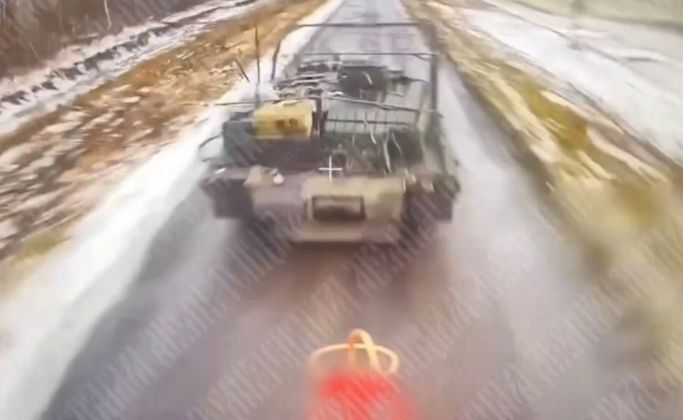
The exercise also involved multiple waves of attacks from different directions, with unmanned systems supporting reconnaissance and fire missions. Unmanned ground vehicles were reportedly used not only for combat tasks but also for activities including obstacle clearance and the establishment of obstacles, demonstrating the increasingly diverse roles being explored for robotic systems in ground warfare. The Chinese contingent conducted training focused on reconnaissance, command and control, firepower strikes and logistical support. During the field phase, People’s Liberation Army units practised three-dimensional reconnaissance, integrated information and firepower strikes, guided entry, multidirectional assaults and rapid pursuit operations.
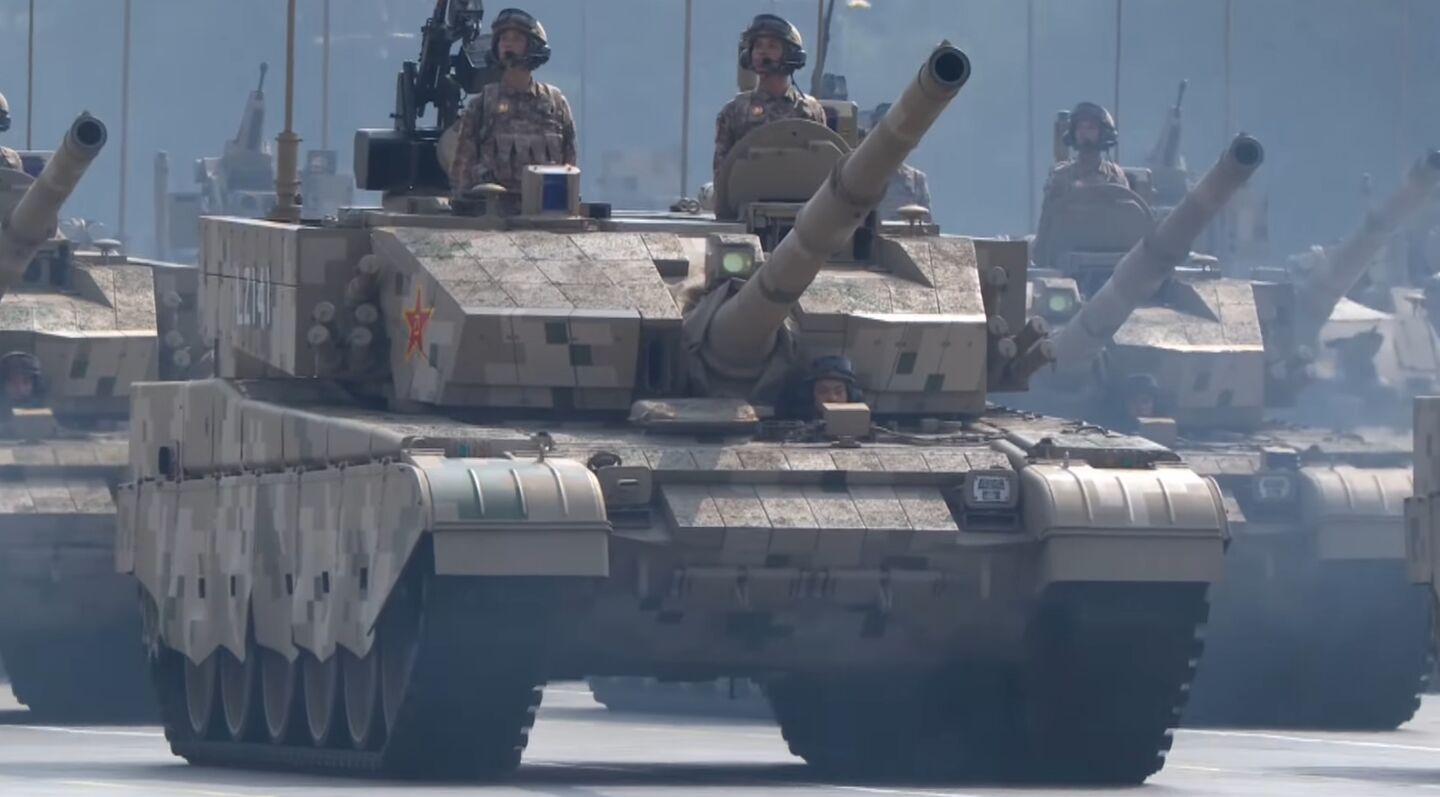
Chinese military expert Song Zhongping told the Global Times that the exercise provided forces with an opportunity to study the combat experience accumulated by Russia and other participating countries. He noted that militaries participating in the exercise could learn from each other’s experience, including that of countries with extensive counterterrorism and conventional combat experience. Song also highlighted the vulnerability of traditional armoured formations to large numbers of drones and precision-guided weapons. He argued that the combination of Type 99A tanks with drones and unmanned ground vehicles demonstrated how manned and unmanned platforms could increasingly operate together, with robotic systems conducting reconnaissance or higher-risk missions ahead of crewed vehicles.
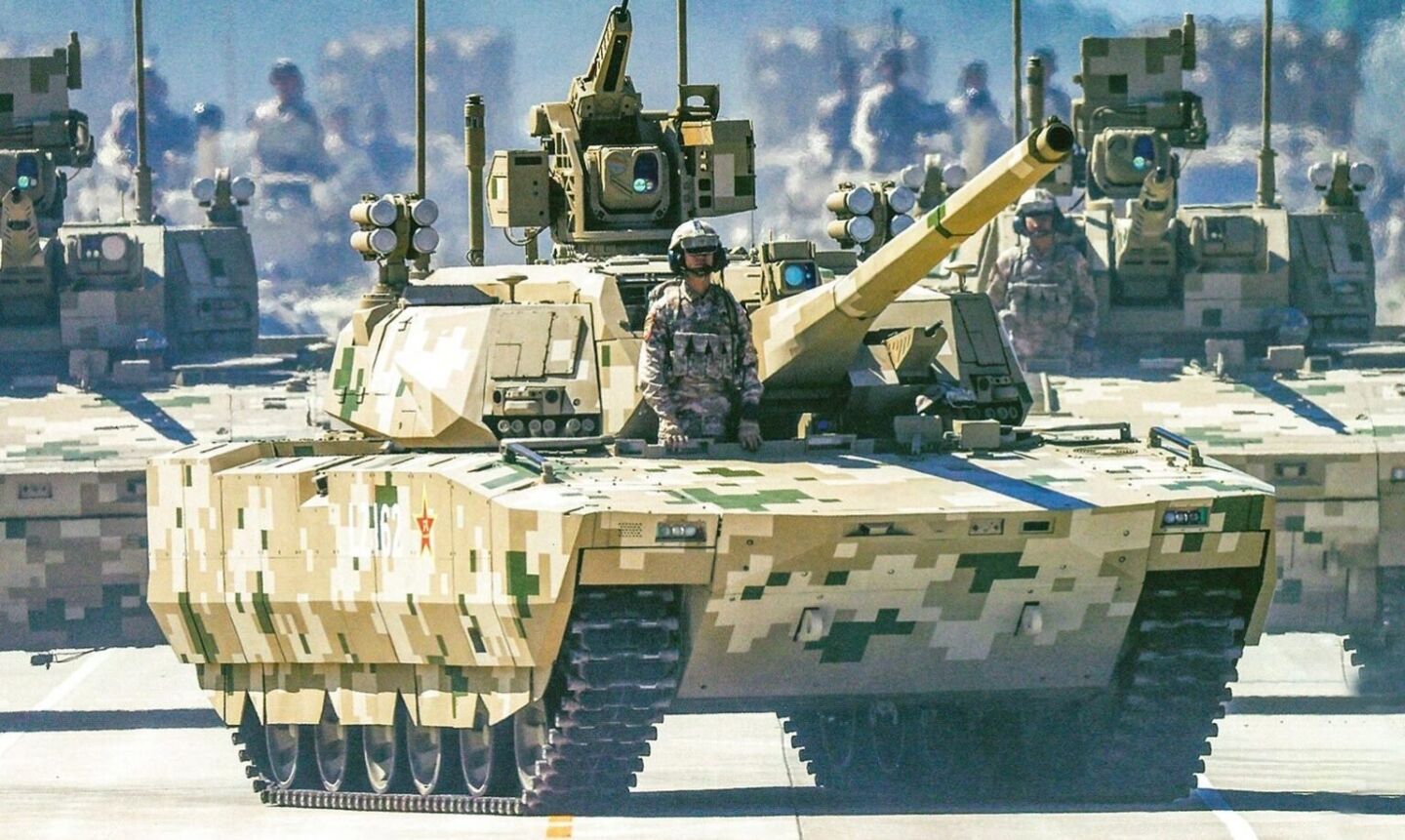
The Type 99A and Type 99B until 2025 formed the most elite units in the Ground Force, with the design having being developed as a heavier and better armoured counterpart to the Type 96 and Type 15 tanks. The type was in 2025 succeeded by the Type 100, which is the world first tank of the next generation to enter service. Although both the Type 96 and Type 99 are equipped with a 125 mm smoothbore guns, the Type 99 benefits from a more advanced fire control system including higher-quality thermal sights, allowing it to detect, track, and engage targets more effectively, particularly while moving or engaging from longer ranges. The tank has no equivalent in Russian service. In March new footage released by Chinese state media showed that the Type 99 had been modernised to integrate a drone control console, highlighting ongoing modifications to adapt to the changing nature of ground warfare.
