
First Russian Mi-28 Attack Helicopters Land in Iran: What New Capabilities Do They Provide?
Military Watch Magazine Editorial Staff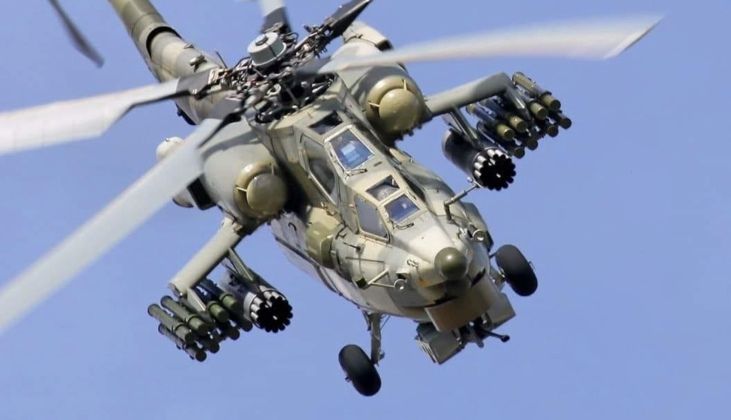
Mi-28 Attack Helicopter
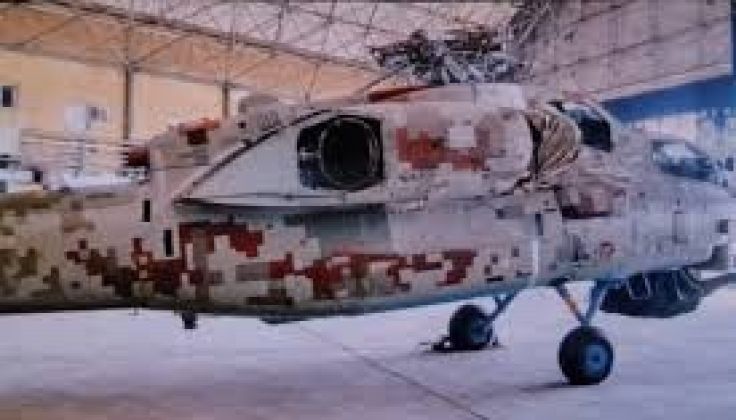
An image from Iran has confirmed the delivery of the first Mi-28NE ‘Night Hunter’ attack helicopter to the country, marking the first time Russia has delivered one of the most capable combat aircraft of any type to its southern neighbour. The aircraft was seen in Iranian Armed Forces colours, although questions remain regarding whether it was procured for the Army or the Revolutionary Guard Corps, which both operate helicopters for combat purposes. Iranian Deputy Defence Minister Brigadier General Mehdi Farahi in November 2023 confirmed plans to introduce the Mi-28 and the Su-35 air superiority fighter into service, with the first Su-35s now expected to arrive before the fourth quarter of the year. Three Mi-28 are reported to have arrived in the Iran, although the full size of the order remains unknown.
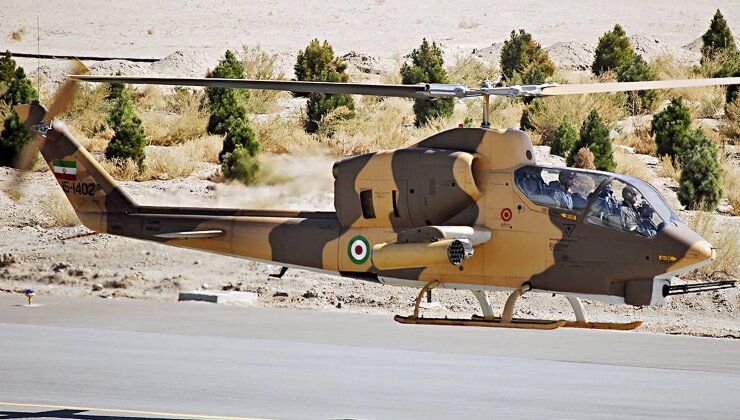
The Mi-28’s capabilities provide a revolutionary improvement to the Iranian fleet, which although large, is entirely reliant on obsolete Vietnam War era designs supplied by the United States in the 1970s. The aircraft is one of the newest attack helicopter types fielded anywhere in the world, and was developed as a direct successor to the late Soviet era Mi-24, which is considered a broad equivalent to the Western world’s most capable combat helicopter the AH-64 Apache. While the United States invested in modernising the Apache rather than developing a new attack helicopter type, Russia invested heavily in developing both the MI-28 and the Ka-52 as clean sheet 21st century designs, providing distinct advantages over their overseas rivals.
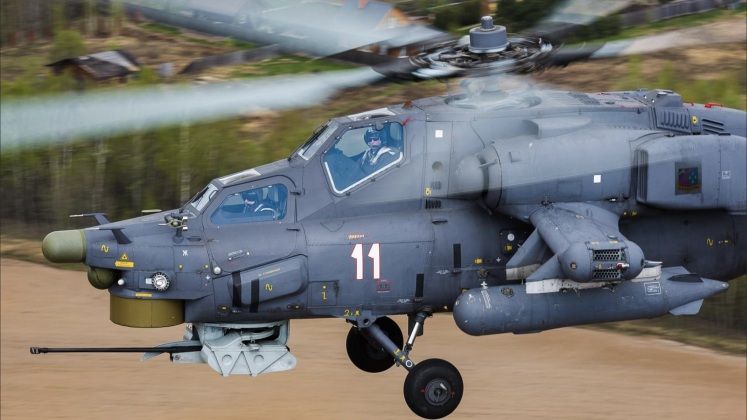
The latest variant of the Mi-28, the Mi-28NM, was first combat tested in Syria from 2016, with its performance in the theatre thought to have been a major factor influencing the Defence Ministry to sign contracts for the supply of 98 more aircraft by 2027. Improvements included integration of VK-2500P engines, a 13 percent speed increase, and integration of new sensors providing all-round visibility, as well as upgrades to fire controls and air-to-air capabilities. The aircraft can each carry up to 16 anti-tank missiles or 80 80mm rockets, and have an unrivalled flight performance including an ability to fly backwards. The Mi-28’s capabilities have been intensively combat tested in the Ukrainain theatre, while Iranian forces previously gained experience operating alongside them when Iranian and Russian forces both deployed to Syria to support Syrian government counterinsurgency efforts from 2015.
Beyond operations in Syria, Iranian forces previously operated closely alongside the Iraqi Army in the mid-2010s, at a time when Iraq fielded its own Mi-28s. Iraq and Algeria were previously the only foreign operators of the aircraft, with the less costly Mi-24 having gained a significantly larger share on foreign markets with over 50 countries operating it. An Iranian Mi-28 fleet was previously expected to be deployed to support allied forces on the ground in Syria, although the overthrow of the Syrian government in December 2024 by Western, Turkish and Israeli backed Islamist paramilitary groups ended any such prospects. As Iran faces a significantly less favourable security situation, and a high possibility of attacks by the United States, the Mi-28 may provide an effective means for Iranian units to counter Western-backed paramilitary groups on the ground. Anti-government paramilitary units previously extensively targeted the Iran’s critical infrastructure and its air defence systems using Western and Israeli supplied weaponry during hostilities in June.
