
Russian Defence Ministry Confirms ‘Severe Financial Constraints’ Due to Wartime Expenses: How is it Prioritising Funding?
Military Watch Magazine Editorial Staff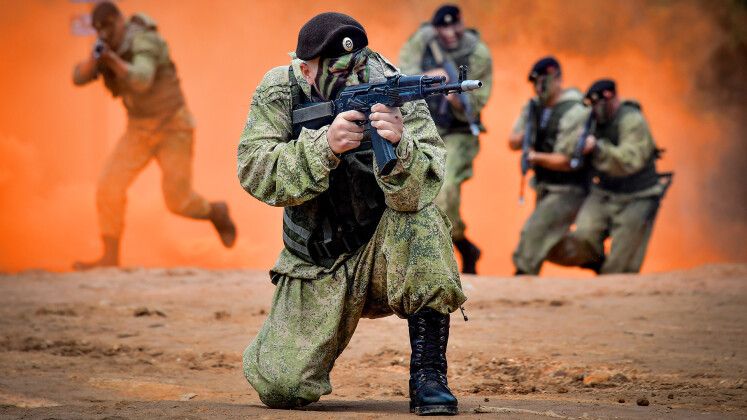
Russian Naval Infantry During Exercises
Russian Defence Minister Andrey Belousov has confirmed at the Defence Ministry's final board meeting that it has been operating under austerity due to the significant expenses incurrent by the ongoing war effort against Ukraine and its strategic partners. "In 2025, the Defence Ministry operated under severe financial constraints related to the federal budget's capacity. However, military operations led to an increase in military spending. All of this required strict optimisation and prioritisation of the military budget and a restructuring of the internal mechanisms for its planning and execution," the minister said. “Austerity measures were applied" to expenses not directly related to military operations he added, elaborating, “some expenditures were deferred to later dates. Others were reduced. This made it possible to reduce the overall value of such expenditures as a share of GDP from 2.7% in 2024 to 2.2% in 2025.”
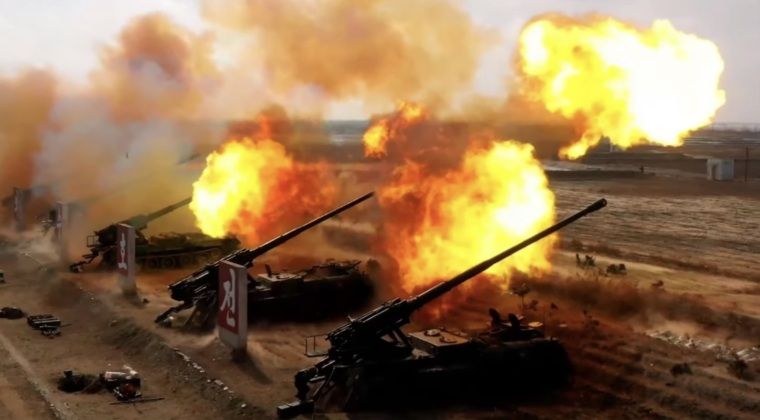
The Russian Defence Ministry had faced a significant decline in its budget from the mid-2010s, as economic growth rates fell well below planned levels in large part due to the low prices of fossil fuels. Although priority areas of the armed forces including ground-based air defences, submarines, and the country’s nuclear forces were allocated particularly generous funding, funding for procurements of conventional armaments remained limited. The Russian Defence Ministry is today forced to split funding between the immediate needs of operations in the Ukrainian theatre, the requirements for confrontation with NATO members as tensions escalate across multiple theatres, and the financing of future research and development to maintain the country’s military standing. The Russian state treasury has nevertheless long run maintained budget surpluses, allowing it to accumulate large reserves, which could potentially be used to further expand defence spending.
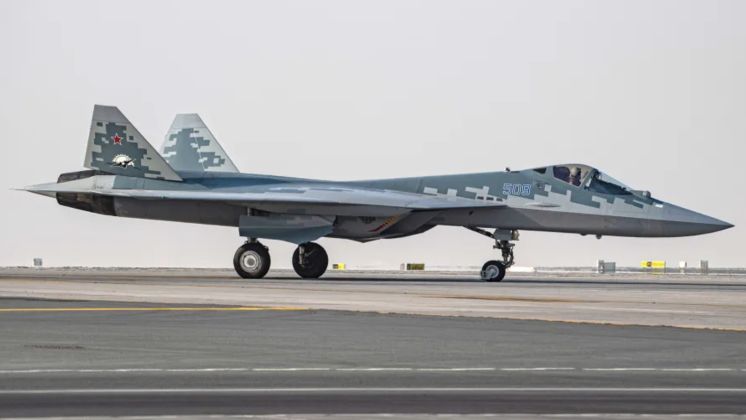
Commenting on the management of the defence budget, First Deputy Defence Minister Leonid Gornin recently revealed that a system for monitoring the execution of military expenditures had been created to allow for the reallocation of more than 860 billion rubles ($10.7 billion) in 2025 for the procurement of priority armaments. It did so by optimising both state defence procurement assignments and expenses. Russia has otherwise generated revenues for the defence sector through arms exports, and in 2025 managed to achieve an increase in export revenues over 2024, following decline from 2022-2024 as available armaments were prioritised for use in frontline operations. Significant successes have included major fighter export deals to Algeria, Iran and Ethiopia, all of which were unknown before this year, with deliveries of both Su-35 and Su-57 fighters to Algeria having begun in February and November respectively. Russia has nevertheless also emerged as a defence importer to an unprecedented extent, with North Korea having supplied tens of billions of dollars’ worth of equipment, while China and Iran have supplied niche armaments on much smaller scales.
