
Russia to Create Twenty New Military Units on Western Borders to Counter NATO Force Buildup
Military Watch Magazine Editorial Staff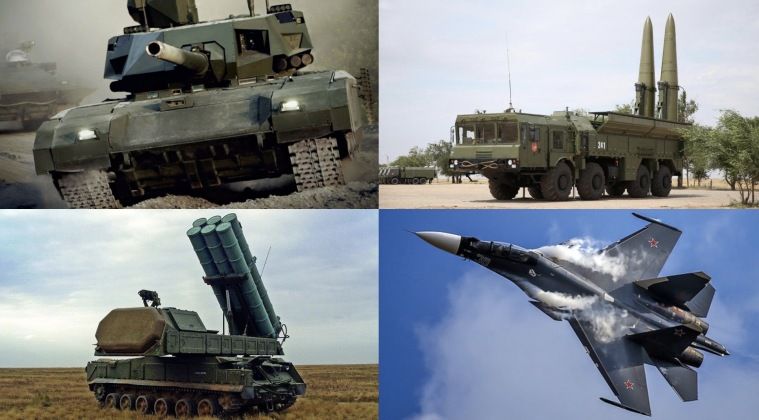
Russian T-14 Tank, Iskander Missiles, Su-30SM Fighter, BuK-M3 SAM
Russian Defence Minister Sergei Shoigu announced on May 31 that the Defence Ministry will create approximately 20 new formations and military units in the country’s Western Military District before January 2022, with forces in the district expected to receive around 2,000 units of equipment. The Russian Military is divided between five districts, with the Western one long having been a top priority for receipt of new armaments as it faces the bulk of NATO forces in Europe. The country’s Southern and Eastern districts have also received a greater share of attention in recent years - the former due to the addition of Crimea to its territory in 2014 and the fall of Ukraine to the Western sphere of influence, and the latter due to the Obama administration’s ‘Pivot to Asia’ initiative and the region’s emergence as the centre of the global economy.
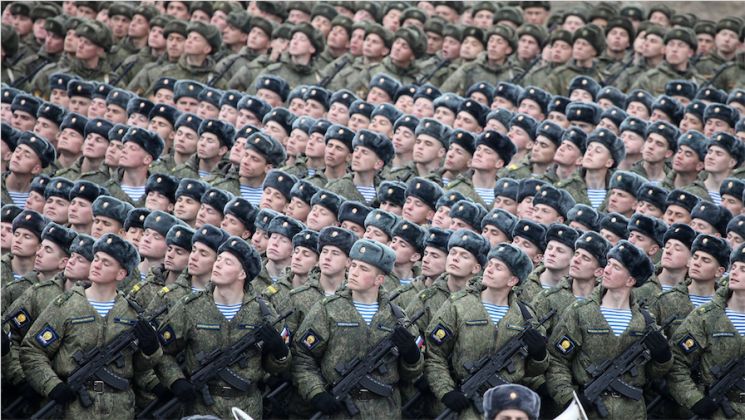
Regarding the arming of he Western district, Shoigu elaborated at a defence industry meeting: "The actions of our Western colleagues destroy the global security systems and force us to take adequate countermeasures. We constantly upgrade the combat composition of our troops. By the end of the year, around 20 new formations and military units will be created in the Western Military District… The situation in the western strategic direction [of Russia] is characterised by an increase in military threats. Over the past seven years, the intensity of flights of the U.S. Air Force strategic bomber aviation in Europe has increased 14 fold.”
While Soviet Russia had maintained not only a much larger territory, population and economy relative to the Russia Federation today, as well as a large sphere of influence in Eastern Europe in the form of the Warsaw Pact, Moscow’s security situation deteriorated sharply from the late 1980s as most of the Warsaw Pact and a significant portion of the former USSR were absorbed into a fast-expanding NATO. This has forced Russia to rely much more on asymmetric assets to counter potential threats from a united NATO attack. Russia's ability to man new military units has been called into question due to a downsizing of personnel numbers and a general demographic decline, although this has been compensated for by a greater reliance on more automated weapons systems, artificial intelligence and unmanned weaponry - as well as new classes of weaponry which are less maintenance intensive.
