
Russia to Commission New Yars and Avangard Hypersonic Missile Units to Enhance Intercontinental Range Strategic Deterrence
Military Watch Magazine Editorial Staff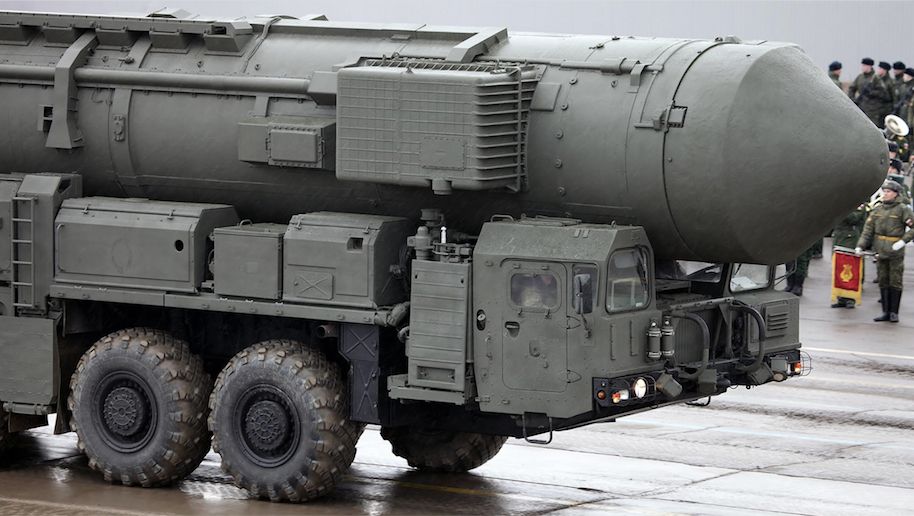
RS-24 Yars ICBM
Russia’s Strategic Missile Forces have announced plans to induct three new missile units armed with RS-24 Yars intercontinental range ballistic missile (ICBM) complexes and one unit with the Avangard hypersonic glide vehicles by the end of the year. A official statement to this effect read: "By year's end, the RVSN (Strategic Missile Forces) will receive over 90 units of armaments, military, and specialized equipment, which will allow for their deployment to combat-duty missile units armed with the Yars mobile ground missile complex … in the Yoshkar-Ola, Irkutsk and Barnaul missile formations, two stationary launchers in the Kozelsk missile formation, as well as a missile unit armed with an Avangard strategic missile complex for the Yasny missile formation.” Russia’s Defence Ministry has further noted that the country’s Strategic Missile Forces would receive more than 30 new ICBMs by the end of the training year - which comes as part of an effort to phase older missile designs out of service. The end of 2019 would thus see the share of modern missile systems in service with the Strategic Missile Forces rise to 76 percent - enhancing the country’s deterrence capabilities at a time of high tensions with the Western Bloc.
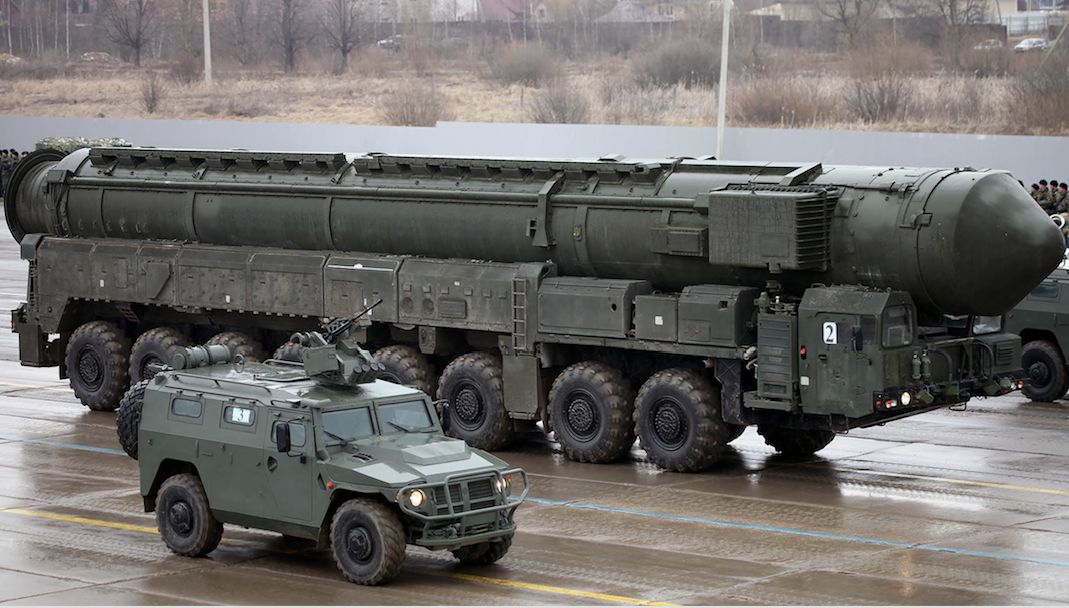
An acquisition list published by the Defence Ministry indicates that Russian military is planning nine test launches of intercontinental range ballistic missiles in the three years from 2019 to 2021 - including missiles of many various types. The RS-24 Yars was first tested in May 2007, and entered production on 2010. It is intended to replace the ageing Soviet R-36 and UR-100N platforms. The missile system retains a high degree of mobility, is capable of impacting at speeds of Mach 20, carries multiple thermonuclear warheads and is accurate to within 150-250 meters - allowing it to strike at the heart of an adversary's population centres such as Washington D.C. or New York City. Perhaps the Yars’ greatest improvement over previous platforms, however, is its high road mobility and solid fuel composite which seriously enhances its survivability. The vast majority of Yars missile units are mobile, with a few silo based missile units also in service. 109 missiles were reported in service as of Mach 2019, and these are currently deployed by five separate divisions of the Russian Strategic Missile Forces across the country.

The Avangard hypersonic glide vehicle completed testing in December 2018, demonstrating a high level of precision and manoeuvrability and an extreme speed. The glide vehicle was successfully test fired on December 26th from the Dombarovsky site in southern Russia's Orenburg, and has since been placed into production for the Strategic Missile Forces. The platform do not carry multiple warheads, but deploy a single very large thermonuclear warhead of over two megatons - enough to destroy a major city. This payload is over 130 times that which levelled Hiroshima in August 1945. The Avangard has demonstrated speeds of Mach 27, making it the fastest missile in the world. The platform’s considerable cost means it will be deployed in relatively small numbers, though even a small arsenal of these missiles is considered sufficient to deter aggression given its capabilities and the near total impossibility of interception.
