
Russia Permanently Stations Its Most Powerful Nuclear Combat Ship at Strategic Arctic Facility: Admiral Nakhimov Positioned For Submarine Defence
Military Watch Magazine Editorial Staff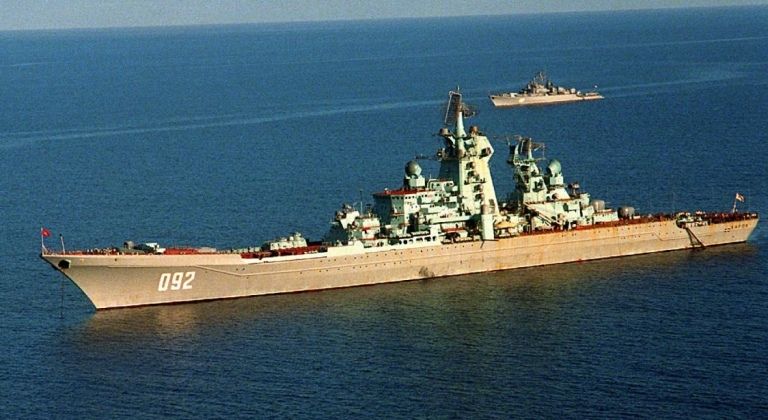
Russian Kirov Class Nuclear Powered Cruiser
Following confirmation on June 26 that the Russian Navy’s sole refurbished Kirov class nuclear-powered missile cruiser Admiral Nakhimov returned to its home port of Severomorsk after 29 years out of service for refurbishment, the role of the remote Arctic facility now hosting the country’s premier surface combat ship has gained significant attention. Severomorsk is the headquarters and principal surface fleet base of the Navy’s Northern Fleet, located on the eastern shore of Kola Bay, and is a closed military city meaning that all civilian access is tightly restricted. This reflects the city’s outstanding strategic importance, as it hosts some of Russia's most vital important naval facilities, including the command of the Northern Fleet.
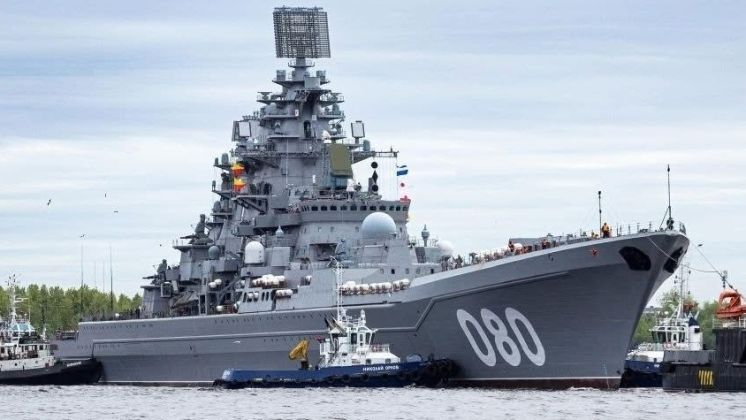
Although it lies well above the Arctic Circle, the warm North Atlantic Drift provides Severomorsk with year-round ice-free access to the sea, and keeps Kola Bay navigable throughout the winter. This gives the Navy direct access to the Atlantic Ocean without seasonal ice restrictions, with surface warships like the Admiral Nakhimov able to sail into the Barents Sea almost immediately after leaving port. Geography further reinforces Severomorsk's importance. From the Kola Peninsula, Russian warships can rapidly reach the Greenland-Iceland-United Kingdom Gap, which is a key maritime choke point between the Arctic and the North Atlantic. During the Cold War, Soviet naval strategy envisioned Kirov class cruisers leading task groups through this region to challenge NATO carrier forces and threaten Atlantic sea lines of communication.
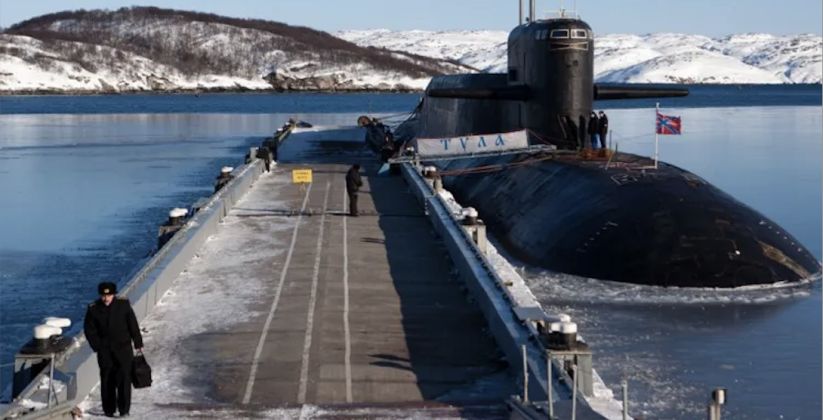
Severomorsk is the command centre of Russia's Northern Fleet, and occupies a central role in supporting the country's sea-based nuclear deterrent, with most of Russia's ballistic missile submarines based at nearby naval facilities. The city serves as the headquarters from which their operations are directed, making it one of the most strategically important naval locations in Russia. The base also sits at the entrance to Russia's "bastion" defence zone in the Barents Sea, which envisages protecting ballistic missile submarines within heavily defended waters close to the Kola Peninsula. These bastions are covered by layered defences including submarines, surface warships, naval aviation, coastal missile batteries, and long-range air-defence systems, with the objective of ensuring that Russia's ballistic missile submarines can survive long enough to guarantee a retaliatory nuclear strike under any circumstances. The Admiral Nakhimov’s advanced air defence, anti-submarine warfare, and anti-shipping capabilities make it a potential central contributor to such defensive operations.
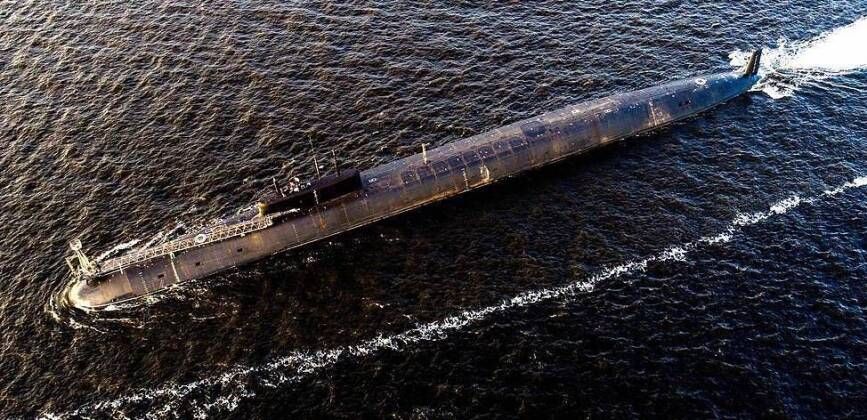
Alongside the role of escorting planned Soviet aircraft carrier groups, which Russia no longer fields, primary roles for which Kirov class cruisers were developed include seeking and destroying NATO carrier groups, protecting Soviet ballistic missile submarine bastions, and conduct long-range operations in the North Atlantic. These missions all centred on the Northern Fleet during the Cold War, making Severomorsk the natural home port for the nuclear powered combat ships. The importance of protecting the sea-based nuclear deterrent in particular has been a key factor in the decision to prioritise Russia's most capable surface combatants for deployment under the Northern Fleet. Stationing the Admiral Nakhimov at Severomorsk also reflects the Russian Defence Ministry’s strong prioritisation of its strategic nuclear forces in the post-Cold War era over most areas of its conventional forces, which has resulted in the ballistic missile submarine fleet not only being exceptionally well protected, but also rapidly receiving new warships and new generations of ballistic missiles.
