
Russia Finally Produces a Competitive Lightweight Fighter: Yak-130M Boasts AESA Radar and Advanced Weaponry
Military Watch Magazine Editorial Staff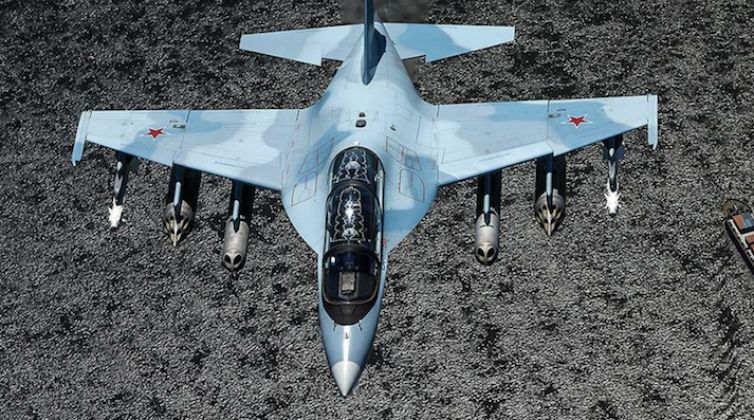
Russian Yak-130 Fighter-Trainer
Following the first flight of Russia’s long awaited next generation fighter-trainer, the Yak-130M, on June 25, expectations have grown that the aircraft will belatedly provide the country with a viable competitor in the world’s fast growing markets for lightweight tactical combat jets. While the Yak-130’s development revolutionised the combat training capabilities of the Russian Aerospace Forces and the services of multiple clients around the world, the Yak-130M’s design focuses more on enhancing its combat potential, which was previously only a secondary focus of the program. The new enhanced variant appears much better suited to frontline combat duties, including air-to-air, counter-drone, and precision strike operations.
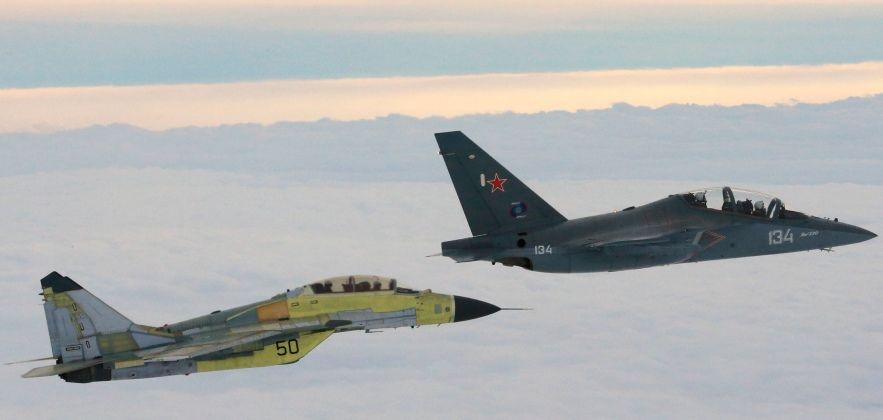
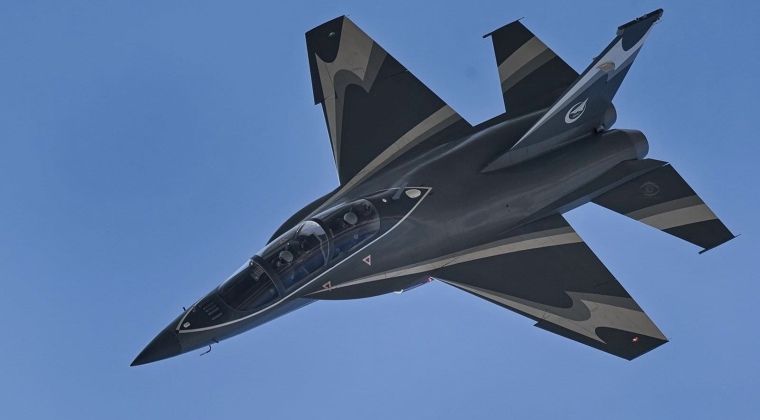
Lightweight fighters are highly prized for their low maintenance needs and operational costs, allowing them to be sustained at high availability rates and operated in much larger numbers than heavier aircraft. China, South Korea and Sweden have effectively marketed ‘4+ generation’ lightweight fighters for frontline operations, most notably the Chinese JF-17 Block 3 and JL-10, the South Korean FA-50, and the Swedish Gripen E/F, which are capable of outperforming fourth generation medium weight and heavyweight fighters with twice or more their engine power and far higher sustainment costs. This has been achieved by compensating for the aircraft’s small radars and limited weapons payloads and flight performances with the integration of cutting edge avionics and weaponry.
A major advantage of the Yak-130M over the baseline variant is the integration of the BRLS-130R active electronically scanned array (AESA) radar, which provides genuine air-to-air and air-to-surface detection capability, moving it much closer to a lightweight fighter than a pure trainer. The radar is paired with the new SOLT-130K electro-optical targeting system, creating a sensor suite far more advanced than that of earlier Yak-130 variants, and together enable effective use of a wide range of precision-guided air-to-surface munitions. This major upgrade to the aircraft’s sensors, combined with parallel advances to data links and other avionics, has significantly narrowed if not totally bridged the gap in combat capabilities between the Yak-130 and rival Chinese, Korean and Swedish light fighters.
The integration of advanced radars is critical for competitive light fighters, as sophistication heavily compensates for their small sizes, allowing for a degree of situational awareness and providing beyond visual range engagement capabilities that could previously only be achieved by much heavier aircraft with larger radars. Complementing the integration of new sensors, the Yak-130M is expected to integrate R-77-1 and possibly R-77M air-to-air missile to provide an effective air-to-air capability, mirroring the integration of the PL-15 on the JF-17 Block 3, the PL-12 on the JL-10, the AIM-120 on the FA-50, and the Meteor missile on the Gripen E/F. Combined with the BRLS-130R radar, these missiles will make the aircraft significantly more capable in air-to-air combat than much more costly but older fighter types such as the Su-27S and F-15C/D.
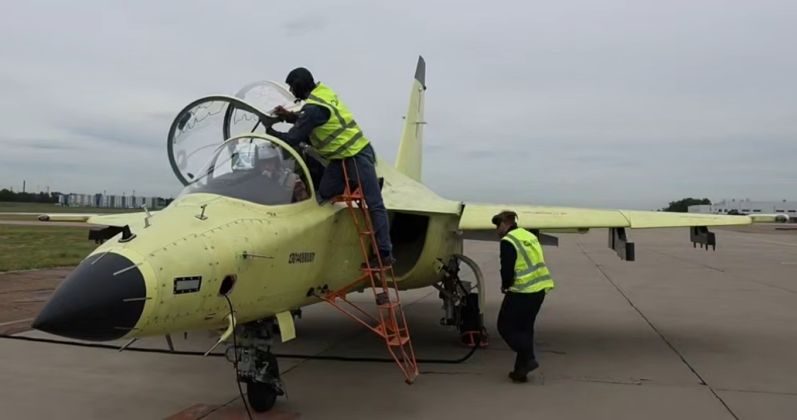
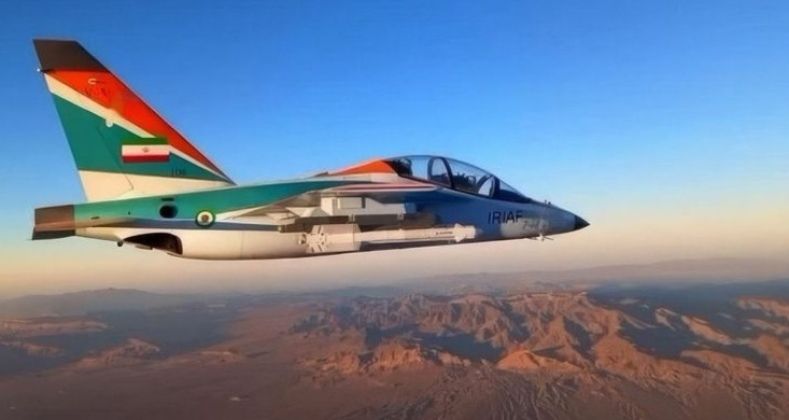
The Yak-130M’s development has significant implications both for Russia’s own defences, and for the country’s position on global export markets. The fighter’s low sustainment costs could allow the Russian Aerospace Forces to significantly expand its frontline combat fleet to respond to its wartime situation. Furthermore, it could allow the service to phase its large fleet of obsolete unmodernised MiG-29A fighters out of service, significantly reducing sustainment costs while simultaneously providing a much more effective combat capability. On export markets, the Yak-130M may compete on a near peer level with rivals such as the JF-17 Block 3 and FA-50, while potentially providing a means for less economically developed strategic partners such as Laos or and Burkina Faso to begin fielding modern fighters affordably and without complex maintenance needs.
