
Russia and Turkey Sign Contract for Second Batch of S-400 Missile Systems: Su-35 Fighters to Follow?
Military Watch Magazine Editorial Staff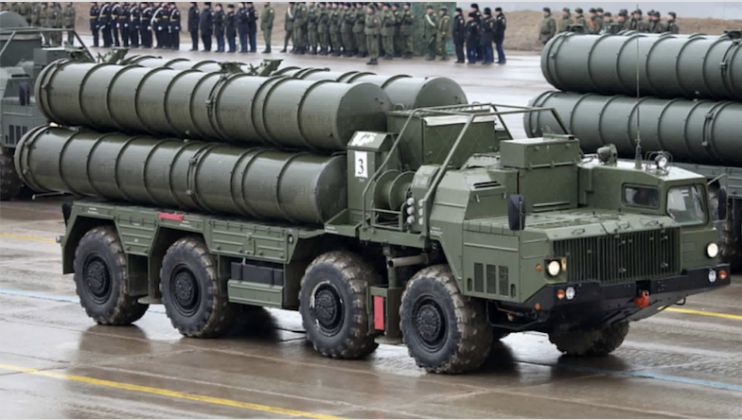
S-400 Missile Battery
Russia and Turkey have singed a contract for the delivery of a second batch of S-400 long range surface to air missile systems, and are currently discussing the financial arrangement of implementing the contract - according to the Head of Russia’s state arms exporter Rosoboronexport, Alexander Mikheyev. The signing was first reported by Russian state media on August 23rd, and follows the signing of a first deal in September 2017 worth $2.5 billion which included technology transfers to the Turkish side. It remains uncertain whether the second contract will include similar transfers of technology, but it is likely that if they are not included the final cost will be lower. Turkey received its first S-400 batteries late in 2018, and while it has tested them multiple times to track its U.S.-provided F-16 and F-4 fighters it has delayed activating them. The S-400 is one of Russia’s most advanced long range multirole air defence systems - alongside the newer and more mobile S-300V4 and the upcoming longer ranged S-500 which is designed for strategic and space warfare.
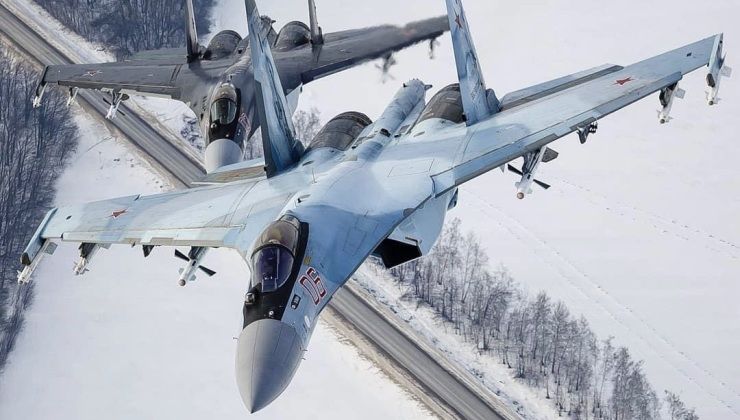
Activation of Turkey’s first S-400 battalion was initially scheduled for March 2020, although the threat of American economic sanctions is thought to have delayed this. Turkey is also considering contracts for Russian fighter jets, having reached an advanced stage in negotiations for Su-35 heavyweight air superiority platforms - with the newer Su-57 and lighter MiG-35 reportedly also under consideration. Russia has also offered to provide Turkey with assistance in its indigenous TF-X fighter program, which the Turkish technological base is currently considered poorly placed to see through without significant external support. Turkey has notably scarified access to the American F-35A fifth generation lightweight fighter, having previously been set to acquire over 120 of the jets, with the deal blocked by the U.S. and F-35 jets built for Turkey subsequently appropriated for use by the U.S. Air Force itself in response to the Turkish S-400 acquisition.
