
Rushed to the Frontlines; Russia Accelerates Induction Plans for New Su-57 Fighters for the Second Time in Two Months
Military Watch Magazine Editorial Staff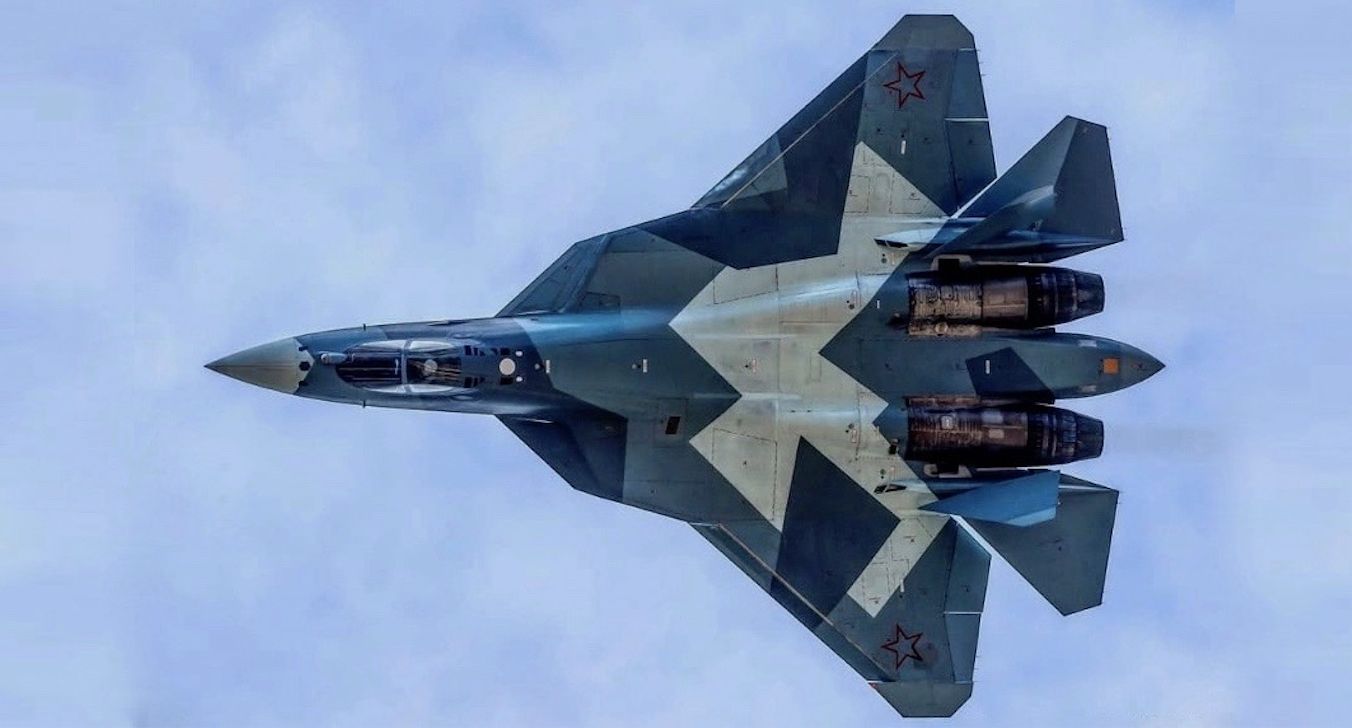
Su-57 Fifth Generation Air Superiority Fighter
Russia has reportedly accelerated plans for induction of the Su-57 air superiority fighter into service, with the new combat jets now expected to be deployed in large numbers by the mid 2020s . Russia’s Minister of Industry Denis Manturov stated to this effect on June 27th at the Army 2019 Forum that the military would receive 76 aircraft by 2028. Deputy Defense Minister Alexei Krivoruchko also told reporters that this number of fighter jets will be supplied by the year 2028. Previously it was announced that the Russian Defence Ministry had signed a contract for just twelve fighter jets, which alongside under 10 combat capable prototypes would provide a very small fleet size. Russian President Putin previously announced in May that an order for 76 fighters would be placed by 2028 - a statement with a subtle but important difference from the more recent ones of the Minister of Industry and Deputy Defense Minister. Ordering 76 fighters by 2028 means that the fighters may only be delivered after the year 2030, and that full scale production may only begin by the year 2028. However, statements a month later indicate that Russia has again accelerated plans to acquire the Su-57 and plans to field at least 76 of the fighters from its serial production lines by 2028.
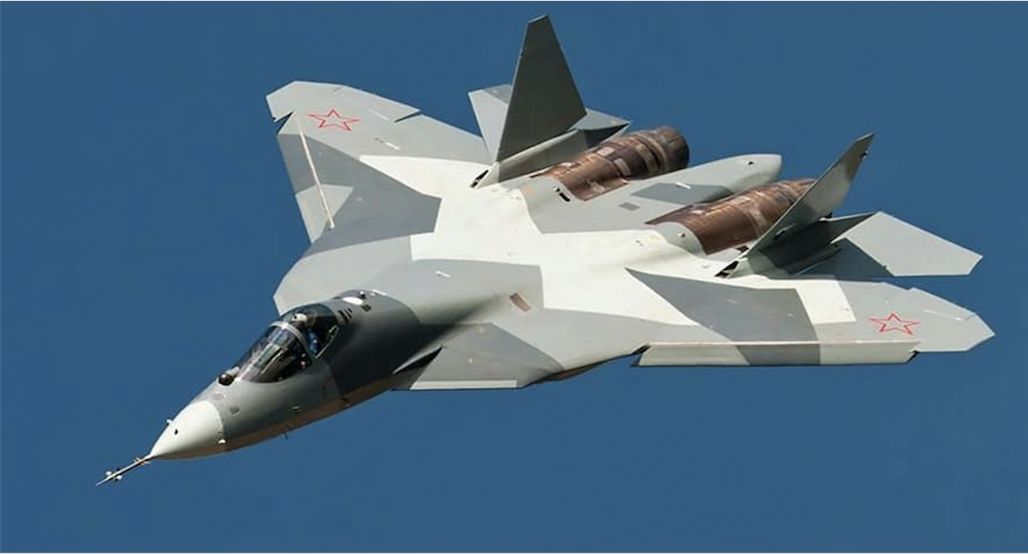
It is unclear why Russia has accelerated plans to acquire the Su-57, although there are two prominent explanations. The first is that Russia has gained new information on the development of sixth generation air superiority fighters in the United States - which are expected to be capable of comfortably outperforming existing Russian platforms such as the Su-35 and MiG-31BSM and which the Su-57 will be relied on to counter. Should the sixth generation fighters be entering service by the mid 2020s, Russia will need to deploy more Su-57 fighters and sooner. The second theory is that the accelerated acquisitions were in response to export demand - namely that a major export deal is in the making which makes the initiation of mass production more affordable. A third contributing factor was the reduced cost of the fighter which the Russian Defence Ministry was able to negotiate with the manufacturer - the state owned United Aircraft Corporation. It was announced in May that the Su-57 could be manufactured on a large scale with a flyaway cost of just $35 million. While additional costs for maintenance infrastructure and munitions are expected, this remains extremely low. It is likely that the announcement that 76 Su-57 fighters will be delivered by 2028 will not be the last time that production of the aircraft is accelerated - with orders from export clients and possible further orders from Russia's own armed forces expected.
