Republic of China Army Surging Arsenal of U.S. HIMARS Rocket Artillery
Military Watch Magazine Editorial Staff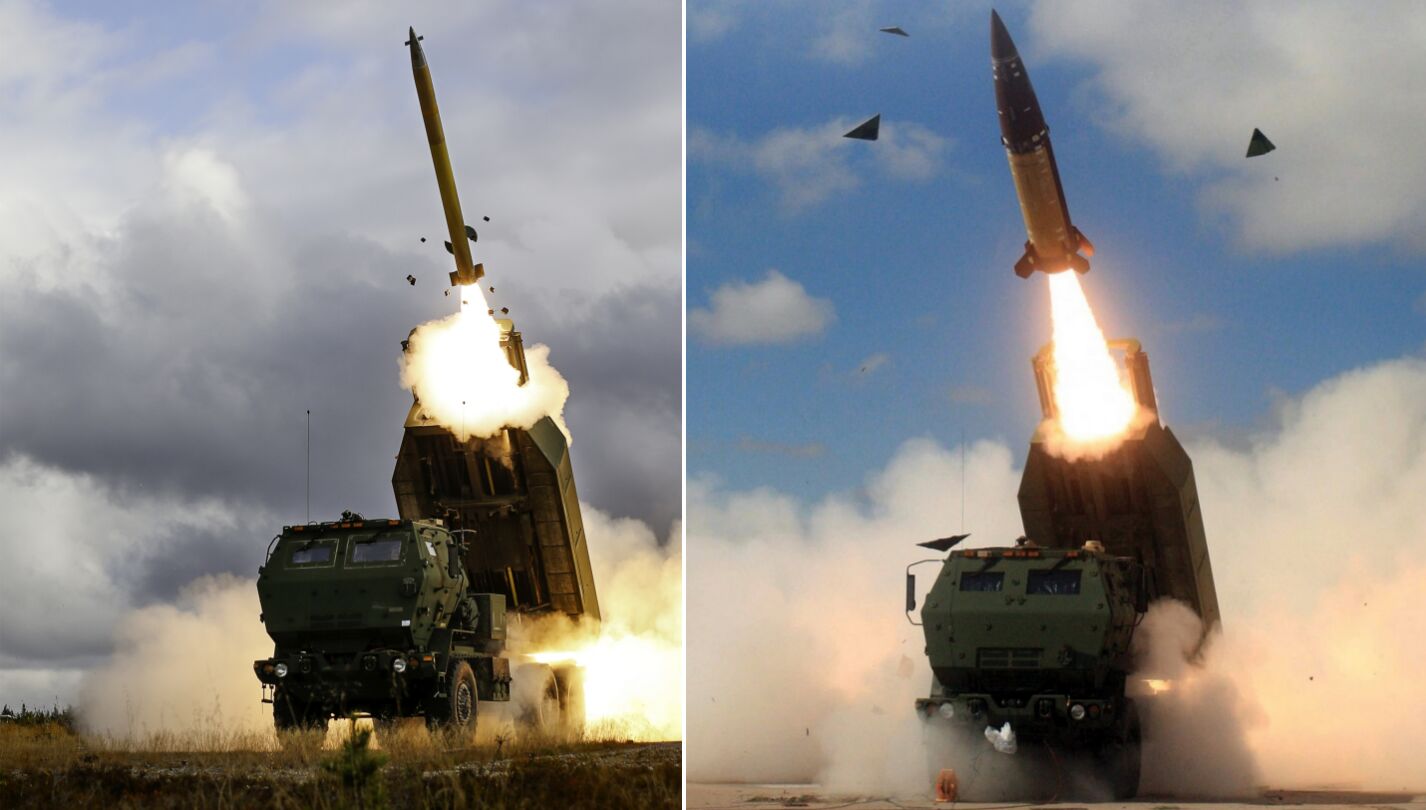
GMLRS Rocket (left) and ATACMS Ballistic Missile Launches From HIMARS System
The Republic of China Army is moving to substantially expand its arsenal of M142 High Mobility Artillery Rocket Systems (HIMARS), with planned acquisitions set to increase its total inventory from an initial 29 launchers to 111. The expansion reflects the Army’s growing emphasis on mobile, precision-guided fires as a means of strengthening its ability to resist an amphibious assault. By combining large quantities of guided rockets with longer-range ballistic missiles, the systems are intended to provide ground forces with both a coastal defence capability and the means to threaten military infrastructure across the Taiwan Strait on the Chinese mainland. The Republic of China Armed Forces based on Taiwan Island remain in a state of civil war with the Chinese People’s Liberation Army based on the Chinese mainland.
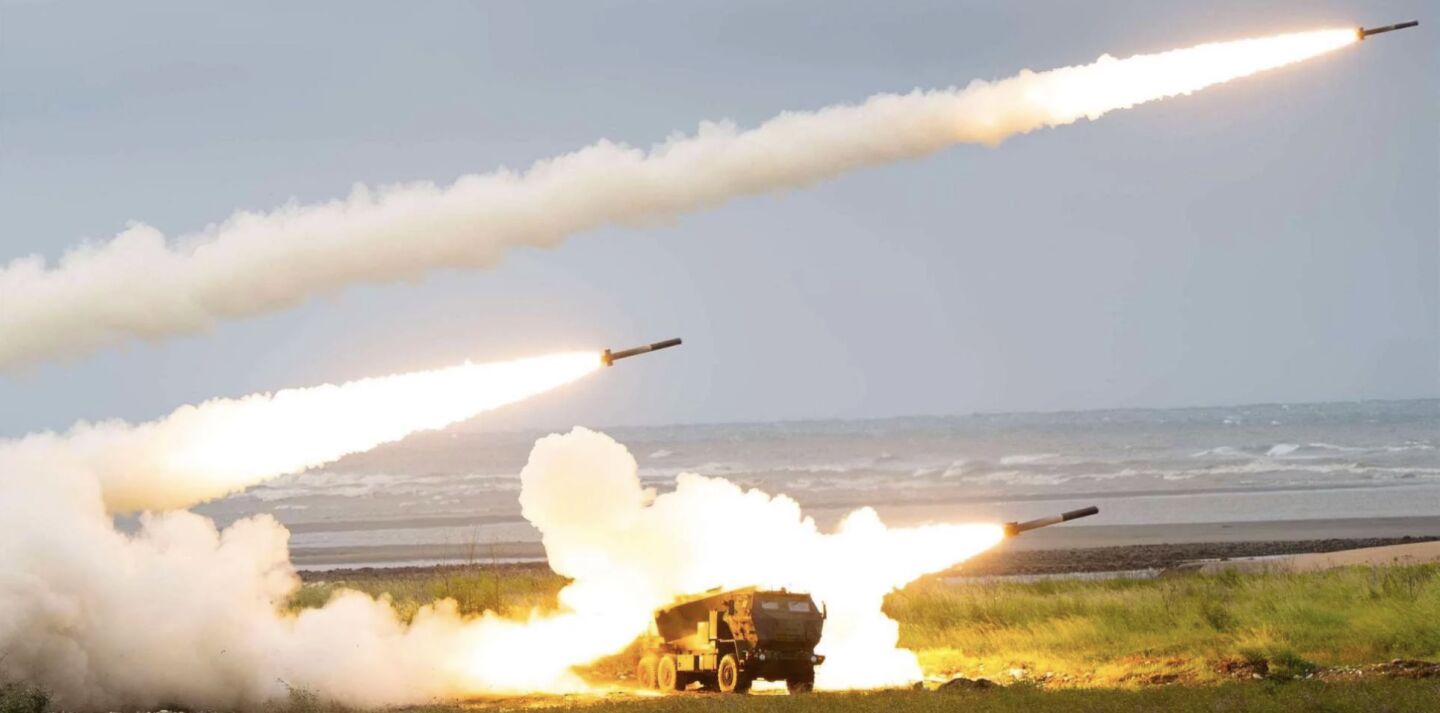
The original procurement of 29 HIMARS launchers was approved by the United States in 2020 and subsequently expanded. The Army received its first 11 systems in 2024, while the remaining 18 are expected to arrive before the end of 2026. In December 2025, Washington approved a further potential sale of 82 launchers, alongside 420 M57 Army Tactical Missile System (ATACMS) missiles and substantial additional quantities of guided rockets. The estimated value of this package was $4.05 billion. Taipei signed the relevant procurement agreements in April 2026, although the additional launchers are expected to be delivered over a longer period, with the programme extending into the early 2030s.
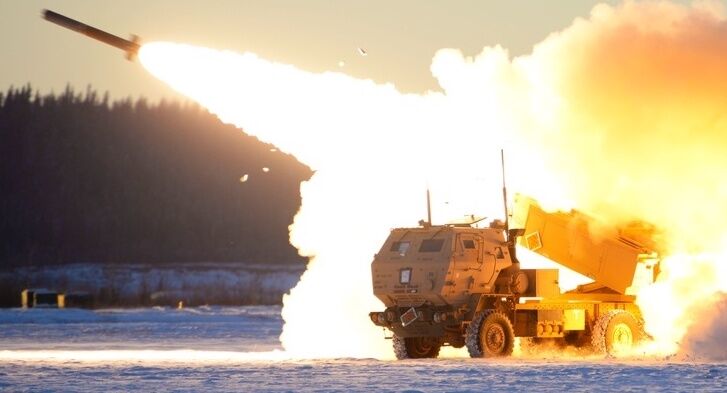
The scale of procurements of HIMARS and ATACMS has made it one of the most significant expansions of the Republic of China Army’s long-range strike capabilities in the service’s history. The establishment of a Joint Firepower Coordination Centre in Taipei in January 2026 has allowed U.S. forces to select targets and overseen the planning of strikes using Republic of China HIMARS and ATACMS against targets on the Chinese mainland, which has further raised controversies regarding sales. The advanced capabilities of mainland China’s multi-layered air defences, however, have raised questions regarding whether ATACMS will be effective, particularly when considering the multiple successful interceptions which Russia’s less capable air defences have achieved against the missiles in the Ukrainian theatre.
The geographical characteristics of the Taiwan Strait make mobile coastal defence particularly important. Much of Taiwan Island’s eastern coastline is mountainous and characterised by steep terrain, while its western coast contains the principal concentrations of population, infrastructure and accessible approaches from the mainland. Although the number of suitable amphibious landing locations depends on the size and type of landing force considered, the relatively limited availability of beaches capable of accommodating large numbers of troops and heavy vehicles creates identifiable constraints on any invasion operation. This makes the ability to concentrate precision fire against potential landing areas an important component of Taiwan’s defensive planning.
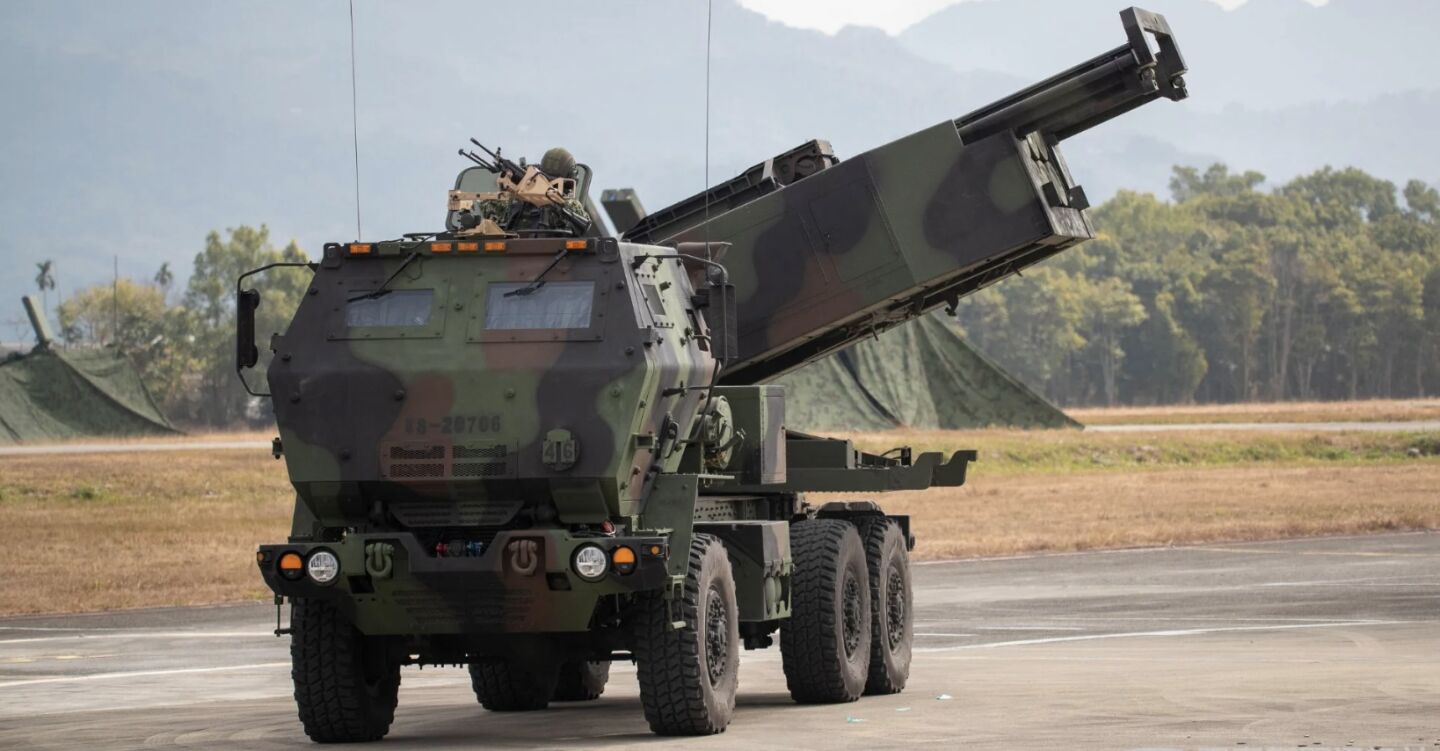
At shorter ranges, HIMARS can employ pods containing six Guided Multiple Launch Rocket System (GMLRS) rockets. The standard M31A2 unitary variant has a range of approximately 70 kilometres or more, depending on configuration, and carries a warhead weighing around 90 kilograms. Its satellite-assisted inertial guidance allows it to engage fixed targets with considerably greater accuracy than conventional unguided artillery rockets. The December 2025 procurement notification included 756 pods of the M31A2 unitary variant and another 447 pods of the alternative-warhead version, providing a substantial expansion of Taiwan’s planned precision-rocket inventory. These weapons could be used against landing forces, staging areas, logistical concentrations and other targets close to the coastline.
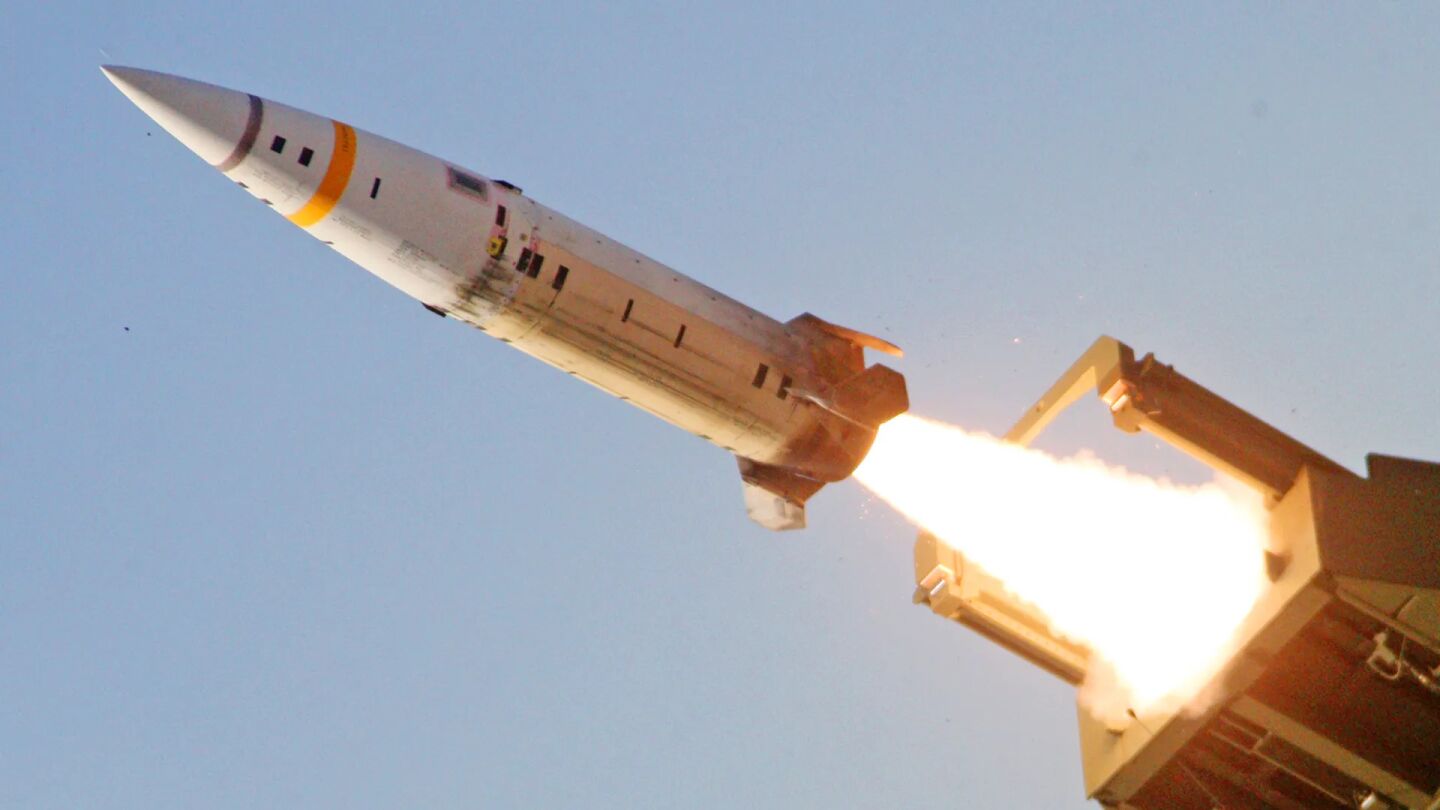
The combination of GMLRS and ATACMS gives HIMARS a degree of flexibility that is particularly relevant to the Republic of China Army’s requirements. The former provides a means of engaging targets relatively close to the island, while the latter extends the system’s reach to installations on the mainland. Nevertheless, the two weapons fulfil different roles, and their effectiveness would depend on the availability of targeting information, command networks and sufficient ammunition. ATACMS attacks against mainland installations would also take place in a heavily contested environment, where mainland Chinese surveillance, air defence and counter-strike capabilities would present substantial challenges.