
The Republic of China Army’s American ‘Super Cobra‘ Attack Helicopter Were Built for a Taiwan Strait War: Are They Already Obsolete?
Military Watch Magazine Editorial Staff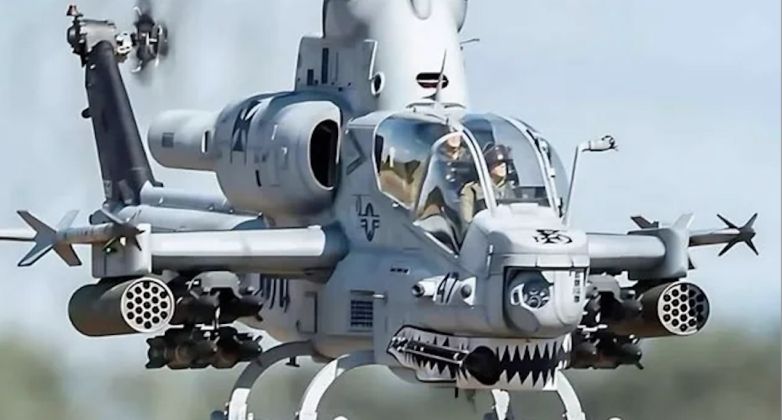
AH-1W Super Cobra
The Republic of China Army’s deployment of U.S.-supplied AH-1W Super Cobra lightweight attack helicopters for a deep-area dispersal exercise has drawn attention to the aircraft’s capabilities, which have long been overshadowed by the deliveries of heavier and more capable AH-64 Apache attack helicopters to the service. While AH-1G Cobra has been in service since the 1960s, the shift from a single engine to a twin engine design, additional of a comparability with a wide range of modern weapons types such as AGM-114 Hellfire anti-tank missiles, and addition of the Night Targeting System have revolutionised the design’s performance. Despite extensive upgrades, the AH-1W remains heavily constrained compared to modern attack helicopter types, with its two-blade semi-rigid rotor particularly compared to modern four-blade systems.
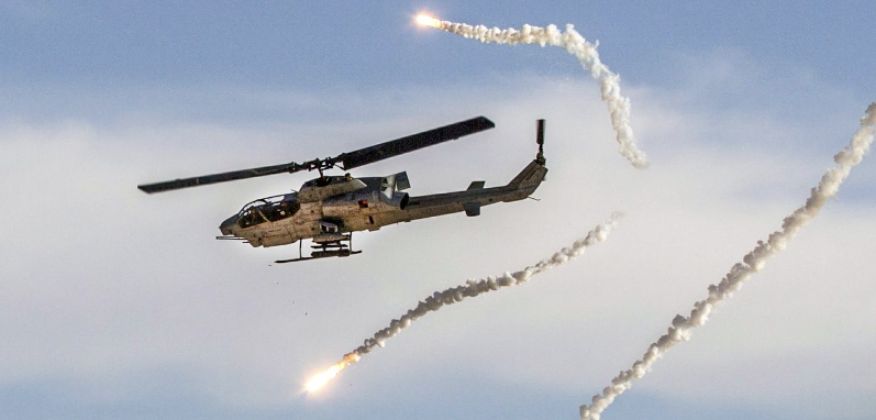
The AH-1 Cobra has formed the backbone of the Republic of China Army’s dedicated attack helicopter force for more than three decades, with the aircraft having been acquired during a period of high tensions across the Taiwan Strait. The aircraft provided the service with its first modern anti-armour helicopter capability and significantly enhanced its ability to counter a potential amphibious assault by the Chinese People’s Liberation Army, with which the Republic of China Armed Forces remain in a state of civil war. Throughout the 1990s and 2000s, the SuperCobra became a regular participant in annual Han Kuang military exercises, which simulate large-scale mainland invasion scenarios.
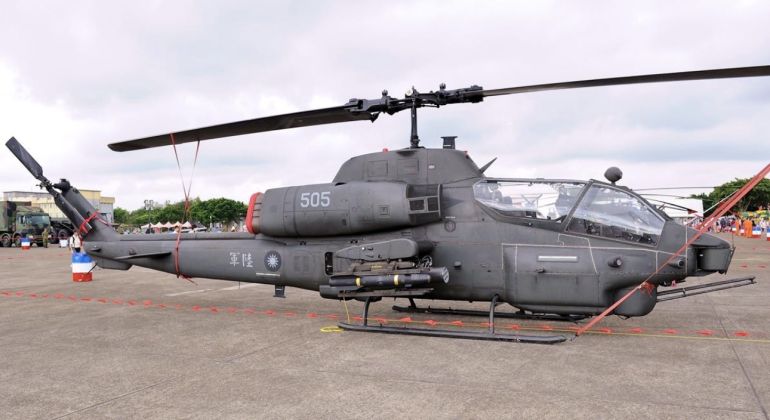
Super Cobra attack helicopters have routinely conducted anti-landing operations, coordinated with mechanised ground forces, and practised attacks against armoured columns advancing inland from the Taiwan Island’s western coastline. Over the years, the Republic of China Army has invested in maintaining the operational readiness of its SuperCobra fleet through periodic upgrades, structural inspections, and improved maintenance support. The helicopters have also benefited from enhanced training programs and closer integration with the Army’s expanding network of surveillance assets, including unmanned aerial vehicles and ground-based radar systems, enabling crews to receive more timely targeting information during exercises.
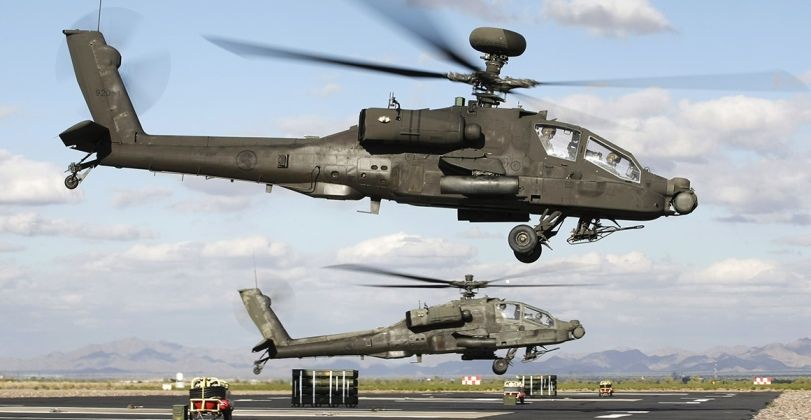
The relatively light weight of the AH-1 design seriously limits its firepower and armour protection levels, particularly when compared to the newer AH-64 Apache and the Chinese mainland’s Z-21. The SuperCobra was designed before the emergence of modern digital battlefield networking and advanced integrated air defence systems, with its targeting systems, night-fighting capability, situational awareness, electronic capabilities and defensive aids being significantly behind those of modern attack helicopters. Features such as redundant flight systems, high crashworthiness, and advanced missile warning and radar warning receivers, are largely absent.
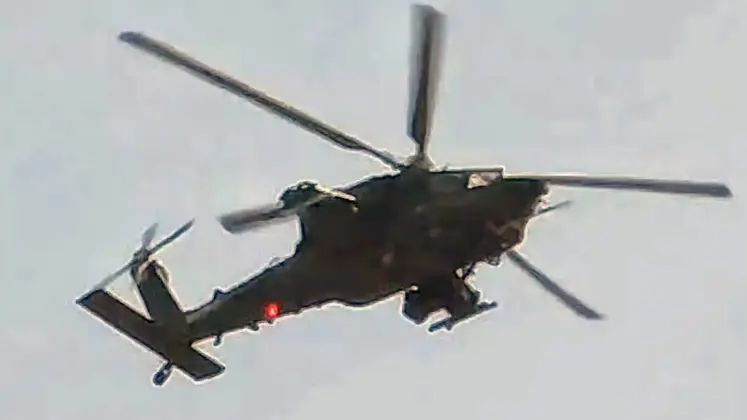
The geography of Taiwan Island works in the AH-1W’s favour, with its mountainous interior, urban environments, and relatively short engagement distances reducing some of the disadvantages associated with the helicopter’s ageing sensors. By operating at very low altitude, using valleys and ridgelines for concealment, SuperCobras can potentially still conduct ambush attacks against advancing hostile forces. Nevertheless, the aircraft have seen their survivability and effectiveness diminish considerably as the Chinese mainland has rapidly enhanced its anti-aircraft and attack helicopter capabilities, leaving the AH-1 as by far the least capable helicopter type that could operate in a potential Taiwan Strait war.
