
Republic of China Army Deploys U.S. ‘Super Cobra’ Attack Helicopters For Deep Dispersal Exercises
Military Watch Magazine Editorial Staff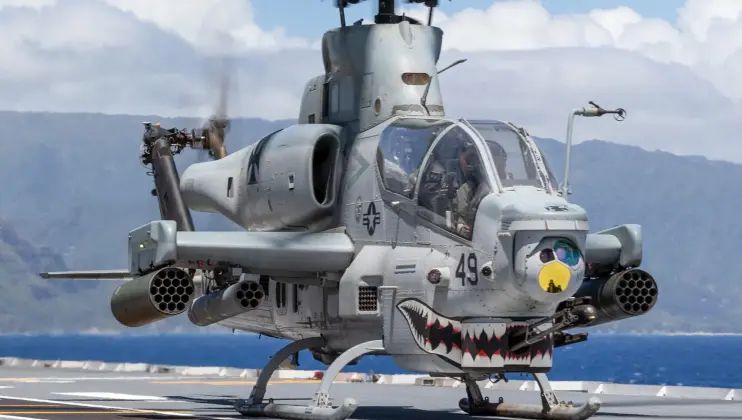
AH-1 Super Cobra Attack Helicopter
The Republic of China Army has deployed its AH-1W Super Cobra attack helicopters for a deep-area dispersal exercise within Tainan as part of the ongoing Joint Defense Exercises, demonstrating a growing emphasis on preserving combat aviation assets during the opening stages of a potential conflict. Rather than remaining concentrated at established air bases that would likely be targeted by missile strikes, the helicopters dispersed to alternative operating locations, where they landed, established temporary operating sites, and prepared to resume combat missions. The exercise centred on improving survivability.
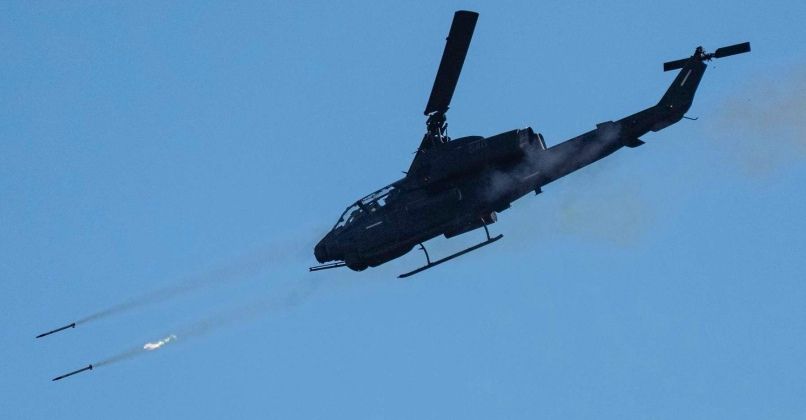
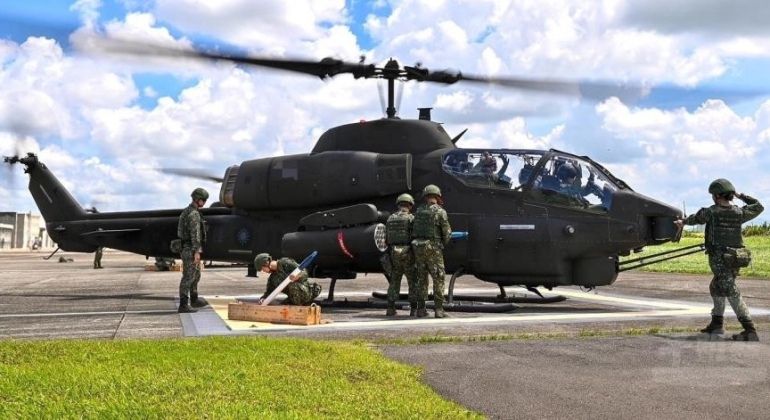
Army aviation units practised rapidly relocating aircraft from their permanent bases to dispersed sites further from the expected frontline, reducing the risk that a concentrated missile or air strike could destroy large portions of the attack helicopter fleet on the ground. Ground personnel directed the helicopters into their temporary positions, where crews carried out dispersal procedures before receiving orders to redeploy. Military officials stated that the drill was intended to validate the mobility of Army aviation formations as well as the ability of ground support units to establish and sustain temporary helicopter operating locations.
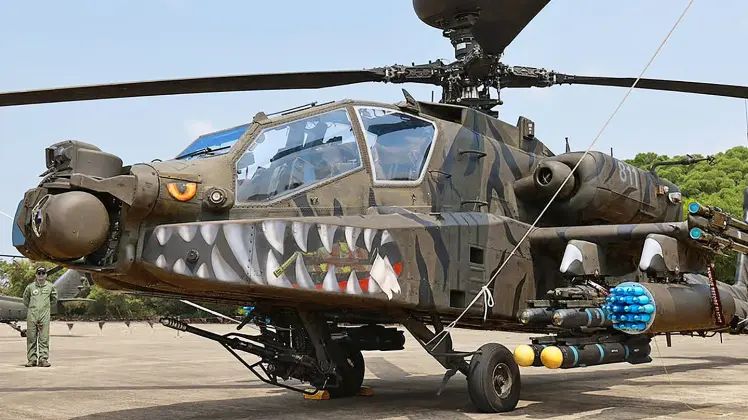
The AH-1W remains one of the Republic of China Army's principal dedicated attack helicopter types, and operates alongside the introduction of the newer AH-64E Apache. Sixty-three AH-1Ws were procured during the 1990s, and although many frontline strike missions are increasingly expected to fall to the Apache fleet, the Super Cobra continues to provide close air support, anti-armour and battlefield reconnaissance capabilities. Ongoing logistics support and spare-parts agreements have allowed the helicopters to remain operational despite their age. The lighter and older helicopters are prized for their lower maintenance needs.
The ongoing wars in Ukraine and against Iran have significantly altered assessments on the roles of attack helicopters, with their value as offensive platforms for deep penetration and battlefield dominance increasingly being questioned due to the capabilities of modern air defences, drones, and long-range precision weapons. Their future role is shifting toward that of networked, stand-off precision strike platforms that operate in close coordination with unmanned systems, use long-range guided weapons, disperse frequently to avoid missile attacks, and exploit terrain and mobility rather than speed or armour for survivability. Attack helicopters are also increasingly relied on for air defence duties against low cost unmanned aircraft.
