
Republic of China Army Integrates U.S. HIMARS with Drones and Cruise Missiles During Taiwan Strait War Drills
Military Watch Magazine Editorial Staff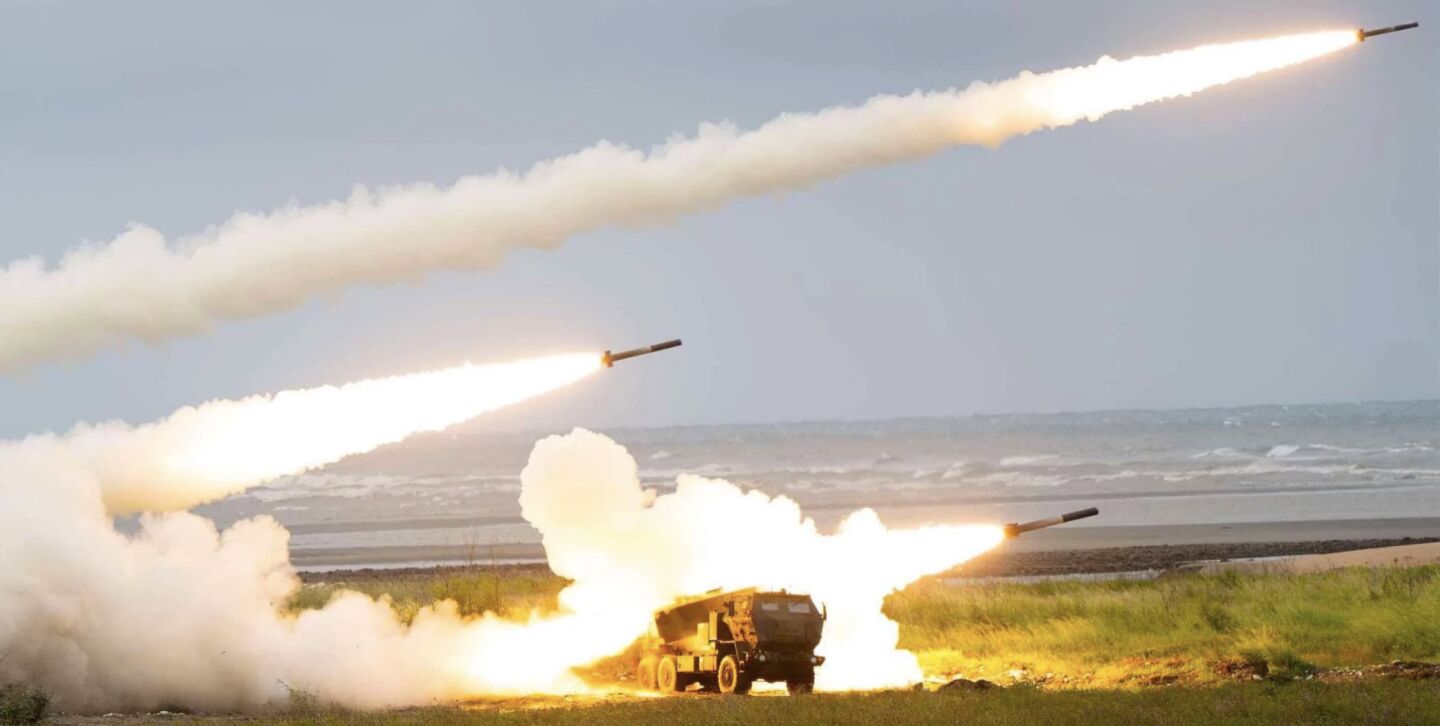
Republic of China Army HIMARS
The Republic of China Armed Forces have conducted a three-day precision-fire exercise at Jiupeng in Pingtung County integrating U.S.-supplied HIMARS rocket artillery systems with various loitering munitions, air-defence systems and anti-ship missiles. Th exercises provided a large-scale demonstration of the services’ ability to coordinate multiple weapon systems against an amphibious assault. The exercise, which began in September 2026, is focused on integrating sensors, command-and-control networks and precision weapons rather than simply demonstrating the range of individual systems.
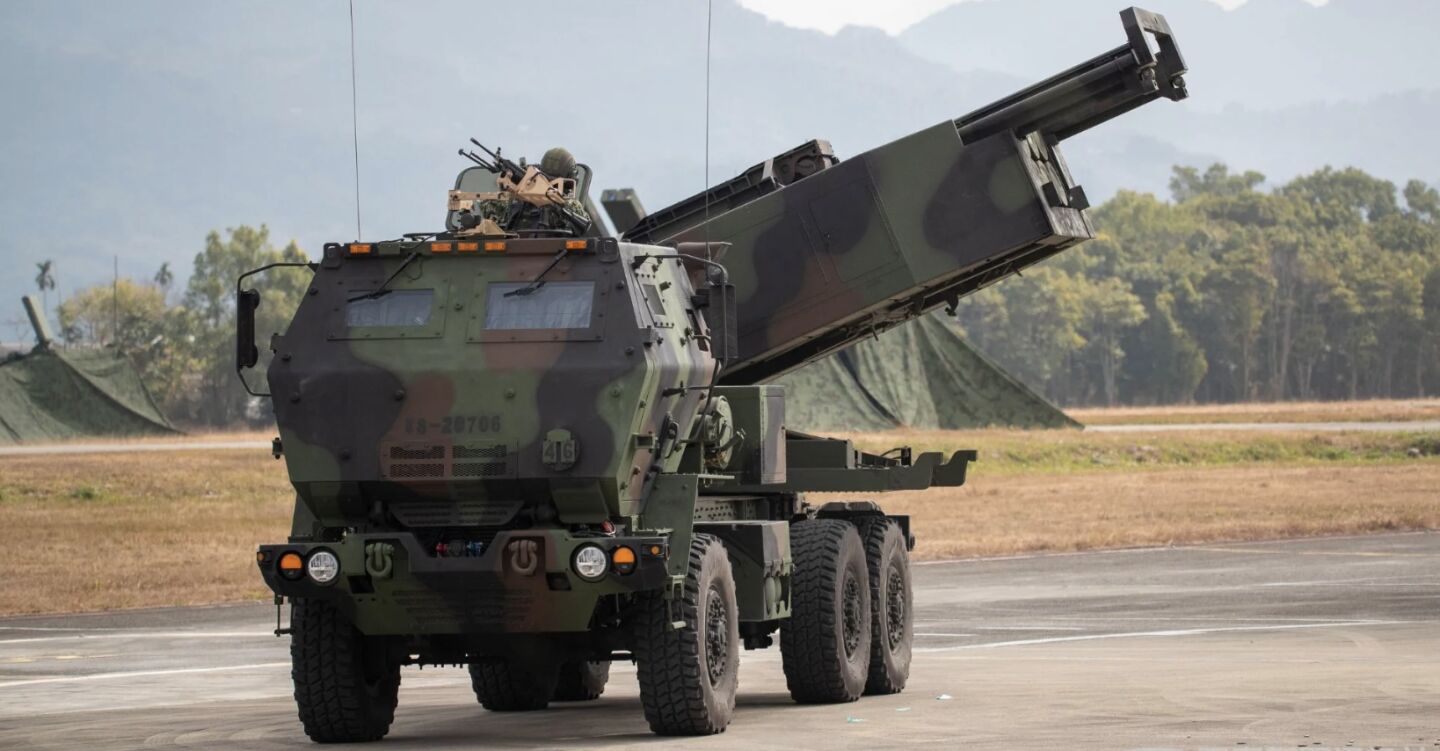
The exercise brings together systems operated by multiple branches of the Armed Forces, including Air Force Patriot and Tien Kung air-defence systems, Hsiung Feng II and Hsiung Feng III cruise missiles, and Army M142 HIMARS launchers and ALTIUS 600M loitering munitions. The maritime component is centred on the decommissioned Republic of China Navy frigate Lan Yang, which is being used as a target off the island's eastern coast. The arrangement provides an opportunity to test how different sensors and weapons can be integrated against a maritime target rather than operated independently.
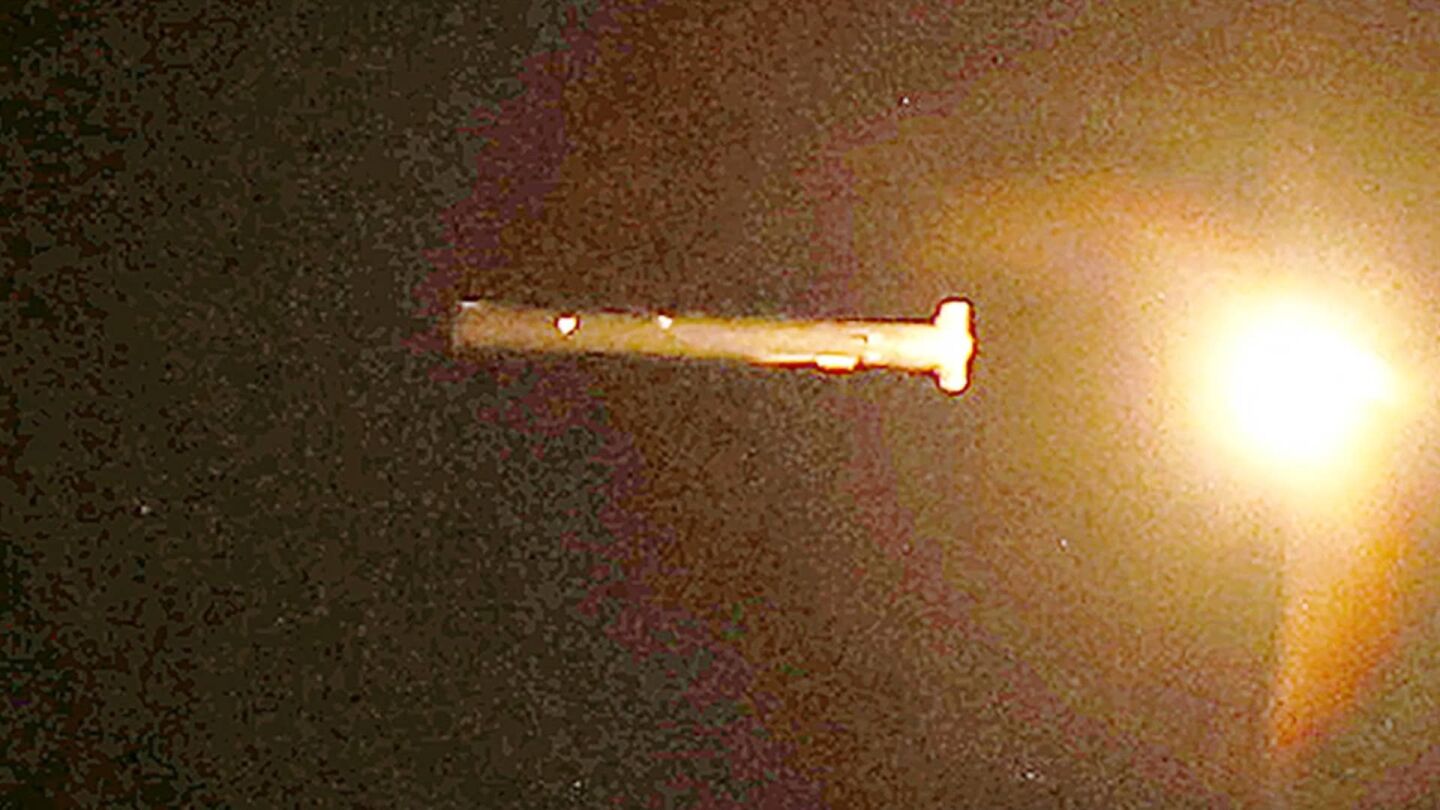
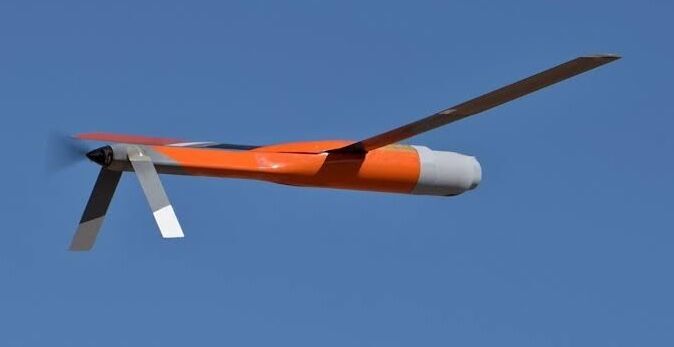
The exercise reflects a growing emphasis within the Republic of China Armed Forces on combining relatively inexpensive unmanned systems with longer-range precision weapons. The U.S.-supplied ALTIUS 600M provides a potentially persistent surveillance and strike capability, while HIMARS and coastal anti-ship missiles can provide substantially greater destructive power against identified targets. The ability to connect these systems through a common command-and-control architecture could allow a target detected by one platform to be engaged by another without requiring every weapon system to operate its own independent sensor network.
The opening phase of the exercise concentrated on air defence and command links, including Patriot firings. The second day included the Hsiung Sheng missile, Chien Hsiang loitering munition and Land Sword II system, while subsequent phases were scheduled to incorporate HIMARS, Hsiung Feng II and III missiles and ALTIUS 600M systems. The exercise therefore encompasses both defensive and offensive systems, reflecting the Republic of China military's requirement to contest air and maritime approaches while maintaining the ability to strike forces involved in an attempted landing.
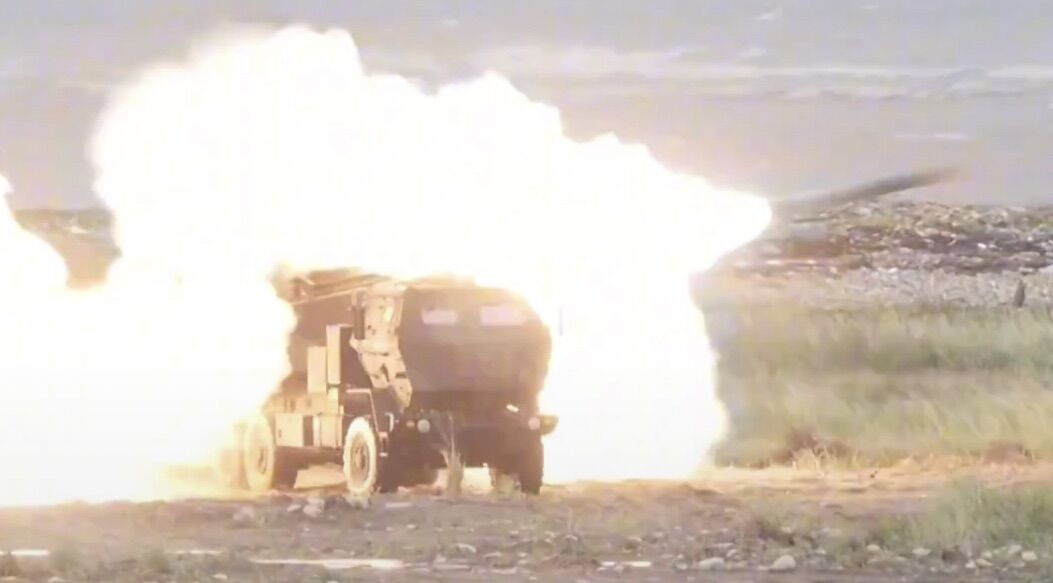
The HIMARS component is also part of a broader expansion of the Republic of China Army's precision-fire capabilities. The Republic of China received its first batch of 11 M142 HIMARS launchers in 2025, while further procurement has expanded the planned fleet. Earlier live-fire training in June 2026 demonstrated HIMARS operations on the island's western coast, while the current exercise places the system within a much broader joint precision-strike framework. The combination of HIMARS, Hsiung Feng missiles, Hsiung Sheng missiles and loitering munitions is particularly relevant to preparations for a potential amphibious operation. A large-scale landing on Taiwan Island would require an attacking force to move through maritime approaches before establishing and supplying beachheads. Land-based precision weapons and unmanned systems could therefore be used at different stages of an engagement.
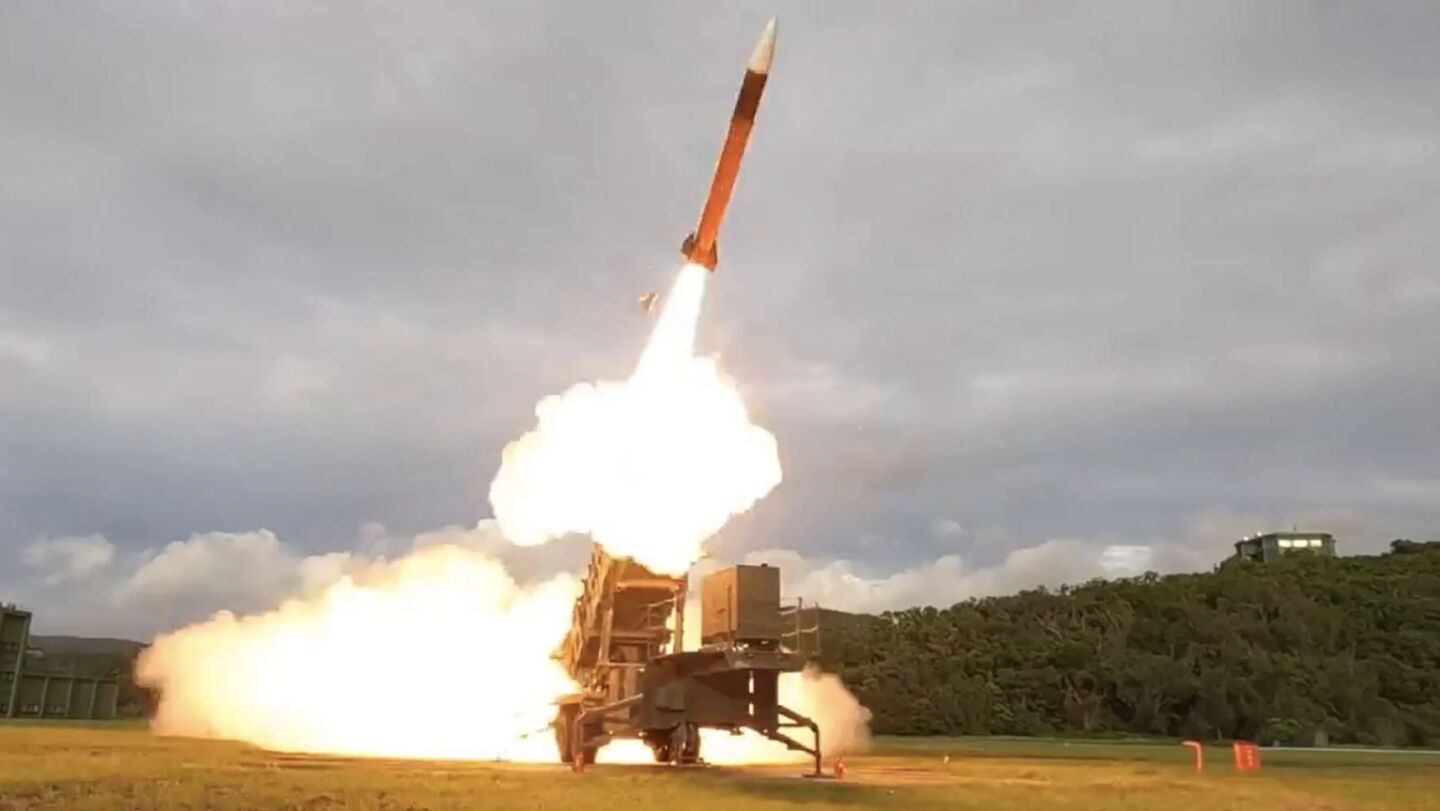
The exercise also highlights the importance of survivability. Mobile launchers such as HIMARS can relocate after firing, while smaller unmanned systems can be dispersed and operated from relatively concealed positions. This is particularly important for the Republic of China Armed Forces because fixed missile and air-defence installations could be targeted early in a conflict. A force built around dispersed launchers, mobile sensors and networked unmanned systems could make it more difficult for an adversary to eliminate the entire precision-strike architecture through attacks on a limited number of fixed facilities.
