
Putin Stresses Vital Importance of Russia’s Growing Submarine Nuclear Deterrent as Conflict with NATO Intensifies
Military Watch Magazine Editorial Staff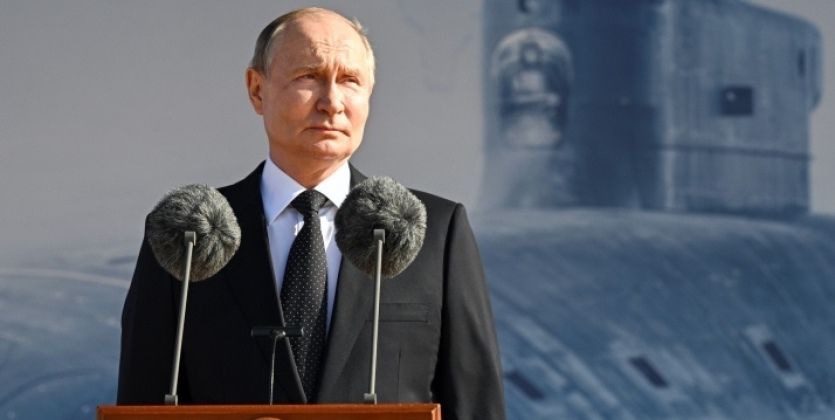
President Vladimir Putin at the Commissioning Ceremony of the Borei Class Submarine Knyaz Pozharsky
Russian President Vladimir Putin has emphasised the importance of the Navy’s nuclear forces in the country’s deterrent, stressing its “huge significance.” Singling out the Posidon nuclear powered torpedo, which carries nuclear warheads, he observed: "As for the Posidon we have been talking a lot about, this uncrewed underwater vehicle is at the final stage," he said at a meeting with Russian Navy servicemen. "We are about to complete [the work on it] and put it on combat alert." While Russia has by far the world’s largest land based nuclear-armed missile force, and has placed a less extreme emphasis on its maritime nuclear deterrent than Western Bloc states, the naval component still remains cutting edge and in some respects world leading in its capabilities.
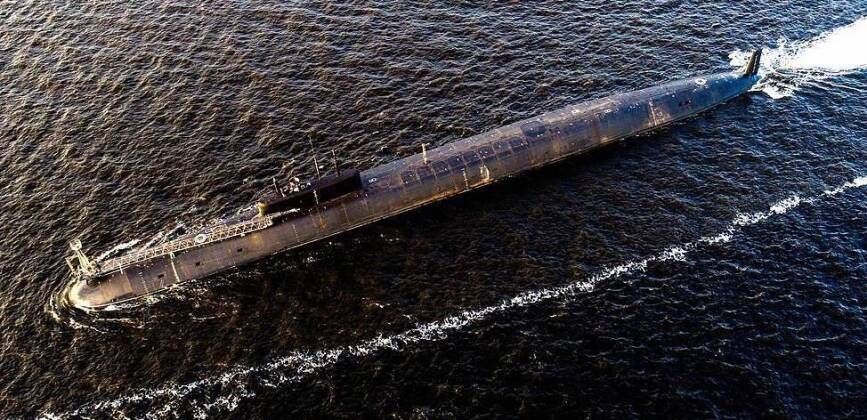
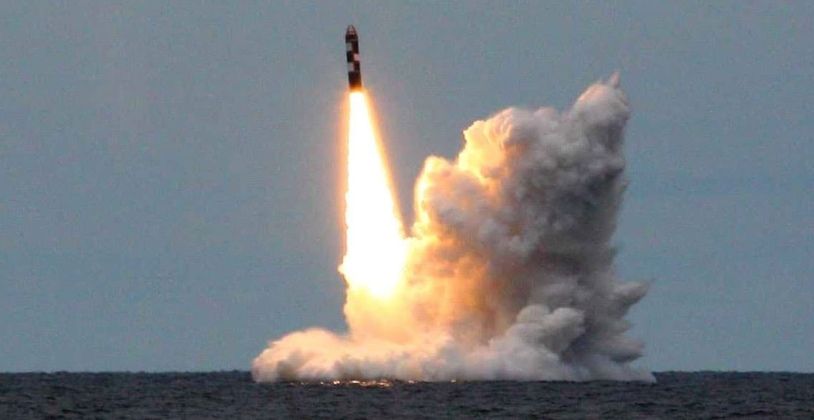
At the heart of Russia's sea-based deterrent is the Borei class nuclear-powered ballistic missile submarine fleet, which incorporate cutting edge quieting technologies and each integrate 16 RSM-56 Bulava submarine-launched intercontinental range ballistic missiles. Each missile integrates multiple independently targetable nuclear warheads, with the design having been developed specifically to overcome modern missile defence systems through high manoeuvrability, decoys and advanced penetration aids. The fast expanding Borei class fleet is complemented by the development of Khabarovsk class nuclear submarines, the first of which was launched in 2025, which integrate Poseidon nuclear armed nuclear powered torpedoes, providing a second means of launching strategic nuclear attacks.
In January 2026 Deputy Chairman of the Russian Security Council Dmitry Medvedev stressed the importance of Russia’s nuclear deterrent in guaranteeing the country’s continued existence, at a time of mounting perceived threats from the Western world. “Without nuclear weapons, it is quite possible that our country would no longer exist. Whether that be the Soviet Union then or Russia today,” he observed, predicting further escalation of the nuclear arms race between Russia and the Western Bloc. Russia’s nuclear deterrent gained newfound importance following the disintegration of the Soviet Union and extreme decline of Russia’s industrial base, tech sector, and conventional warfare capabilities, with the nuclear arsenal allowing it to asymmetrically counter larger Western Bloc forces arrayed against it in Eastern Europe, the Arctic and East Asia.
