
Pivot to America: Singaporean Air Force to Deploy Fighter Jets to Guam
Military Watch Magazine Editorial Staff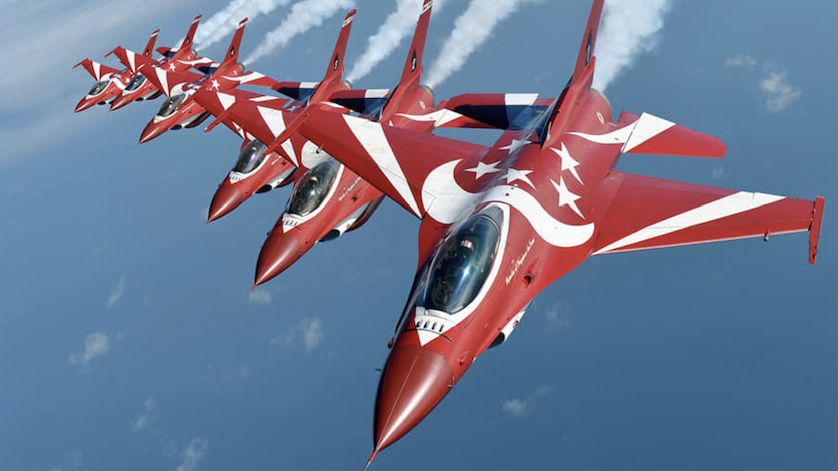
Singaporean Air Force F-16 Fighting Falcon
Amid growing efforts by the United States to boost defence ties with Southeast Asian states, a new defence agreement has been signed with Singapore allowing the city state to establish a small contingent base on the American controlled pacific territory of Guam. Guam Naval Base and Andersen Air Force base are currently major hubs of the U.S. military presence in the Western Pacific, and host considerable quantities of weapons and supplies for use in a potential war with adversaries such as North Korea and China. While Singapore’s territory is among the very smallest in the world, its Air Force is among the largest in Southeast Asia deploying American F-5E, F-16C and F-15SG fighter jets and reportedly soon to deploy F-35A stealth fighters as well. The Singaporean Air Force will reportedly use facilities on Guam to train its fleet, which will be far less constrained in the vast and scarcely populated territory. Deploying assets to Guam will also present more opportunities for the Singaporean Air Force to train alongside its American counterpart, and possible alongside fighter units from the U.S. Navy as well.
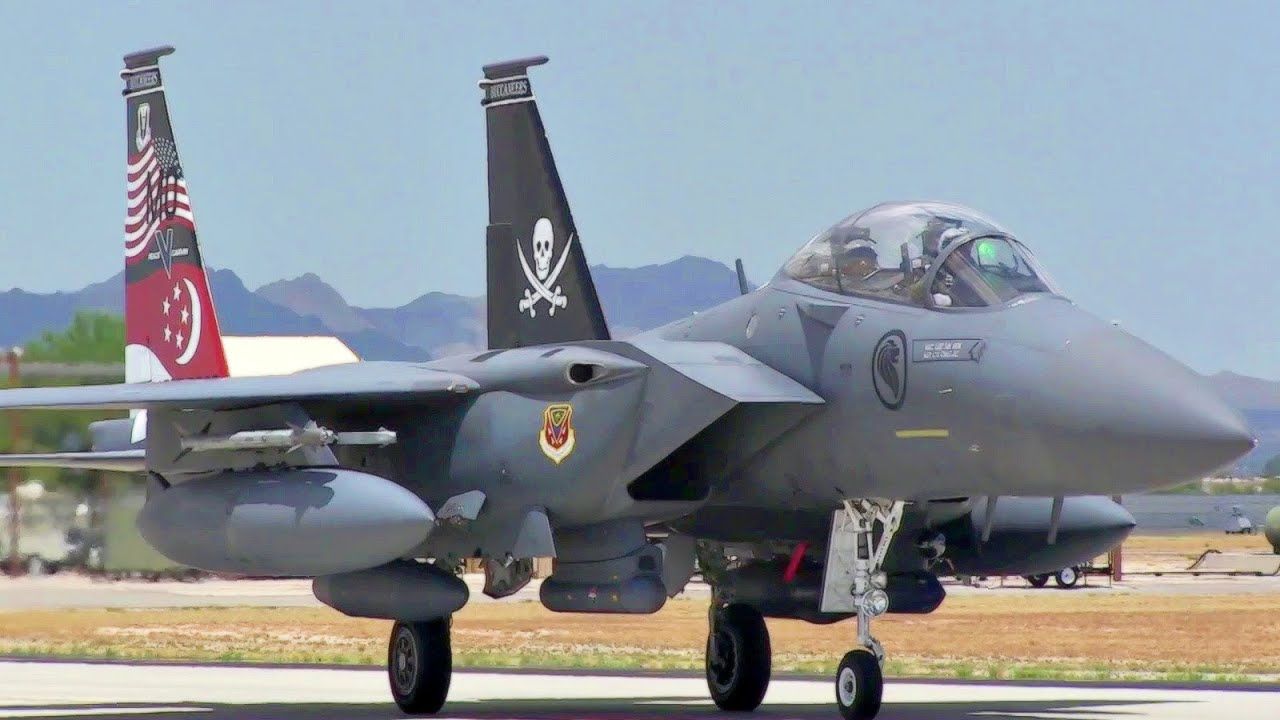
Singapore’s Defence Ministry stated regarding the deployment of air units to Guam, which will include both F-16C and F-15SG fighters: “The vast training airspace in Guam will allow the RSAF [Singaporean Air Force] to conduct realistic training, to hone their capabilities and readiness.” These would boost operational readiness and better facilitate quick redeployments of assets. Defence ties between Singapore and the United States remain extremely close, with over 100 American warships and 800-1,000 military aircraft transiting through the territory each year. Providing facilities for the U.S. to base its Littoral Class combat ships, Singapore’s strategic location is also key to facilitating U.S. control over the critical Malacca Strait in the event of a potential war - which has repeatedly been highlighted as vital to American war plans for the Asia-Pacific.
