Over One Million F-35 Parts Lost in the U.S.: Up to $2.5 Billion Worth of Components Missing
Military Watch Magazine Editorial Staff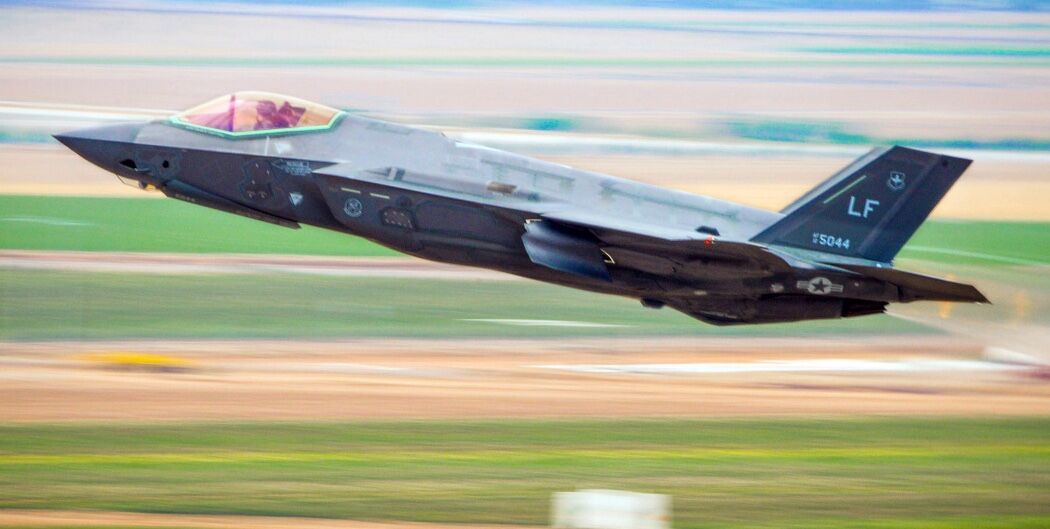
F-35 Fighter
The U.S. Department of Defense remains unable to account for more than one million missing spare parts for the F-35 fighter, with a new government watchdog report revealing persistent failures in the management of a global inventory valued at approximately $31 billion. Published on November 9 by the Government Accountability Office (GAO), the report found that the Pentagon’s F-35 Joint Program Office (JPO) still did not know the status of parts worth more than $85 million that were reported missing in an earlier investigation. The components had already been unaccounted for over several years, with the GAO finding that their whereabouts remained unresolved as of March 2026.
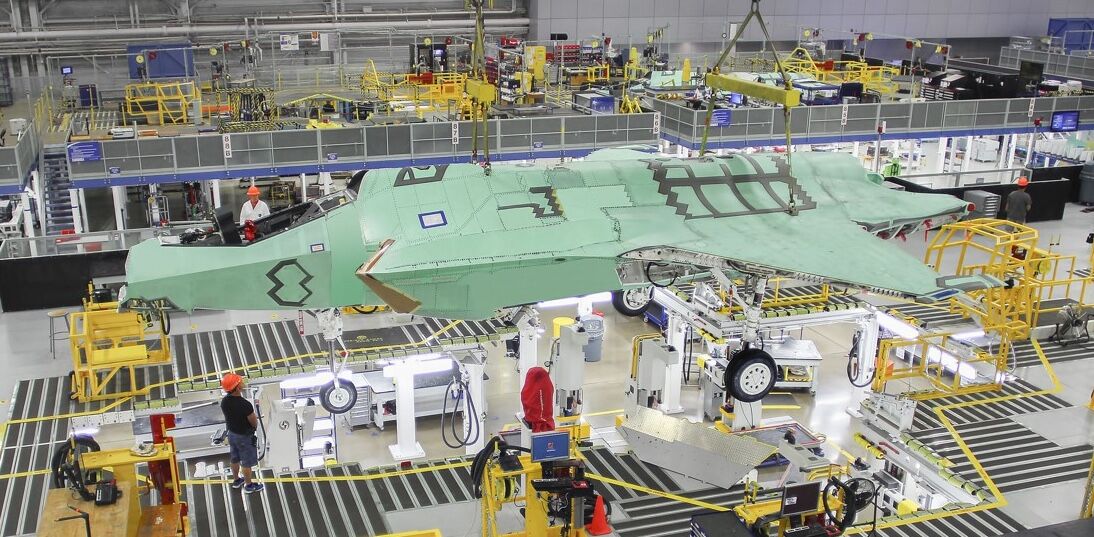
Shortages of parts have remained a leading contributor to the low availability rates of the F-35 fleet, which have for over a decade been outstandingly poor particularly when considering how new the aircraft are. Pentagon reports have repeatedly highlighted that the F-35 suffers from poor reliability, and that its high operational costs could make it unaffordable in the numbers initially expected to be purchased. The Defense Department’s Office of the Inspector General’s in December revealed that availably rates remained at just 50 percent, with the aircraft “not available to fly half of the time,” while maintenance issues meant they didn’t meet “minimum military service requirements.” The report highlighted that the Pentagon “did not consistently hold Lockheed Martin accountable for poor performance related to F-35 sustainment,” for which the firm is responsible under existing contracts. Issues with the F-35’s F135 engine have been another one of the leading drivers of low availability rates.
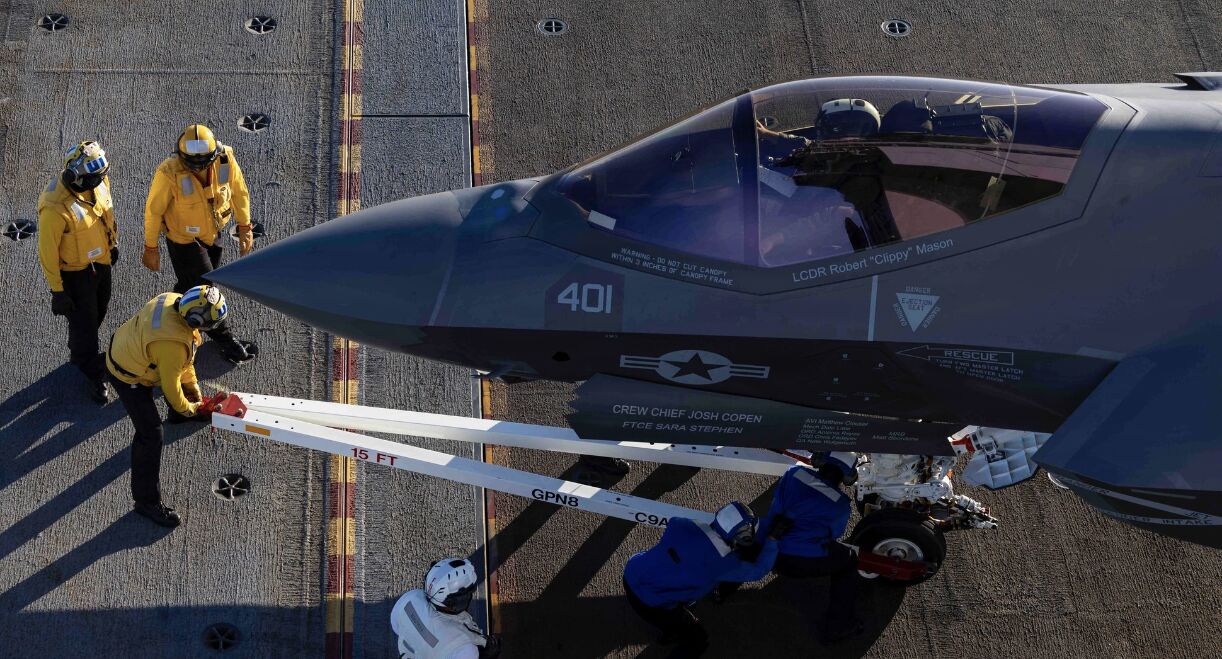
Issues with the F-35 are particularly consequential due to the lack of other fifth generation fighter types in production in the Western world, and to the large numbers being procured, meaning F-35s will by 2035 make up around 40 percent of the U.S. Air Force fighter fleet. The latest findings highlight continuing weaknesses in the management of the world’s largest weapons program, raising concerns about financial accountability, supply-chain oversight and the availability of components needed to sustain the aircraft fleet. The missing components were first highlighted in a May 2023 GAO investigation, which found that more than one million F-35 spare parts worth over $85 million had been lost by a prime contractor between May 2018 and October 2022. At the time, the Pentagon’s program office had reviewed the circumstances surrounding fewer than two per cent of the identified losses, while the contractor had failed to report hundreds of thousands of additional missing components through the appropriate channels.
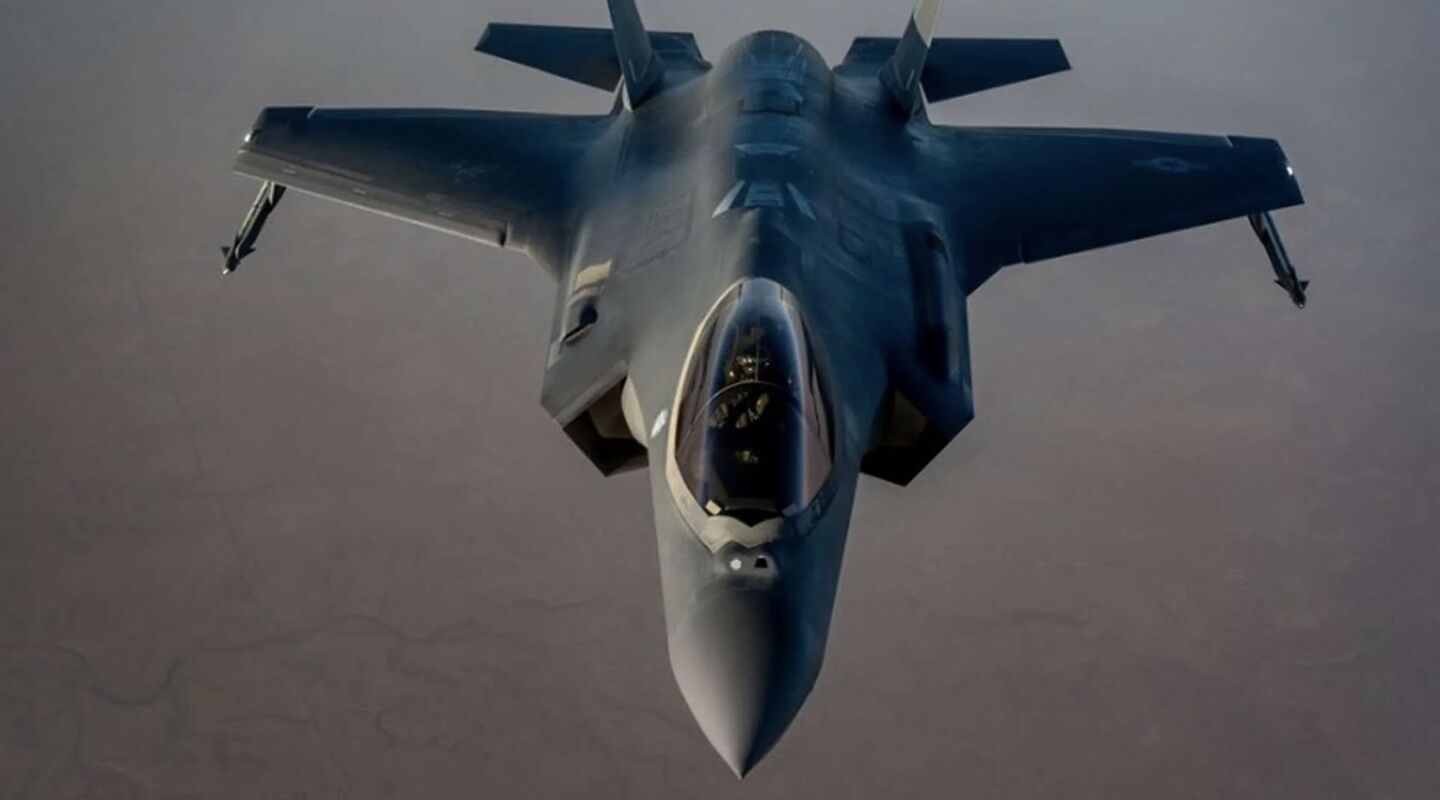
The latest investigation found that the JPO still lacked sufficiently complete records to establish whether subsequent reports of losses covered the parts identified in the earlier audit. The F-35 program relies on approximately 26 million parts, collectively valued at around $31 billion, distributed across more than 700 government- and contractor-managed facilities worldwide. These include components ranging from engines and tyres to smaller items such as bolts and screws, all of which must be tracked across a complex international supply chain supporting U.S. forces and foreign operators. However, the Pentagon does not maintain complete and reliable records of this inventory, with its databases containing outdated, inaccurate or incomplete information that does not consistently reflect the movement or use of parts in real time.
The investigation identified further discrepancies involving components undergoing maintenance or repair. As of March 2026, more than 17,000 F-35 parts worth an estimated $1.3 billion were absent from the program’s inventory system, with the total potentially reaching $2.5 billion when missing cost information and other acquisition expenses were taken into account. These figures do not necessarily mean that all the components have physically disappeared; rather, the Pentagon could not reliably establish their status through its inventory records. Some parts may be held at contractor facilities, moving through commercial shipping networks or undergoing maintenance without being properly reflected in the government’s database. The distinction is important, but the inability to establish their whereabouts still creates significant difficulties for planning maintenance, managing procurement and ensuring that components are available when required.