
North Korea Demonstrates Range of Lethal New Rocket Artillery Systems with Major Exercises - Projectiles Fired Out to Sea
Military Watch Magazine Editorial Staff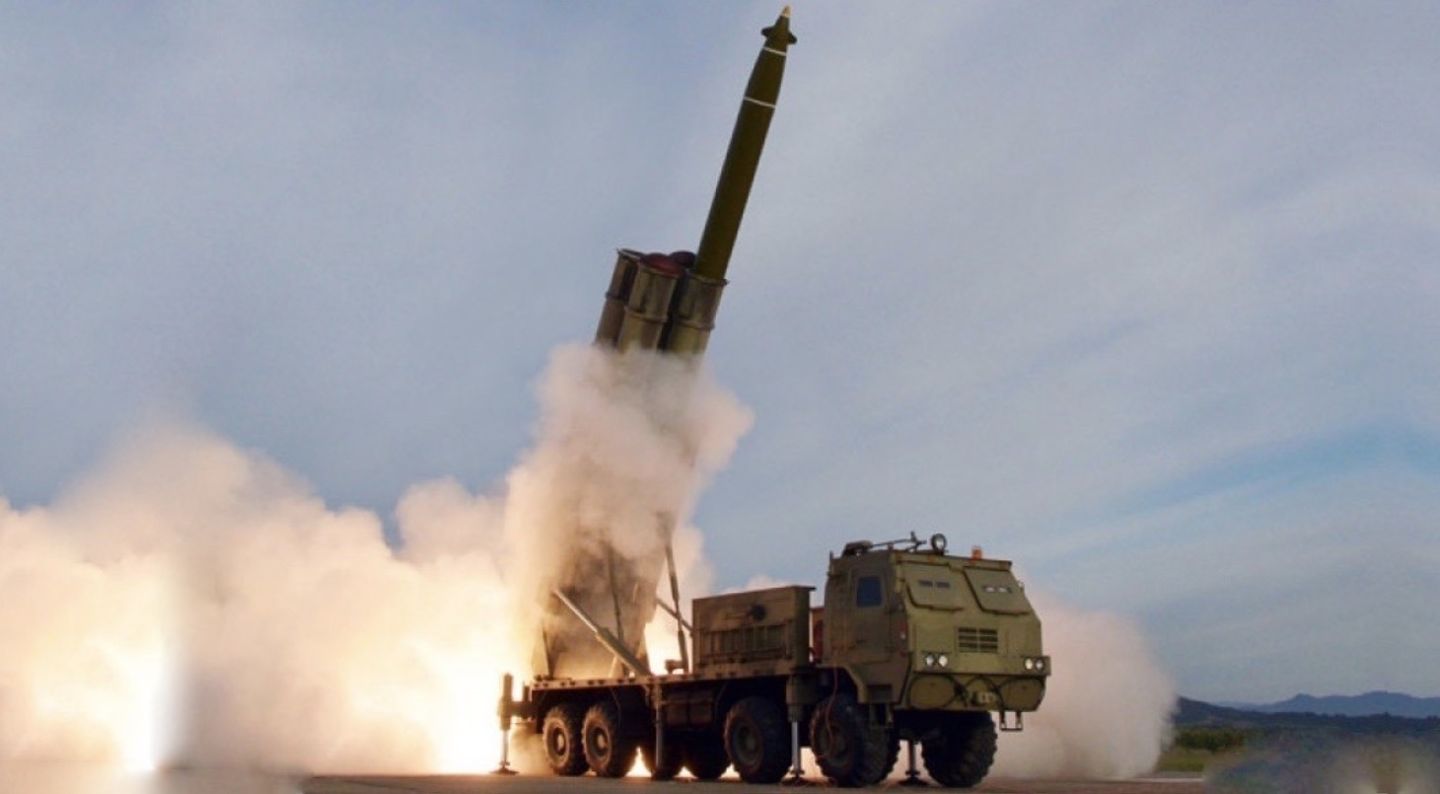
North Korean KN-23 Rocket Artillery System
North Korean state media outlet KCNA announced in February 2nd that the armed forces had carried out exercises with new rocket artillery units, which were overseen personally by Leader Kim Jong Un and other members of the country's top military brass and saw newly developed superheavy artillery systems fired into the Sea of Japan - referred to in Korea as the East Sea. It reported regarding the exercises: “The men of long-range artillery pieces on the front participating in the drill proudly demonstrated the accurate marksmanship which they had improved in their training.” North Korea previously boasted the world’s longest range rocket artillery system with the KN-09, a 300mm system unveiled in 2014 with a 200km range. It has since improved on this range and beaten its own record with the induction of the KN-25 into frontline service in 2019, which has an estimated range of 400km.
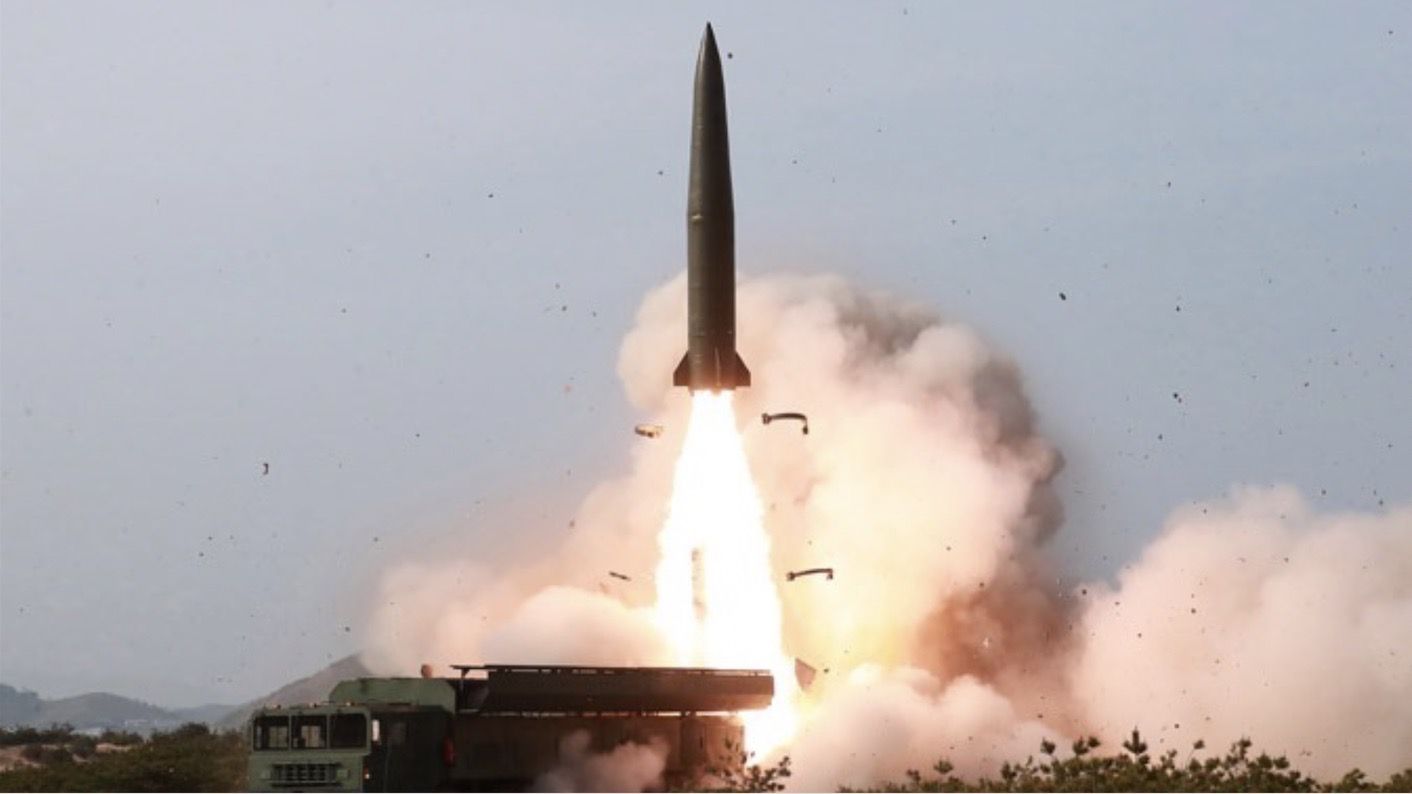
Korean rocket artillery systems are crucial to allowing Korean forces to strike targets deeper behind enemy lines in the event of renewed conflict on the peninsula, and are complemented by a growing range of advanced tactical ballistic missiles including the KN-23 and KN-24 - both also first tested in 2019. These closely resemble the Russian Iskander-M and American MGM-140 respectively, and make use of advanced solid fuel composites for a shorter launch time and greater range relative to older missile designs such as the Hwasong-6. American and South Korean airbases are expected to be primary targets of missile and rocket attacks alongside command centres, which will allow North Korean forces to disable enemy air units at a relatively low cost either by taking out runways or by neutralising aircraft themselves. This can be done cost effectively without the need to deploy a large Air Force - which could partly explain why the North Korean armed forces have placed such a heavy emphasis on developing these short ranged tactical strike capabilities in recent years to nullify the adversary’s primary advantage of a larger and more modern air fleet.
