
Newly Delivered Russian Mi-28 Attack Helicopters Fly Over Iranian Capital in Show of Force
Military Watch Magazine Editorial Staff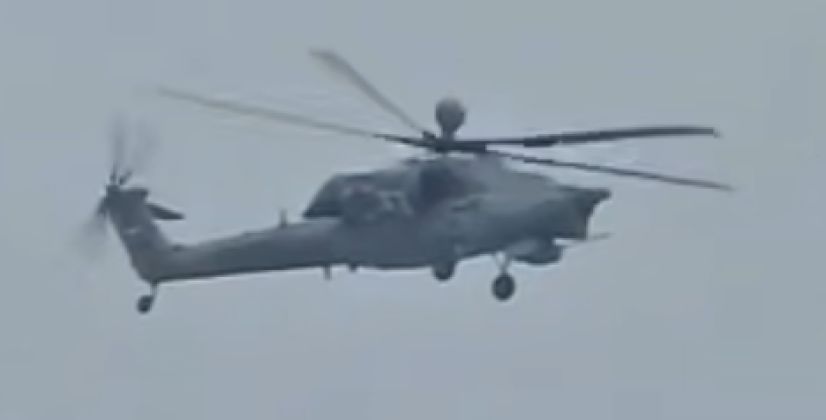
Iranian Mi-28 Attack Helicopter Over Tehran
The Iranian Air Force has deployed at least two of its newly delivered Russian Mi-28 attack helicopters for a flight over the capital Tehran, in what appears to be a show of force following widespread Western claims that all the aircraft were destroyed. The Mi-28 is the only modern combat aircraft known to currently be active in Iranian service, with deliveries having been confirmed only in January 2025. The fact that Iran’s most high value aircraft have survived over a month of intensive U.S. and Israeli bombardment, which specifically targeted the country’s aerial warfare assets and were thought to prioritise newer more high value assets, has itself been interpreted by analysts as a sign of the resilience of the country’s combat capabilities.
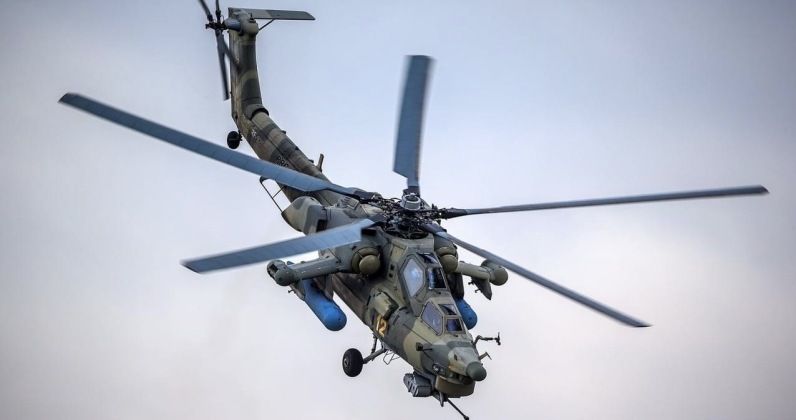
Although the Mi-28 is not known to have been deployed for combat operations in Iran, the aircraft have the potential to make important contributions to the war effort against the U.S. and its strategic partners. This could include air defence duties, in particular against drones and subsonic cruise missiles, mirroring the deployment of attack helicopters in Israel and much of the Gulf region to shoot down Iranian single use attack drones. The Mi-28 can also serve as an elevated sensor platform to strengthen the situational awareness of ground-based air defence networks, and is capable of engaging fighters and other manned fixed wing aircraft using R-74 air-to-air missiles. The fact that U.S. aircraft have frequently flown low over Iran to deliver gravity bombs in order to minimise local air defences’ detection ranges provides greater opportunities for such engagements.
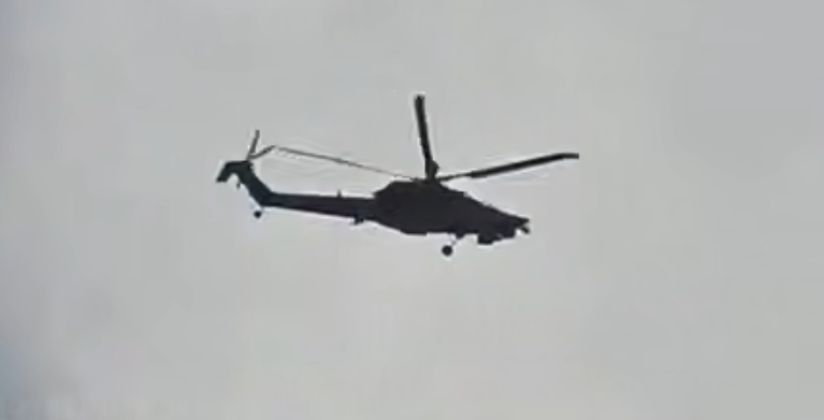
Iranian Deputy Defence Minister Brigadier General Mehdi Farahi first confirmed plans to introduce the Mi-28 and the Su-35 air superiority fighter into service in November 2023, with the first Su-35s having been expected to arrive before the fourth quarter of 2026. Three Mi-28s are reported to have arrived in the Iran in January 2026, although the full size of the order remains unknown. The Iranian Army was reported to have received multiple new batches of Mi-28s in mid-late February shortly preceding the initiation o a U.S.-led assault on the country.
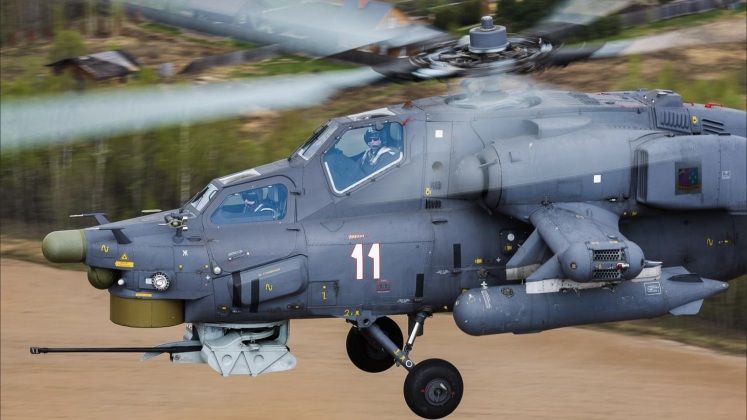
The Mi-28’s design has pioneered outstandingly high levels of crew protection, with its titanium cockpit protected by armoured glass and ceramic plates capable of withstanding hits from 20mm rounds. The enhanced Mi-28NM variant was first combat tested in Syria from 2016, with its performance in the theatre thought to have been a major factor influencing the Russian Defence Ministry to sign contracts for the supply of 98 more aircraft by 2027. Beyond air defence duties, the Mi-28 may also prove invaluable in ground attack roles, both to counter Western-backed insurgent groups, which previously played a major role supporting attacks in June 2025, and to potentially support a response to a U.S. invasion of Kharg Island or other strategic locations. The aircraft can be equipped with a wide range of beyond visual range precision guided missile types, including the Khrizantema-M and Vikhr anti-tank missiles that have been extensively combat tested in the Ukrainian theatre.
