Newly Delivered J-20A Stealth Fighters Seen Operating with China’s Elite 1st Air Brigade with Aerial Refuelling Support
Military Watch Magazine Editorial Staff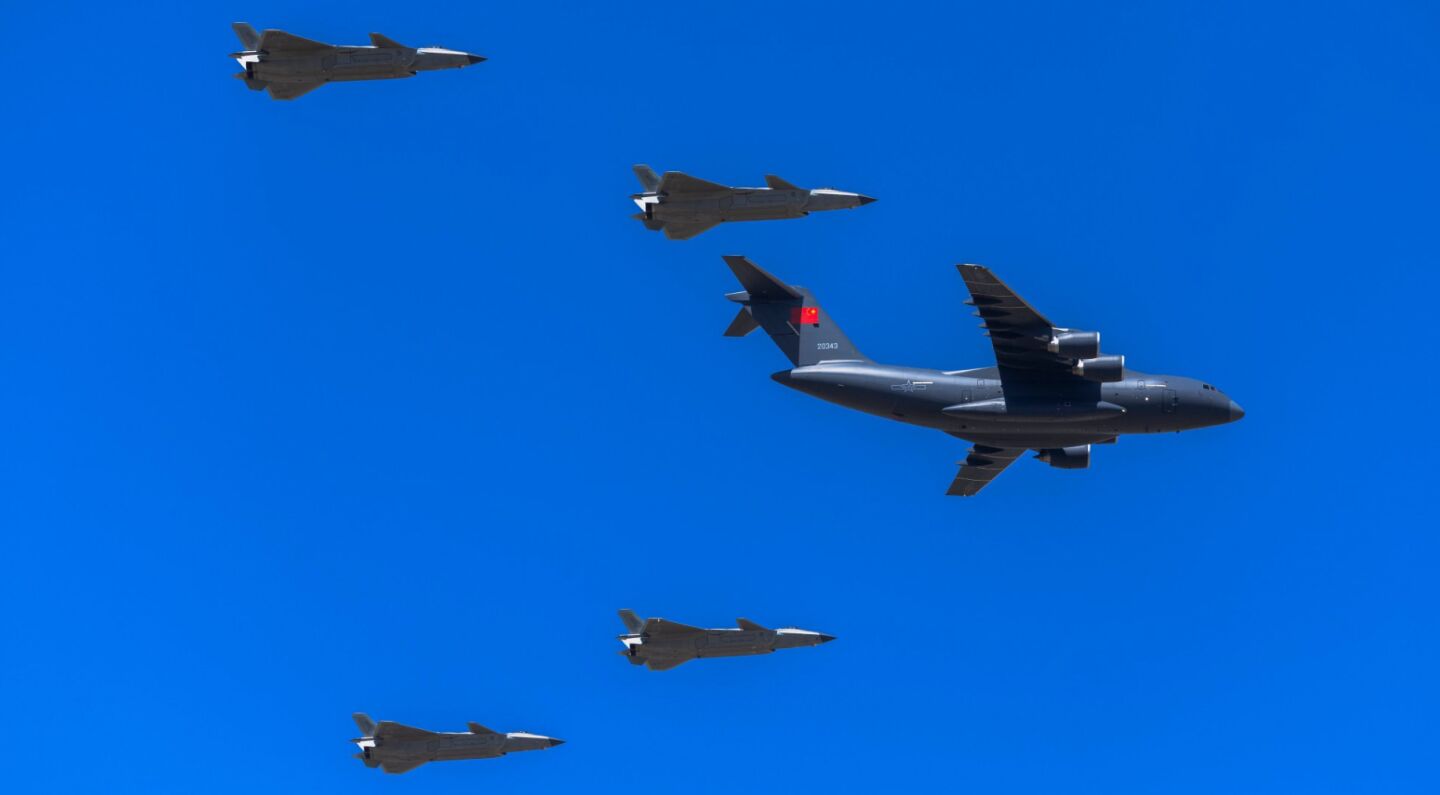
Chinese PLAAF 1st Air Brigade J-20A Fighter with Y-20B
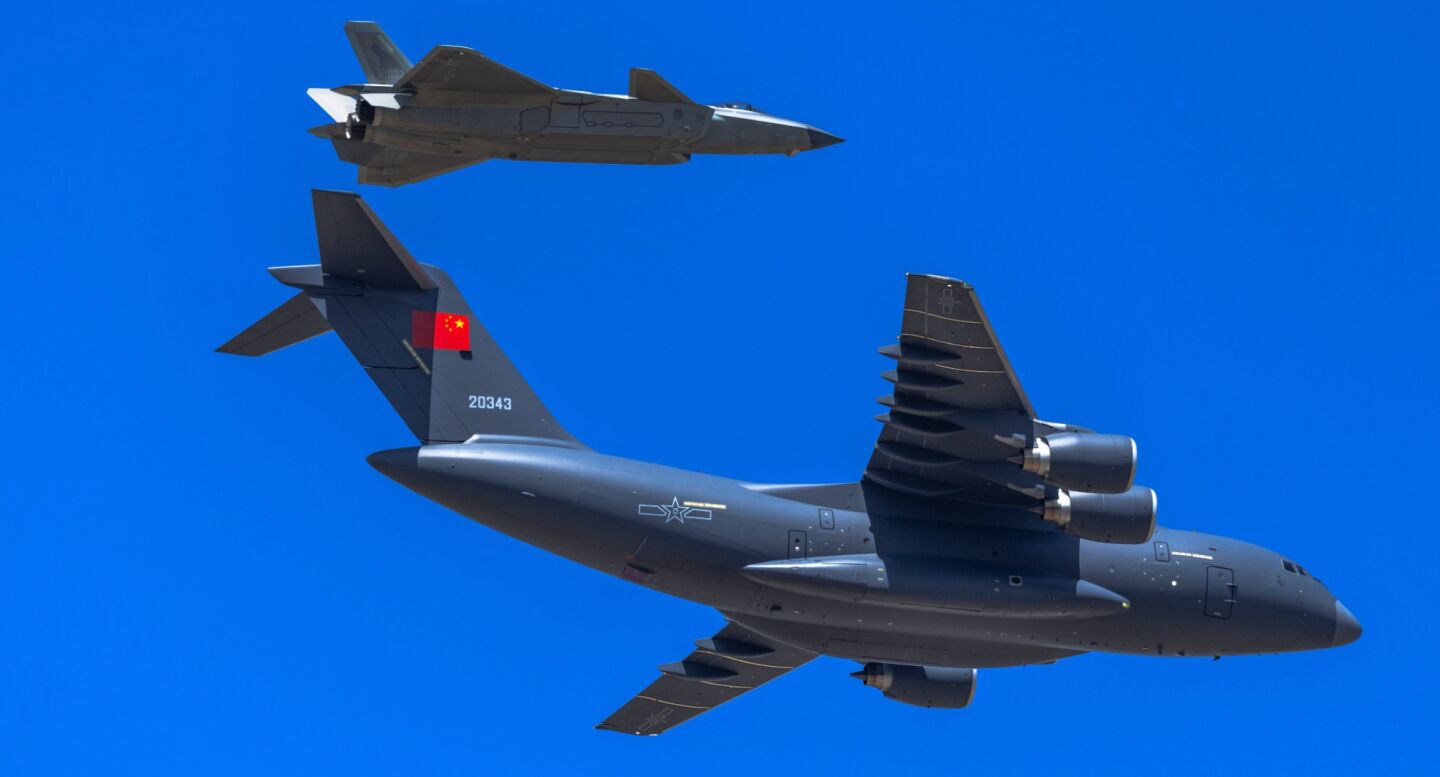
New footage has shown newly delivered J-20A fifth generation fighters operating under the Chinese People's Liberation Army Air Force’s elite 1st Air Brigade, with four of the aircraft flying in formation with support from a Y-20B aerial tanker. Based at Anshan Air Base in Liaoning Province, the brigade was confirmed in July to have been re-equipped with the J-20A, while older J-20s that had become operational at the facility in 2021 were reallocated to another lower priority unit. The J-20A’s improved design is thought to be more aerodynamic and have a higher fuel capacity, which combined with the benefits of integrating WS-15 next generation engines provides a greatly improved range.
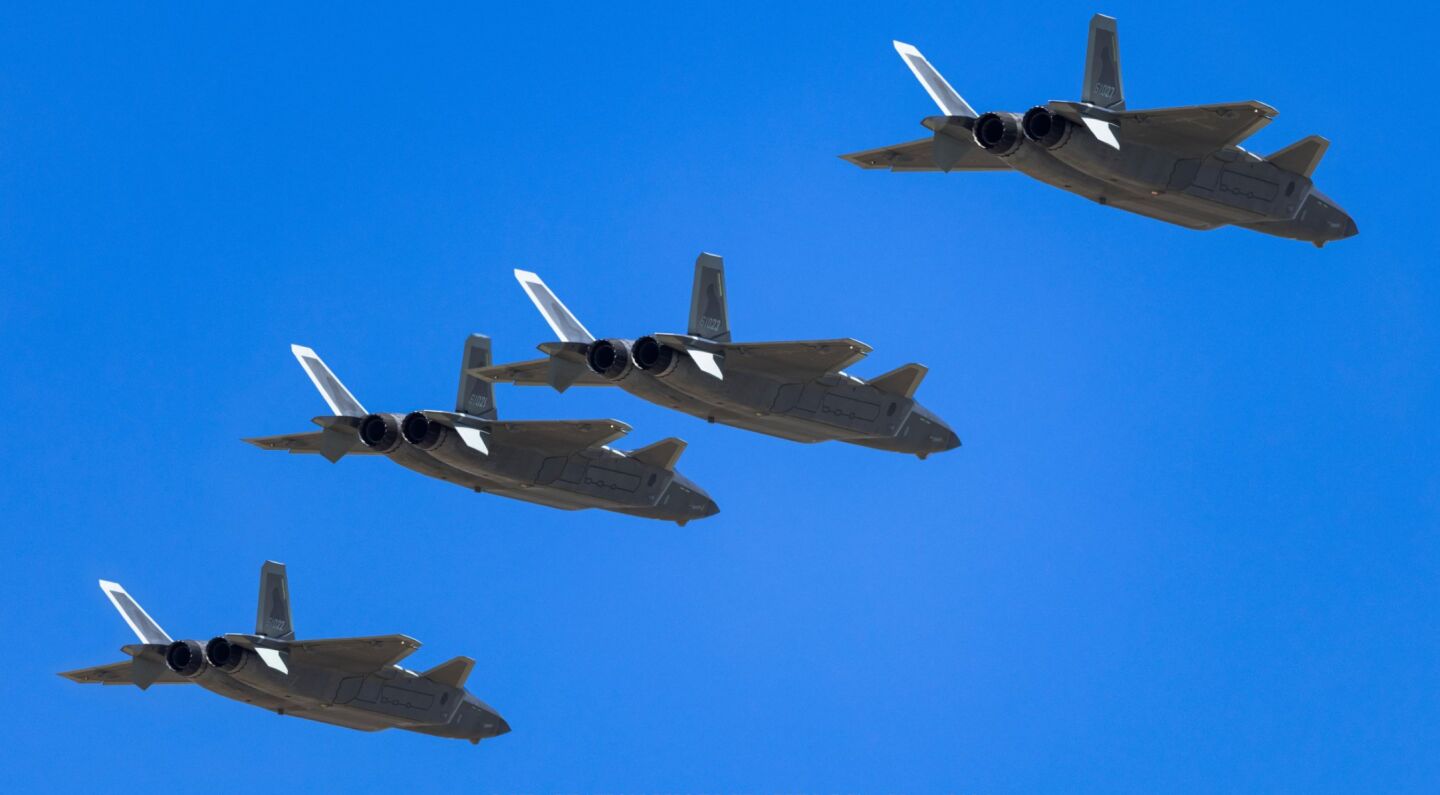
The J-20A is estimated to have by far the widest combat radius of any fighter type of its generation, more than double those of the U.S. F-22 and F-35, which combined with its very high cruising speed allows the 1st Air Brigade to respond to contingencies across multiple potential hotspots. The growing availability of aerial refuelling support due to the large scale procurements of Y-20s has further complemented improvements to the J-20’s own range, with the Y-20B seen supporting the aircraft having been operating under 13th Transport Division, 37th Air Regiment at in Kaifeng. Local analysts have observed that the J-20’s “2,000km-plus combat range… is more than enough to cover the mainland coastal provinces and Taiwan” when operating from Anshan with such assessments having been made before the Y-20B or the longer ranged J-20A variant entered service.
The Northern Theatre Command under which the 1st Air Brigade operations is responsible for China's strategic approaches towards North Korea, South Korea and Japan, as well as the maritime and airspace surrounding the Bohai and Yellow Seas. J-20s operating from Anshan could therefore contribute to air defence, surveillance and interception missions, while also providing a platform for operations against opposing aircraft operating near China's northeastern approaches. Their presence would be particularly relevant in a crisis involving the Korean Peninsula, where American and South Korean air forces could deploy advanced fighters and support aircraft close to Chinese territory.
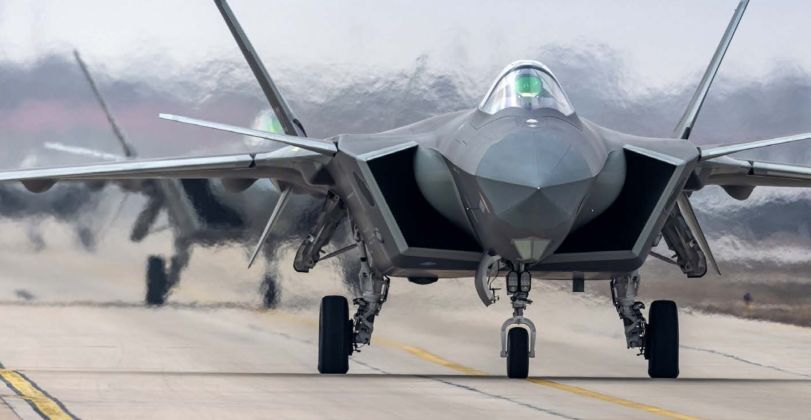
With a design that is considerably more advanced than the rival Russian Su-57, and much heavier and better optimised for air-to-air combat than the U.S. F-35, the J-20 is widely regarded as the world’s premier air superiority fighter. The J-20's low-observable design is especially relevant to operations against the United States and its strategic parters in Northeast Asia. Its combination of internal weapons bays, advanced radar and electro-optical sensors, and long-range air-to-air missiles is intended to allow it to engage hostile aircraft while reducing the likelihood of detection and interception. The aircraft's principal beyond-visual-range weapons, the PL-15 and PL-16, use an active radar seeker and is designed to engage targets at considerable distances.