
How Far Will the Carrier Admiral Kuznetsov’s Modernisation Efforts Go? New Engines Will Reportedly End ‘Smokey’ Reputation
Military Watch Magazine Editorial Staff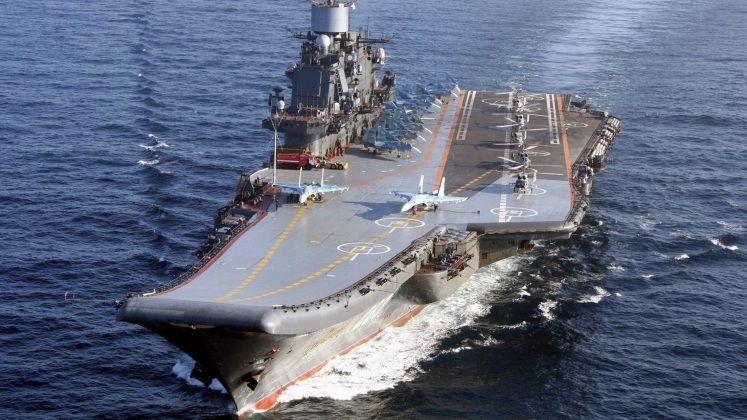
Russian Carrier Admiral Kuznetsov
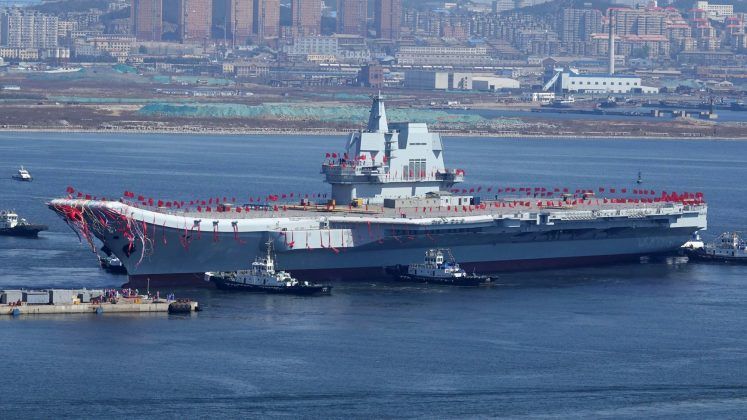
Russia’s sole aircraft carrier the Admiral Kuznetsov has gained a reputation for mishap over its time in service, and particularly over the past four years since it was deployed for combat in the Syrian theatre. The warship was the first laid down as part of an ambitious Soviet carrier program, which included three ships of its class and two much heavier Ulyanovsk Class supercarriers. The Kuznetsov was the only ship completed at the time of the state’s collapse, but an acute shortage of funds and the retirement of the majority of the Soviet surface fleet have meant that the ship’s role has changed considerably - and upgrades to the design have been applied at a very slow rate. As a carrier class the Kuznetsov has proven to be a reliable and potentially potent ship, as demonstrated by the Chinese ships Liaoning and Shandong which are considerably more modern and better maintained but are still based on the original Soviet design. The ship in Russian service, however, has a number of considerable shortcomings, from ageing early fourth generation fighters to the age of its sensors, electronics and weaponry. Foremost among issues with the design has been its engines, which are not only notoriously smokey but also reportedly have significant reliability issues and are far less efficient than the much newer engines powering its Chinese sister ships.
Under the current refurbishment program, it was reported that the Admiral Kuznetsov will receive an upgrade to its boilers and fuel system which will both improve efficiency and drastically reduce its exhaust smoke. It remains uncertain how long the Russian Navy intends to keep the Admiral Kuznetsov in service, and despite China’s far greater experience refurbishing and modernising such warships the Navy has not sought to pursue such options overseas. The Navy is expected to commission two new light carriers in the coming five years, which will be laid down in Crimea and are speculated to be designed to deploy vertical landing capable fighter jets which are currently also under development. Options for heavier carriers to replace the Kuznetsov are also under consideration. It is likely that, should the Navy decide against acquiring a new heavy carrier in the near future, more funds will be invested into the Admiral Kuznetsov’s modernisation and life extension - with some speculation that Russia could even look to learn from China’s example and apply lessons to its own upgrade program. The possibility of inducting new carrier based fighters into service, or of upgrading existing Su-33 fighters with next generation technologies such as Irbis-E radars, heads up displays and R-37M missiles, has also been raised.
