
Russia to Lay Down Two New Aircraft Carriers in Crimea - Reports
Military Watch Magazine Editorial Staff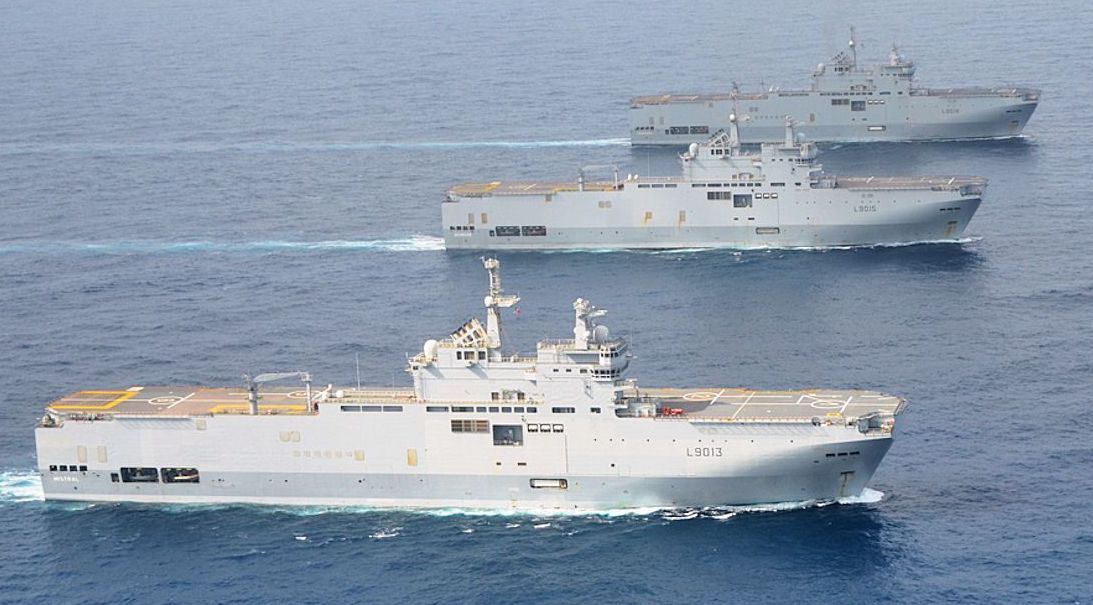
Three Mistral Class Light Carriers
The Russian Navy is reportedly planning to commission two domestically built light carriers warships, which will be laid down in shipyard in Crimea in the first half of 2020. At least one of these ships will be ready to enter service by the end of 2027 - the end of the state's current ten year armaments plan. The Russian Navy planned to commission at least four light carriers based on the French Mistral Class by the mid 2020s, with two such ships having been completed in France and the remaining two set to be laid down in Russia and benefitting from French technology transfers. This contract was cancelled unilaterally by Paris in 2014. Russia has yet to lay down any carriers since the collapse of the Soviet Union, which forced the cancellation of plans for two additional medium carriers of the Kuznetsov Class and two heavier 80,000 Ulyanovsk Class supercarriers.
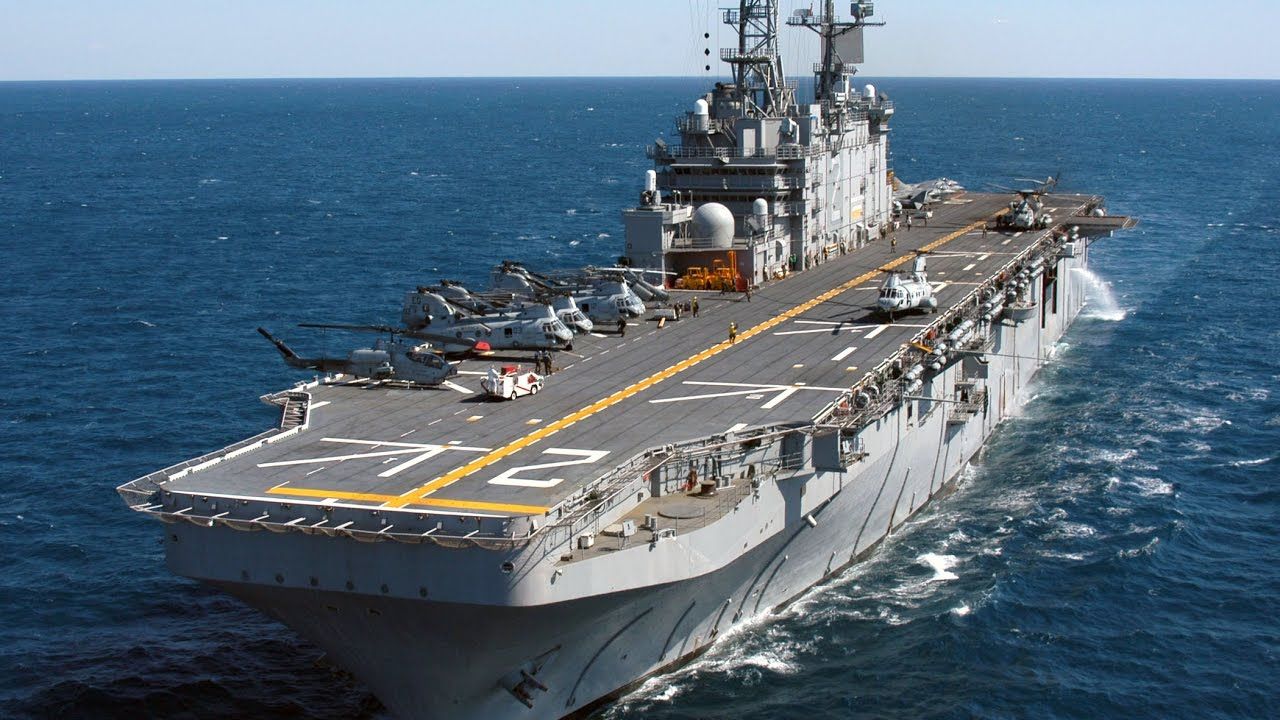
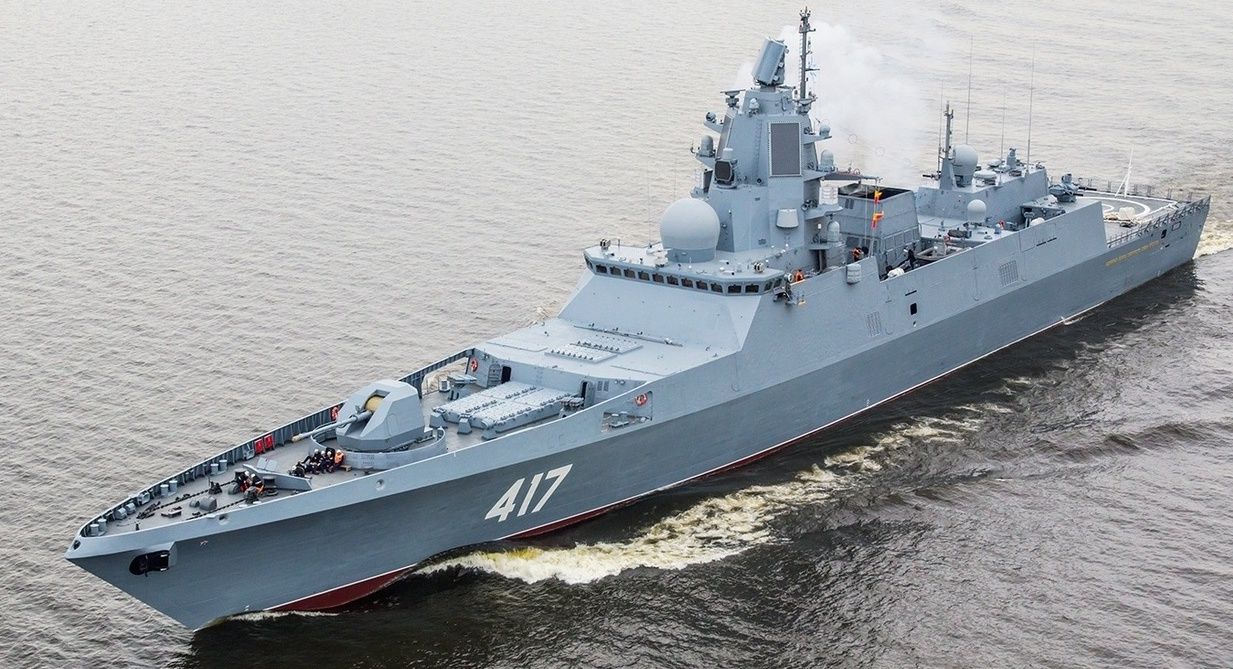
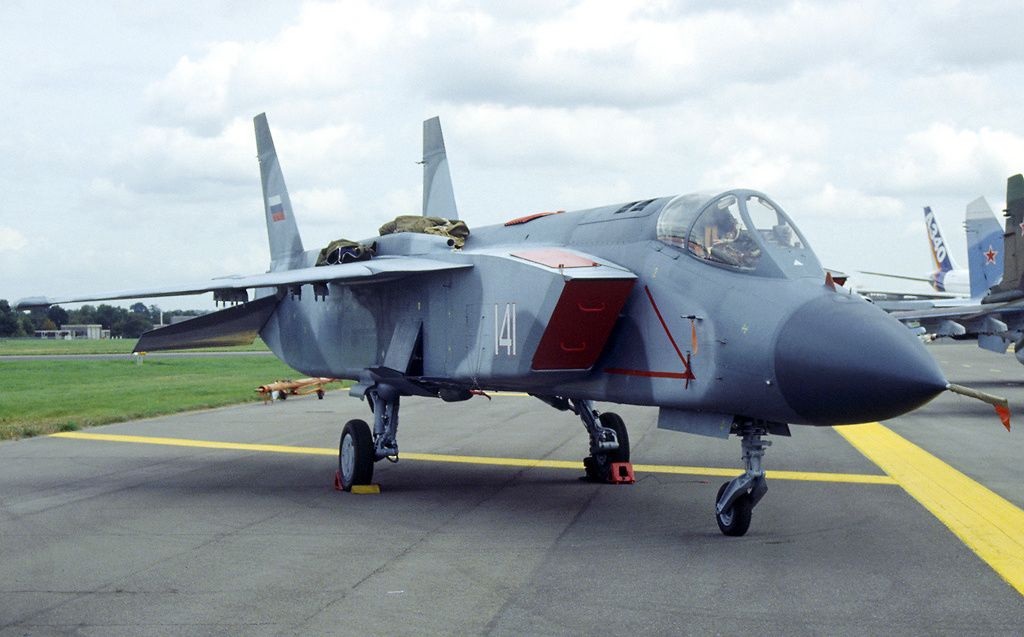
While the USSR was second to none as a carrier power, and a world leader in vertical takeoff technologies with a highly promising Yak-141 fighter reaching late prototype stage, its production capacity and technological base in this field would be largely lost following the state’s collapse. The Soviet Union’s largest shipyards were located in Ukraine, and saw much of their experts either left unemployed or recruited to work on the Chinese carrier program. Russia meanwhile has yet to build even a light destroyer-sized surface warship of over 10,000 tons - and until recently focused primarily on upgrading older ship classes and constructing more submarines. The construction of the Admiral Gorshkov Class frigates, heavily armed 5,400 ton ships, has among other programs demonstrated a refocusing towards modernisation of the surface fleet by the construction of new warships.
The two ships Russia plans to lay down in Crimea will reportedly be of similar size to the Mistral Class, meaning a displacement of little under 22,000 tons when fully loaded and around 16,000 tons empty. It is notable that despite France’s withdrawal from the Mistral agreement, Russia has reportedly gained full access to the Mistral’s technologies through its contracts to outfit the Egyptian Navy’s Mistral Class ships and provide them with a complement of Ka-52 attack helicopters. With France having cancelled the Mistral contract only under intense pressure from other Western states in 2014, and initially unwilling to do so, it is speculated that Paris may have tacitly agreed to some form of indirect technology transfer in this way. Russia for its part is reportedly developing a new class of fighter jet specifically designed to operate from the new light carriers - a successor to the Yak-141 with special vertical takeoff technologies allowing it to operate from a relatively small deck. The Russian Navy is meanwhile reportedly considering acquisition of heavier carriers displacing around 35,000 tons which will also deploy specialised vertical takeoff capable jets - in much the same way as China’s recently launched Type 075 Class carriers will.
Russian plans for acquisitions of light carriers notably come in parallel to ongoing discussions regarding the construction of a new class of medium or heavy carrier - which will either be a low cost conventionally powered design of similar displacement to the Kuznetsov Class or a heavier nuclear powered supercarrier of similar or heavier weight to the Ulyanovsk Class. Whichever option is chosen, these ships will be fitted with state of the art electromagnetic catapult launch systems and deploy modern fixed wing fighters - speculated to be carrier based derivatives of the Su-57. While these ambitious carrier programs are likely to take Russia into the 2030s to fully see through, and are heavily dependant on the country meeting its goals for economic growth, the ability to share technologies and potentially even parts of production lines with neighbouring Chain which has embarked on a far larger carrier program could significant reduce costs - as could the returns from exporting carrier related technologies once they are properly tested.
