
Myanmar Air Force Receives Twin Seat JF-17B Fighters Amid Air Force Modernisation Efforts
Military Watch Magazine Editorial Staff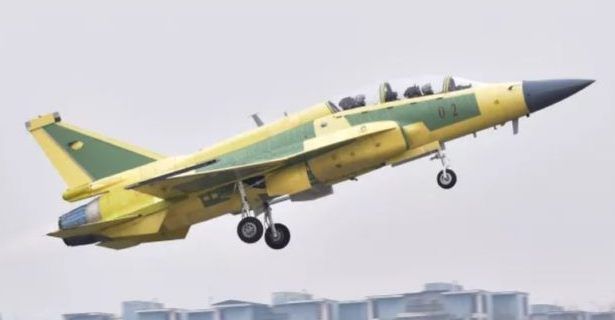
JF-17B Twin Seat Fighter
Recent footage has revealed that Myanmar’s Air Force has received its first JF-17B fighter jets - a twin seat variant of the JF-17 Block 2 jointly developed and manufactured by China and Pakistan. Myanmar is currently one of just two confirmed export clients for the JF-17 alongside the Nigerian Air Force, and has received over a dozen fighters. Orders for the JF-17 have come alongside an order placed in early 2018 for Su-30 air superiority fighters from Russia - the first high end heavy fighter jets in the history of Myanmar’s Air Force. The JF-17 is likely intended to provide an lighter complement to the Su-30, and is highly prized for its ease of maintenance, high sortie rate and compatibility with a wide array of high end Chinese munitions such as the PL-12 and YJ-12 missiles.
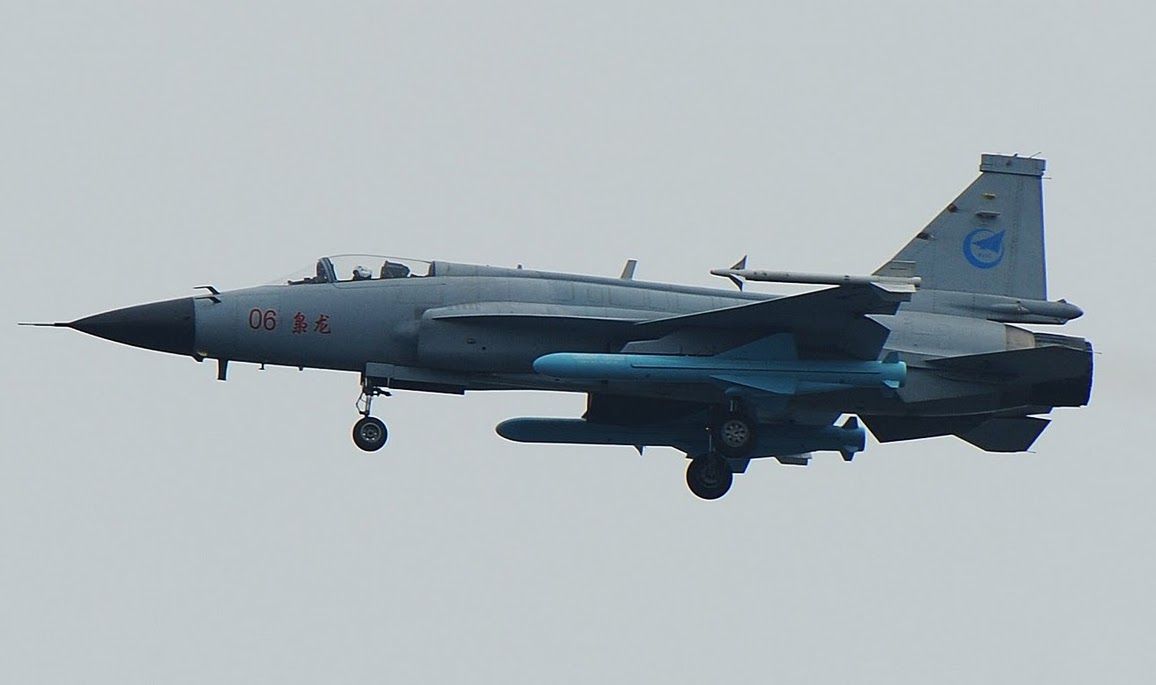
Myanmar’s Air Force has long been a major client for Chinese arms, and currently deploys apporixmiltey 30 J-7 fighter jets alongside almost two dozen Q-5 heavy attack jets. Complementary air defence assets include the Kai Shan and HQ-12 intermediate and short range surface to air missile systems. The JF-17 is likely intended to replace the J-7, and is intended to also replace J-7 fighters in the Nigerian and Pakistani fleets. The JF-17’s RD-93 turbofan engines, closely derived from the Russian RD-33 used by Myanmar’s existing fleet of MiG-29 fighters, will likely allow the JF-17 to use much of the infrastructure already in place in Myanmar’s to service the jets.
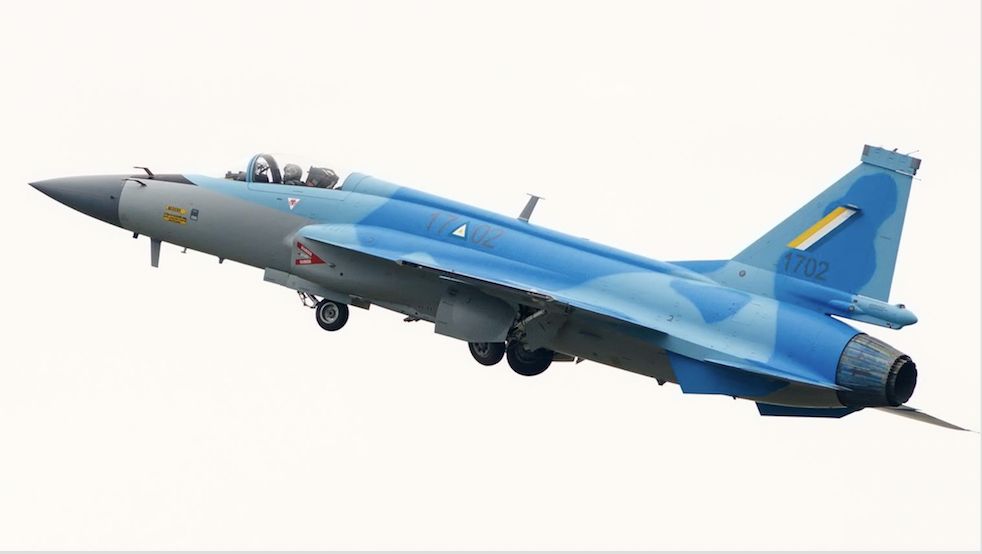
The JF-17B’s design incorporates a number of changes over the original JF-17 Block 2 fighter, which alongside addition of a second seat include modified flight control systems, a three-axel fly-by-wire control system, an extended nose, a changed vertical stabiliser, altered material proportions and a greater wingspan. The aircraft is also reported to house a more powerful radar than the original JF-17, though this remains to be confirmed, which would grant a greater degree of situational awareness. The fighter’s twin seat configuration also allows it to serve as a trainer for future JF-17 pilots - and will potentially allow it to serve as a more effective electronic warfare platform in which the second seat can accommodate a weapons systems officer to carry out electronic attacks while the pilot flies the plane and deploys munitions. The future of Myanmar’s Air Force, and whether it will purchase the enhanced '4+ generation' JF-17 Block 3 to eventually replace its MiG-29 fleet - or else opt for the more costly Russian MiG-35 - remains uncertain.
