
Key Fighter Unit Guarding U.S. Mainland Retires F-15s to Field New F-35 Stealth Fighters
Military Watch Magazine Editorial Staff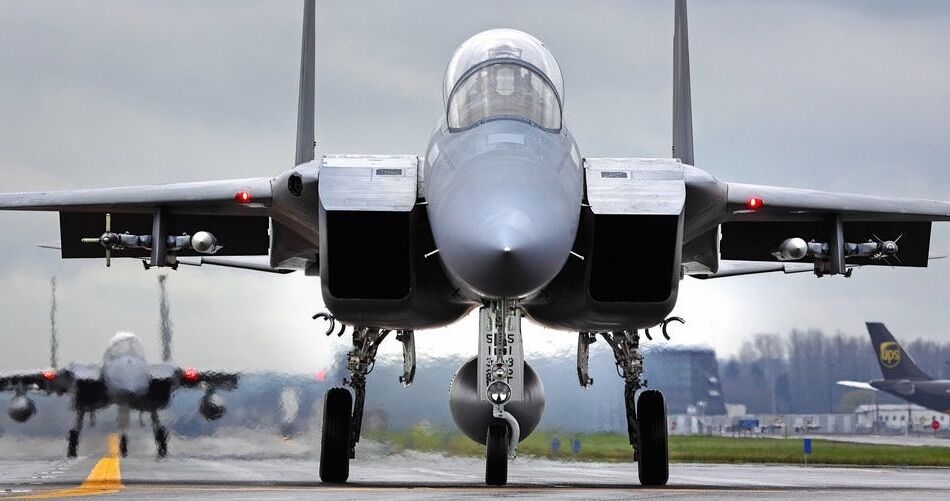
U.S. Air Force F-15C/D Fighters
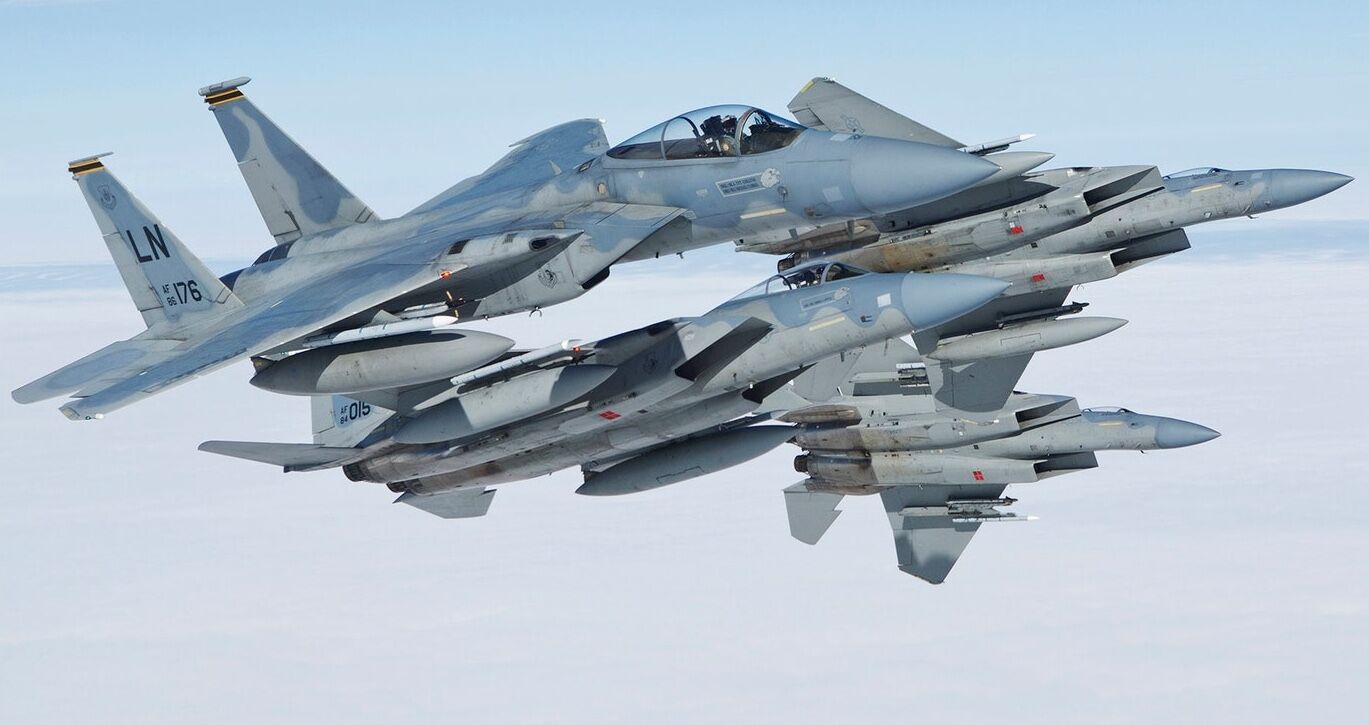
The Massachusetts Air National Guard's 104th Fighter Wing has formally entered a new era with the arrival of the F-35A fifth generation fighter at Barnes Air National Guard Base, replacing the F-15C/D Eagle long range air superiority fighter after 18 years of operations. The transition makes the 104th the latest U.S. Air National Guard fighter unit to transition from a fourth generation fighter type to the F-35, after the Air Force in April 2023 selected Barnes as the preferred location for an F-35A squadron. The final three F-15Cs departed Barnes on October 23, 2025, ending an 18-year association between the Massachusetts unit and the Eagle, as the old Cold War era jets are rapidly phased out of service.
The F-15 was initially intended to be replaced by the F-22 fifth generation fighter, which like the F-15 is a heavyweight twin engine design optimised for air-to-air combat. The F-22 program’s wide ranging shortcomings, however, resulted in a 75 percent cut to production, forcing the Air Force to rely on both the F-35 and on enhanced variants of the F-15 to replace older Cold War era F-15s. Developed under the Joint Strike Fighter program with an emphasis on penetration strike operations, the F-35 is not optimised for air-to-air combat, and has a significantly smaller radar, lower payload, shorter range, and more limited flight performance than the F-15.
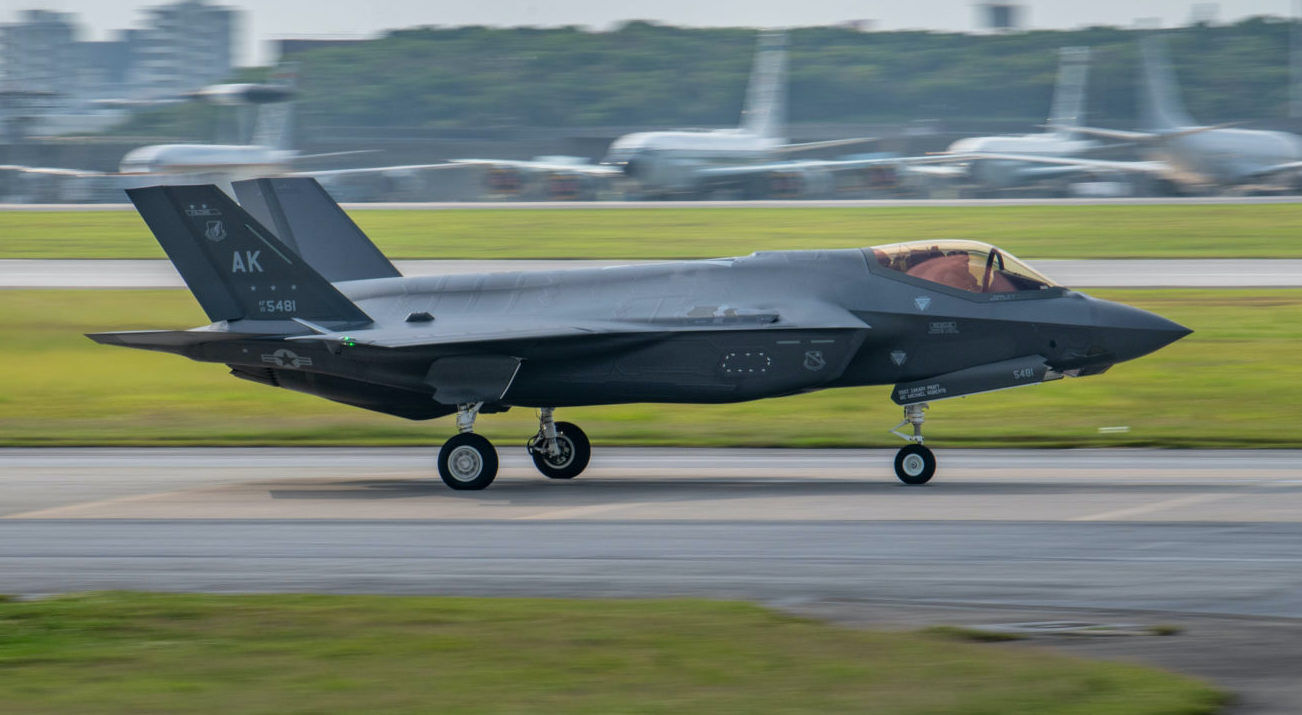
The 104th Fighter Wing is scheduled to receive 18 F-35As, although the Air Force has not disclosed how many have been delivered so far or when the unit will achieve full operational capability. The transition has required extensive preparation, including construction of new infrastructure, installation of specialised F-35 equipment and the training of personnel to operate and maintain the aircraft. The F-35's most important advantage is arguably its ability to combine information from multiple sensors and external sources into a single tactical picture. Rather than relying primarily on its own radar to identify and engage targets, the aircraft is designed to fuse information from its radar, electro-optical sensors, electronic-support systems and other aircraft and networks. This gives the pilot a much broader understanding of the battlespace than was possible with the F-15C.
Barnes maintains a 24-hour Aerospace Control Alert capability, allowing its fighters to respond rapidly to airborne threats over the northeastern United States. The F-35’s low-observable design fundamentally changes how the unit can conduct combat operations. The F-15C relied heavily on its speed, manoeuvrability, radar and long-range missiles to survive against enemy fighters. The F-35A is instead designed to reduce the probability of detection and engagement in the first place. As the only fifth generation fighter type in production in the Western world, the F-35 is considerably more advanced than the older F-22, and is considered in a league of its own with the Chinese J-20 and J-35 in terms of sophistication. As China makes major progress developing its first intercontinental range stealth bombers, air defence missions over the United States are expected to increasingly be prioritised.
