
Japanese and Chinese Combat Aircraft See Surge in Engagements Amid High Tensions
Military Watch Magazine Editorial Staff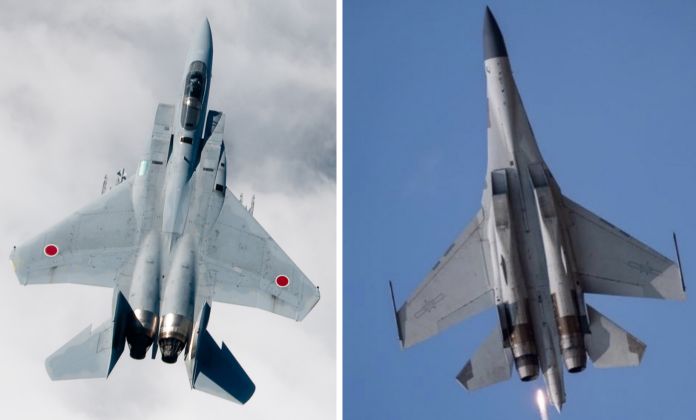
Japanese F-15J (left) and Chinese J-16 Fighters
The Japanese Ministry of Defense has reported a sharp increase in the Air Self Defense Force’s emergency fighter scrambles in December 2025, with 79 launches having been made to intercept foreign military aircraft approaching the country’s airspace. Fighters were scrambled only 33 times the previous month, with incidents in December representing 17.6 percent of the year’s total of 448. Chinese military aircraft accounted for 53 of the December scrambles, while Russian aircraft were responsible for 23. This followed a significant rise in tensions between Tokyo and Beijing near the beginning of December, after Japan’s new prime minister, Sanae Takaichi, threatened to intervene militarily in the ongoing conflict between the People’s Republic of China on the Chinese mainland, and the Republic of China based on Taiwan, which have for decades been in a state of civil war.
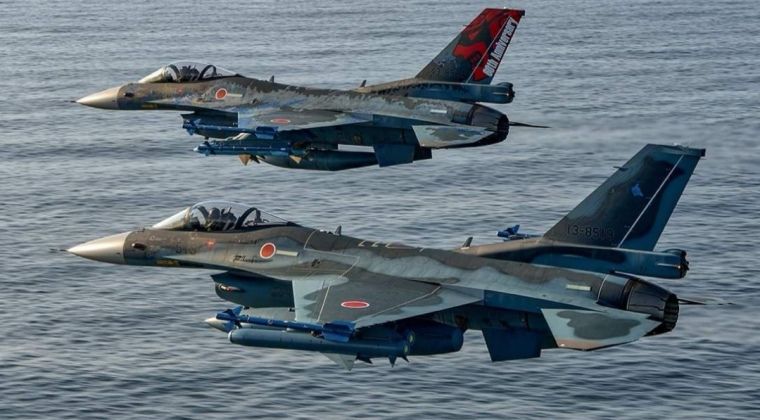
Two unprecedented engagements in December saw Chinese People’s Liberation Army Air Force J-15B fighters form radars locks on Japanese F-15 fighters over international waters southeast of Okinawa Island on December 6. Media outlets based on Taiwan reported that the Japanese military leadership were unsettled, to the point of being “freaked out,” by the results of the two engagements, as the U.S.-supplied fighters’ radar warning receivers were only able to notify pilots of the threats after a weapons lock had already been formed. Analysts have projected that in the event of a clash between the two fighter types, the F-15J would have already been close to being destroyed before Japanese pilot had time to react. While the J-15B is among the most capable ‘4+ generation’ fighters in the world, the F-15J that forms the backbone of Japan’s fleet remains technologically close to four decades behind.
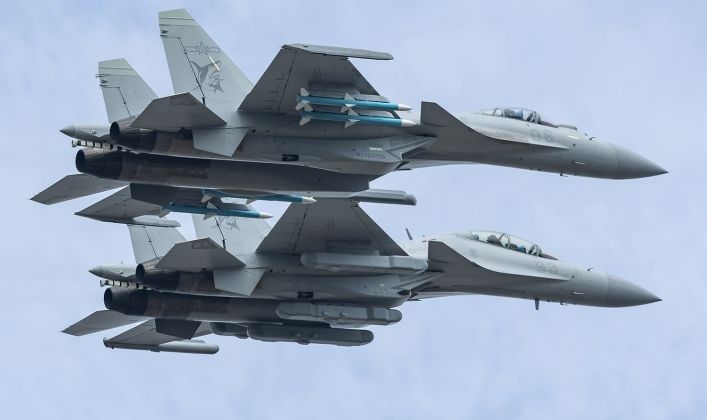
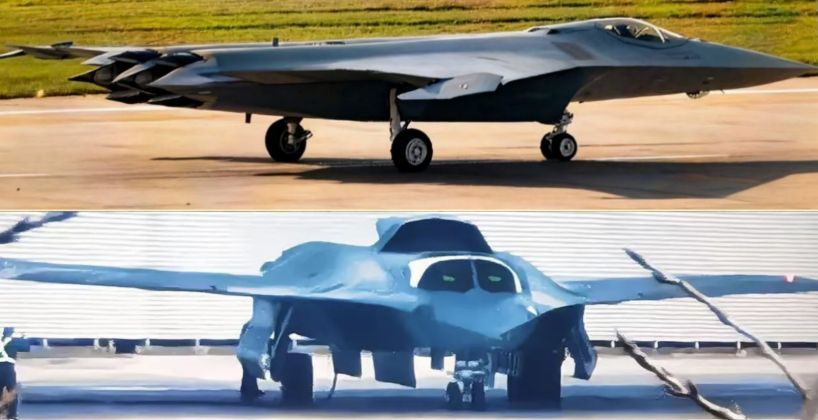
Japanese sources have reportedly observed that the F-15J’s radar can track the J-15B at ranges of around 100 kilometres, while the J-15B can track the F-15 at ranges of around 170 kilometres at a most conservative estimate, with the engagement between the two fighter types thus described by analysts as a “sobering awakening” for the Japanese military apparatus. The J-15B fighters were operating from the aircraft carrier Liaoning, which was conducting exercises as part of a strike group near Japanese territory. The exercises were widely interpreted as a response to the Prime Minister Takaichi’s statements. Not only is China’s carrier fleet fast modernising its capabilities, with the new supercarrier Fujian having been brought into service in November, but the technological advantages enjoyed by the country’s fighters are also growing fast, with its air force poised to lead the world by several years in fielding the world’s first sixth generation fighters, and already leading by several years in flight testing.
In an incident later in December Chinese People’s Liberation Army Air Force H-6 bombers, J-16 fighters, and Y-9 intelligence aircraft transited between Okinawa Island and Miyako Island, with Air Self Defence Force fighters from the Southwest Air Defence Force scrambled to respond. Japan has suffered from an increasingly unfavourable balance of power in the air, and although it has placed orders for F-35A fifth generation fighters, these suffer from a number of disadvantages against China’s own new fifth generation fighters like the J-20 and J-35. Not only will the F-35 fleet remain vastly outnumbered, but they will also continue to lack Block 4 software that is vital for high intensity operations at least until the early 2030s.
