
Japan’s ‘Super Interceptor’ Program to Deliver 20 Heavily Enhanced F-15s by 2030
Military Watch Magazine Editorial Staff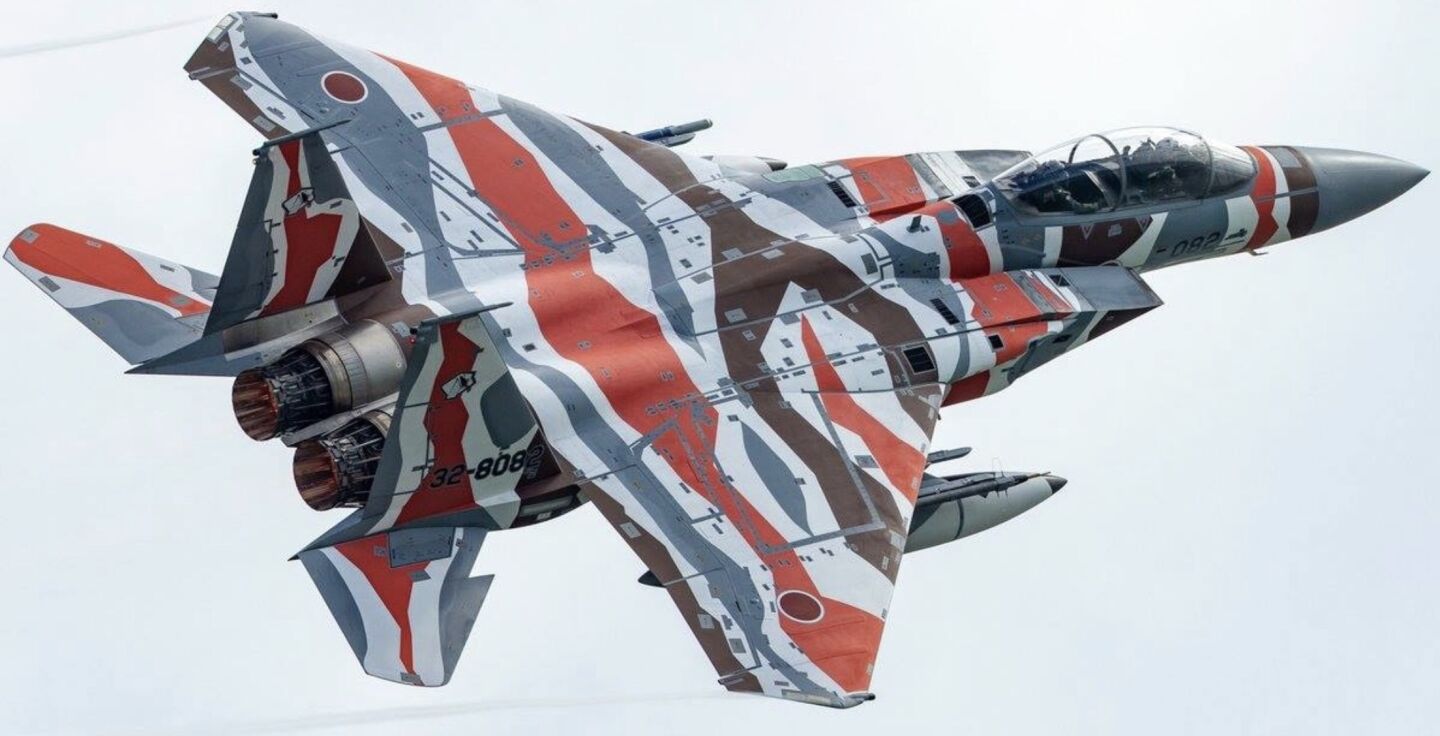
F-15J Fighter
Japan is advancing its F-15 Japan Super Interceptor (JSI) programme, with the first 20 upgraded aircraft scheduled to complete deployment by the end of fiscal year 2029. The program is intended to substantially extend the capabilities of selected F-15J Eagles operated by the Japan Air Self-Defense Force (JASDF), which were procured from the early 1980s and are currently considered decades past obsolescence. The revised schedule represents a delay from the original target of completing modifications to the initial 20 aircraft by the end of FY2027.
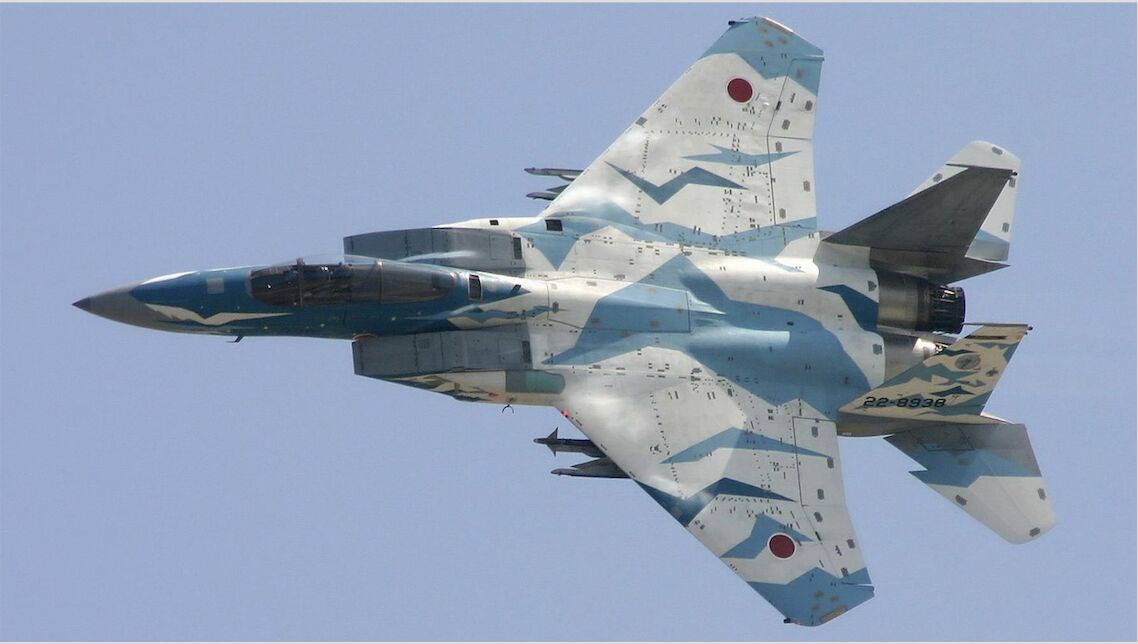
Japan initiated the F-15 capability enhancement programme in Fiscal Year 2019 as an effort to modernise a selected portion of its F-15 fleet, which is the largest in the world outside the United States. The JASDF originally received 213 F-15J and F-15DJ aircraft, with Mitsubishi Heavy Industries producing the large majority of the aircraft in Japan under licence. Although the F-15 was considered a premier air superiority fighter at the time, and provided a much needed counter to the Soviet MiG-25P Foxbat interceptors, their capabilities have increasingly fallen behind the cutting edge.
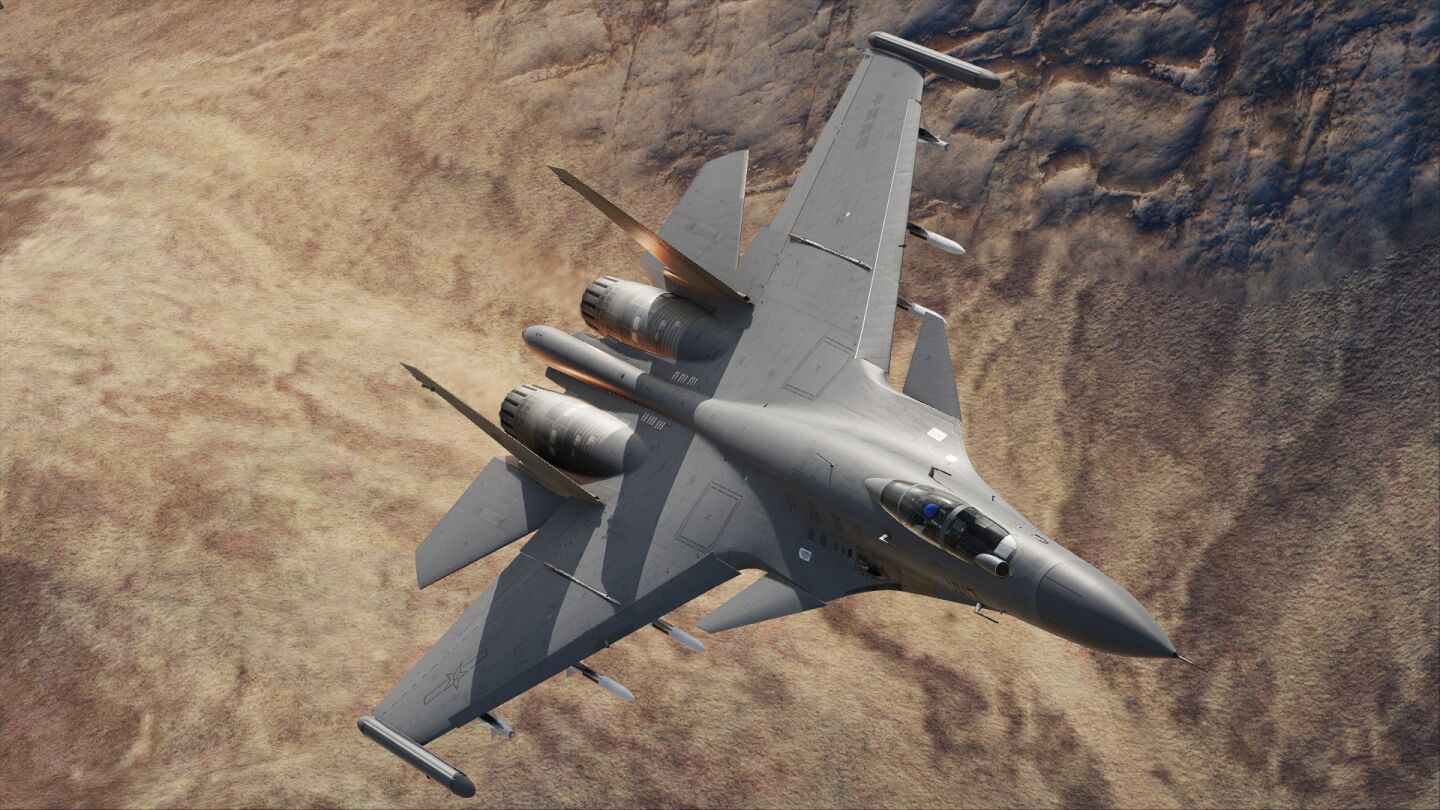
The obsolescence of the F-15J was highlighted in December 2025, when two unprecedented engagements saw Chinese People’s Liberation Army Air Force J-15B fighters form radars locks on Japanese F-15s over international waters southeast of Okinawa Island. Media outlets based on Taiwan reported that the Japanese military leadership were unsettled, to the point of being “freaked out,” by the results of the two engagements. The F-15s’ radar warning receivers were only able to notify pilots of the threats after a weapons lock had already been formed. Analysts have projected that in the event of a clash between the two fighter types, the F-15J would have already been close to being destroyed before Japanese pilots had time to react. This reflects a technological gap of approximately four decades between the J-15B and the F-15J.
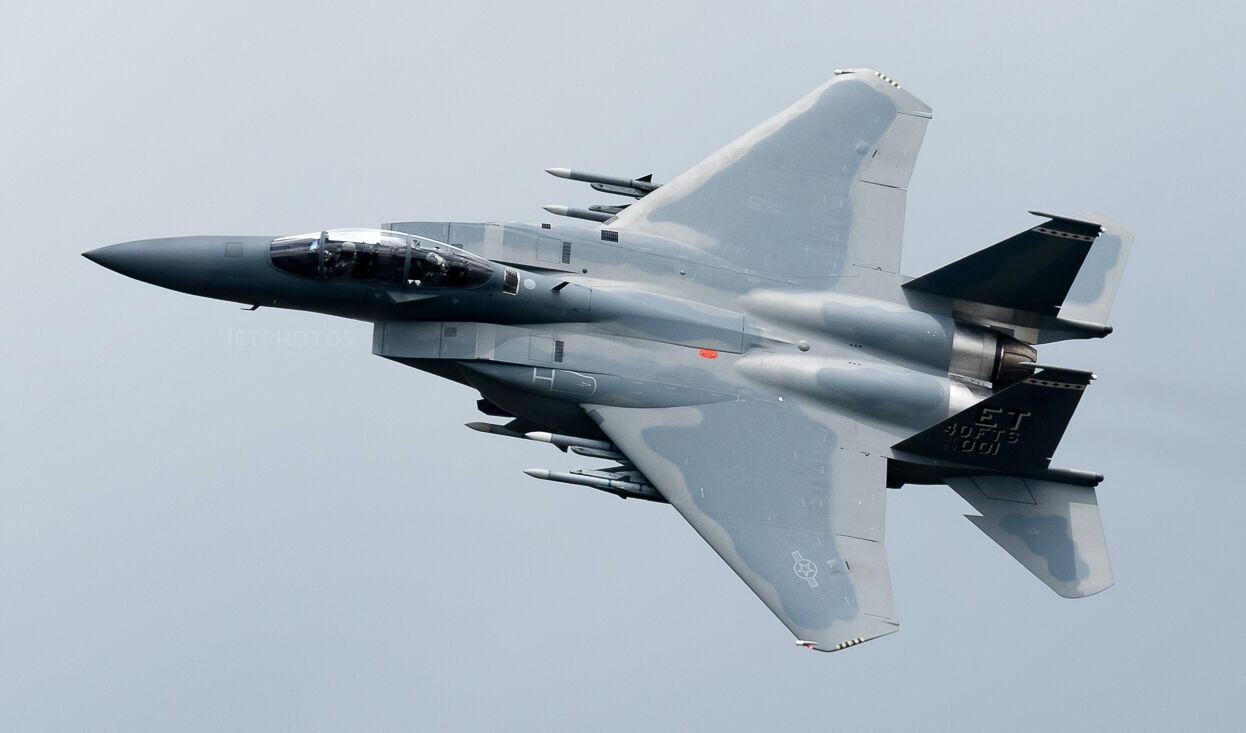
One of the most significant changes to the F-15 is the replacement of the F-15J’s mechanically scanned radar with the AN/APG-82(V)1 active electronically scanned array radar. The AN/APG-82 is derived from the radar technology developed for the F-15E Strike Eagle and provides substantially greater detection, tracking and multi-target engagement capabilities. Japan’s earlier request for the JSI configuration covered up to 103 APG-82(V)1 radars, including spares, although the programme was subsequently reduced from the originally envisaged fleet size. While the new radar will remain significantly weaker than those integrated on premier Chinese fighters such as the J-15B and J-16, it will represent a significantly improvement over their current Cold War era radars. Efforts to modernise Cold War era fighters are being made as China comes close to bringing the world’s first sixth generation fighters into service around 2030.
