
Iraq Resumes Negotiations for Long Ranged Russian Air Defence Systems
Military Watch Magazine Editorial Staff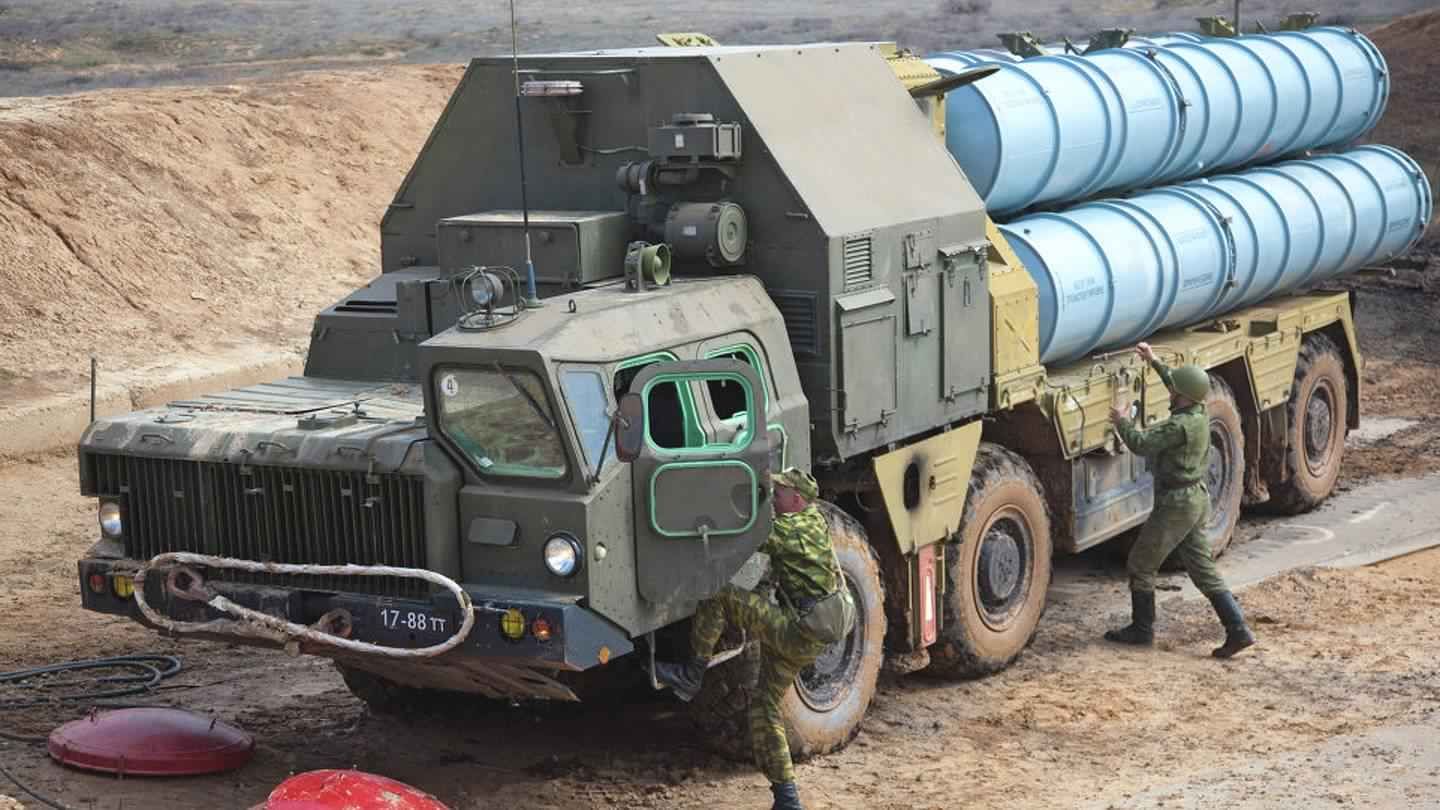
S-300 Surface to Air Missile Battery
Following reports from late 2017 that Iraq had sought to purchase Russian long ranged air defence systems, namely the S-400 Triumf system, Baghdad has repeatedly moved to restart negotiations to acquire such systems for its protection. According to Mohammad Ridha, chairman of Iraqi parliament’s Security and Defense Committee, the negotiations will focus on acquisition of the S-300 system. The chairman noted that American opposition to the deal was expected, with the U.S. having previously threatened Iraq with economic sanctions should it purchase the S-400. Renewed Iraqi interest comes amid multiple unauthorised strikes on its territory by the United States, and to a lesser extent by Israel and Iran, all of which have violated international law. Iraq’s air defence capabilities are currently negligible to non existent, with its F-16 and F-50 fighter jets lacking long ranged air to air missiles. The country's need for an improved air defence capability thus appears to be very urgent.
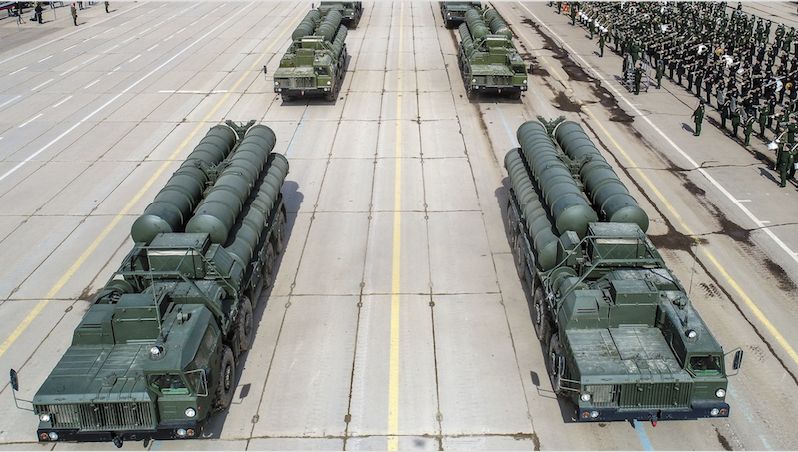
It is unclear why Iraq has shifted towards interest in the S-300 system from prior interest in the S-400. While the former system is less costly in all but one of its variants, the oil rich country has a very high defence budget and can very likely comfortably afford such an acquisition. It is possible, however, that the response from the United States in the form of economic sanctions will be less severe should Iraq purchase an older and less costly system. The S-300PMU-2 is the most popular variant marketed for export, and is a direct predecessor to the S-400 which was initially named ‘S-300PMU-3.’ The platform is fielded by neighbouring Iran and Syria, but dates back to the late 1990s in its service. Its capabilities are considerably inferior to those of the S-400 - able to engage far less targets simultaneously, fielding weaker sensors and electronic warfare countermeasures, and lacking the mobility or engagement range of the newer platform among other shortcomings. The S-300PMU-2 also lacks the S-400’s ability to function as a multi layered air defence network in its own right with a diverse range of munitions, meaning it is more reliant on support from complementary short and medium ranged platforms such as the BuK-M3 a S-350. A more capable but less common S-300 variant, the S-300V4, is specialised in neutralising enemy missiles and is newer and in some ways more sophisticated with access to the same long ranged missiles and greater mobility. It remains uncertain which air defence systems will be selected, for what purpose they are intended, or how harsh the U.S. response will be.
