
In the Firing Line Between Iran, America and Israel: Why Iraq Desperately Needs the S-400 System Recently Offered by Russia
Military Watch Magazine Editorial Staff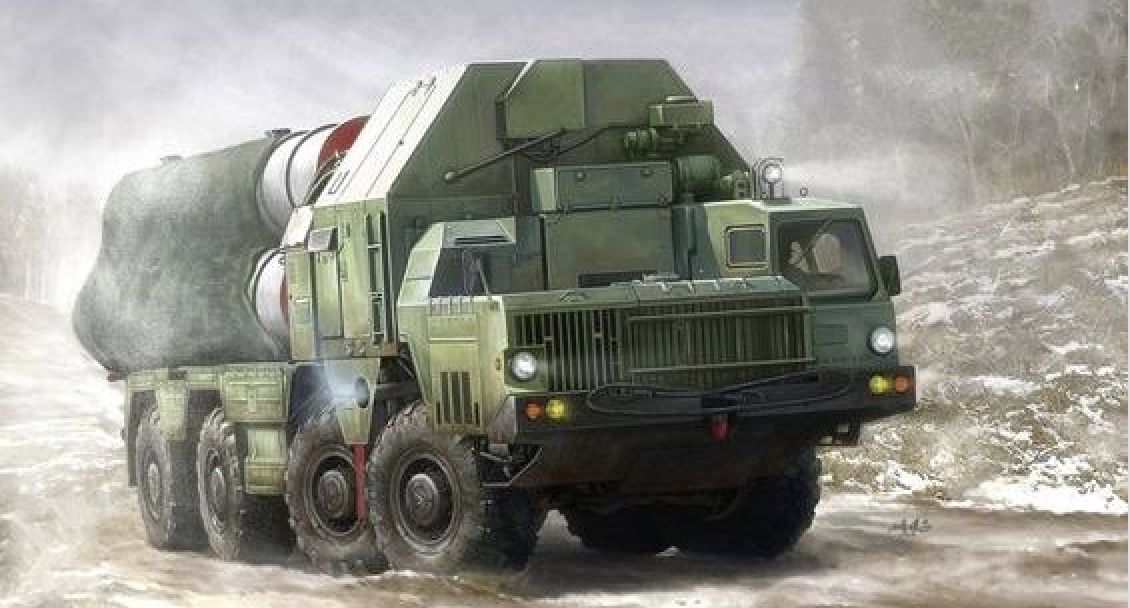
S-400 Surface to Air Missile Battery - artwork
As Iraq has increasingly found itself caught between Iran and the United States in their ongoing conflict in the Middle East, which has escalated considerably since the U.S. assassinated Iranian Quds Force commander Qasem Soleimani on January 3rd near Baghdad International Airport, Russia has reportedly stepped in to offer the oil rich Arab state the advanced S-400 missile defence system to improve its security. Iraq has shown interest in the S-400 since 2017, and with neighbouring Turkey having recently acquired the system and neighbouring Iran and Syria both deploying the older S-300PMU-2 Iraq’s air defences by comparison are negligible. Iraq formerly depended on the United States for protection, but with the country’s parliament having ordered U.S. forces to leave the country and many weary of a resulting over-dependance on Iranian protection, the acquisition of an advanced air defence system could be the most effective means to allow the country to protect its airspace and its sovereignty.
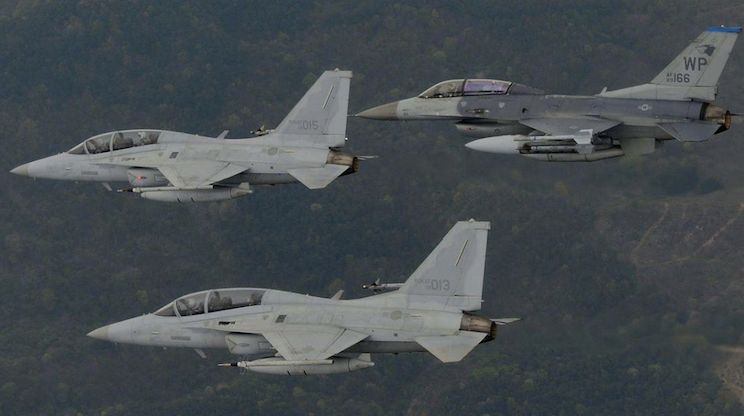
The Iraqi Air Force currently deploys two classes of fighter, the F-16C and the South Korean F-50 - neither of which are equipped with modern long range air to air missiles such as the AIM-120 needed to protect the country’s airspace. Combined with the country’s almost complete lack of ground based air defences, this has left Iraq with perhaps the most vulnerable and least well defended air space in the Middle East. While the S-400 is most capable when operating as part of a network alongside complementary shorter ranged systems such as the BuK-M3 and S-350, fighters such as the Su-35 and AWACS platforms such as the A-50 among other assets, the platform can still provide a formidable air defence capability in its own right due to its versatility. Unlike the American Patriot and most Western air defence systems which are restricted to one or two types of surface to air missile, the S-400 has access to half a dozen allowing it to form something of a small multi layered air defence network on its own - with each munitions type optimised for intercepting various types of targets at specific ranges and altitudes.
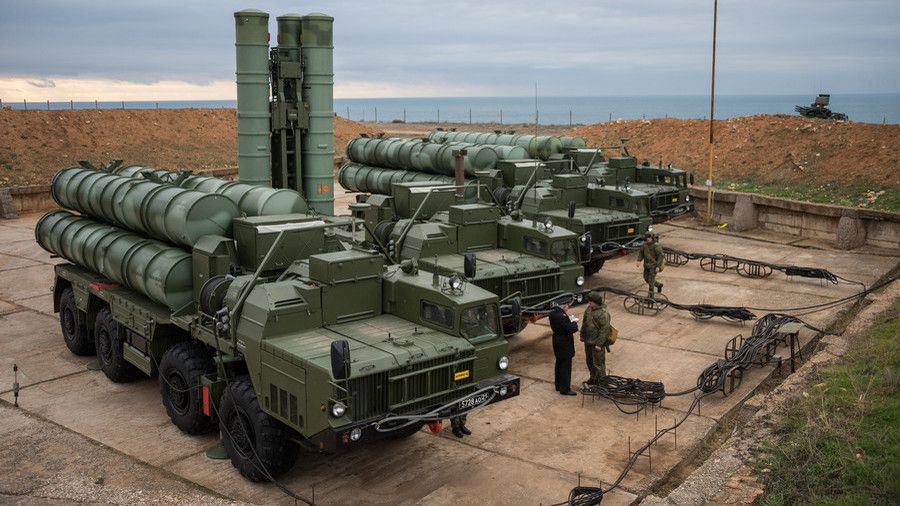
Iraq has previously been threatened with U.S. economic sanctions should it proceed to purchase the S-400, but considering the growing dangers to the country’s sovereignty including illegal Israeli airstrikes on its territory from late 2019, there appear to be few if any better alternatives to an S-400 purchase to offer the country some means if defending itself in the near future. Russia, for its part, has capitalised on Iraq’s strained position to offer the S-400 - stating that the system’s deployment was necessary to “ensure the country’s sovereignty and reliable protection of airspace.” Igor Korotchenko, a member of the Russian Defence Ministry's public council, noted regarding the offer: "Iraq is a partner of Russia in the field of military-technical cooperation… The Russian Federation can supply the necessary funds to ensure the sovereignty of the country and reliable protection of airspace, including the supply of S-400 missiles and other components of the air defense system, such as Buk-M3, Tor-M2 and so on." The S-400 would further allow Iraq to better monitor its airspace, which has frequently been violated without Baghdad’s knowledge due to a lack of adequate sensors. Iraqi airspace has a been used by Israeli jets to conduct airstrikes on Syria as well as, more recently, on targets in Iraqi itself. The platform is capable of detecting and targeting stealth aircraft such as the F-35, and can detect regular non-stealth aircraft at ranges of 600km or more. While the Iranian response to an Iraqi S-400 purchase remains uncertain, the Western Bloc and Israel are likely to react extremely negatively to such an acquisition.
