
Iran Orders Cutting Edge Russian Tri-Seeker Surface-to-Air Missile Systems to Prepare For Western Air Assault
Military Watch Magazine Editorial Staff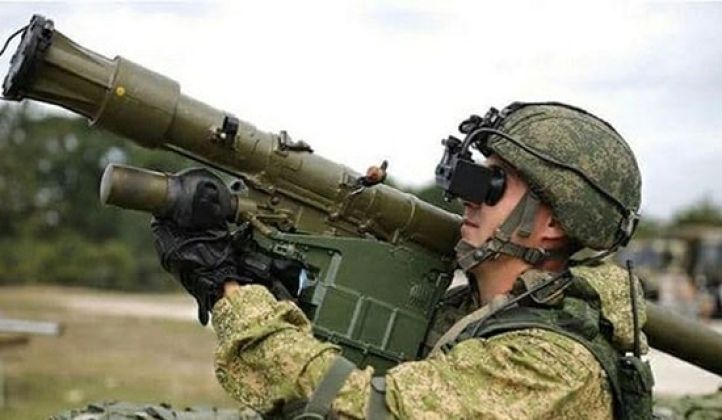
9K333 Verba Surface-to-Air Missile Launcher
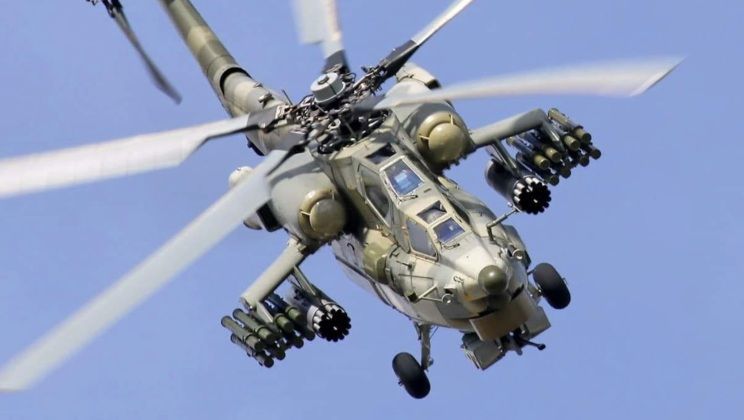
Leaked Russian government documents have indicated that the Iranian Defence Ministry has singed an arms deal valued at $580 million to procure 500 9K333 Verba man-portable short range surface-to-air missile launchers and 2,500 associated 9M336 missiles over three years. The deal was reportedly negotiated between Russian state arms export conglomerate Rosoboronexport, and the Moscow representative of the Iranian Ministry of Defence and Armed Forces Logistics. It has been widely speculated that the costs of the procurement may be covered by Iran’s large scale defence exports to Russia, most notably those of drone types such as the Shahed 136, which is currently being produced in Russia under license. The procurement follows the placing of orders for Russian Su-35 air superiority fighters, which have yet to be delivered, as well as Mi-28 attack helicopters which began deliveries in January.
Having been brought into service only in 2014, Verba is widely considered the world’s most capable man-portable air defence system, and while far more costly than preceding Russian systems, it has very significant performance advantages. Most notably, it is the only known man-portable system with a three-spectral seeker, giving it a qualitative edge against modern countermeasures. These include ultraviolet, near-infrared and mid-infrared seekers. The system was also designed to have a high capability to discriminate targets from background heat sources, flares, and Directional Infrared Counter Measures (DIRCM). The ability to engage targets at 6.5 kilometre ranges, and at altitudes of up to 4.5 kilometres, is also significant, with its altitude reach surpassing all known handheld air defence systems in service. The sensitivity of its tri-sensor system is key to its particularly long target lock range.
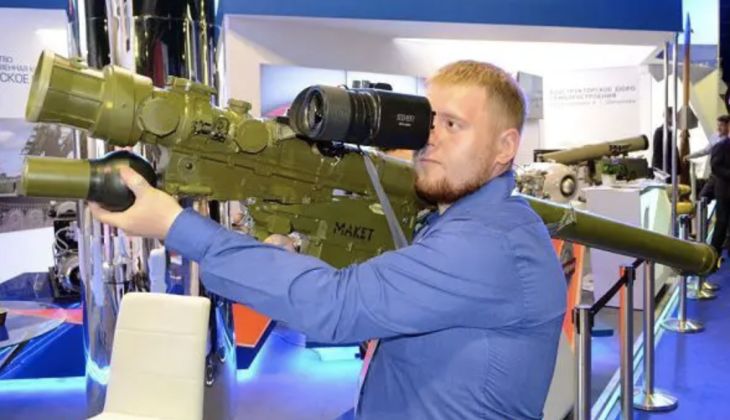
The Verba`s command & control system allows for the determining of targets’ flight variables and distribution of acquired targets between launching units, thus allowing systems distributed over wide areas to form defensive networks. Its new integrated automated control system terminal allows dispersed batteries to coordinate their fire, and use data from radars and aircraft, potentially including the airborne radars of Iran’s newly procured Mi-28 helicopters and Su-35 fighters. After tracking potential targets before they are within engagement range, the system can automatically assign tasks to launcher crews that are best poised to fire on the target, with this automation reportedly reducing reaction times by a factor of ten. Despite its range, complex sensors, and advanced fire controls, the each loaded launcher weighs just 17.25 kilograms, ensuring that it allows for infantry mobility.
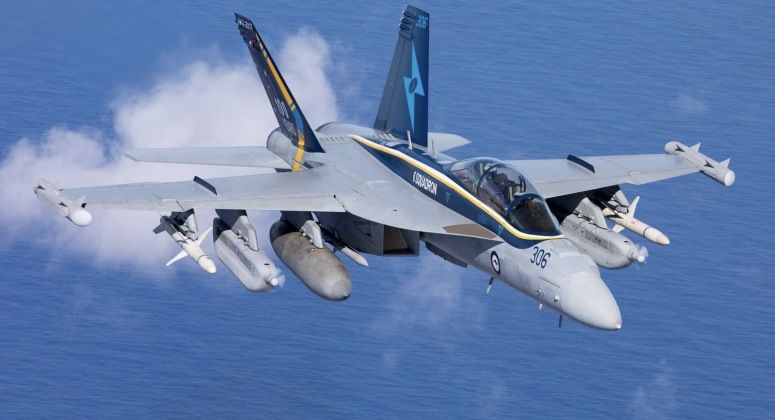
The Verba was specifically designed for the modern battlefield, where small unmanned aircraft and cruise missiles with low infrared signatures are fielded widely, with its fuze and seeker allowing near-miss kills against fast or manoeuvring targets. Launchers have reportedly been sold to Iran at $47,000 each, and 9M336 missiles at $200,000 each. A potential shortcoming of the Verba system, however, is that it was previously sold to Syria, the government of which was toppled in December 2024 by Turkish-backed insurgents, placing its arsenals at the disposal of a NATO member and making it likely that any high value Russian systems have already been extensively analysed with the goal of developing effective countermeasures. It remains possible that updates to the systems’ seekers have been made to reduce their vulnerability in this regard.
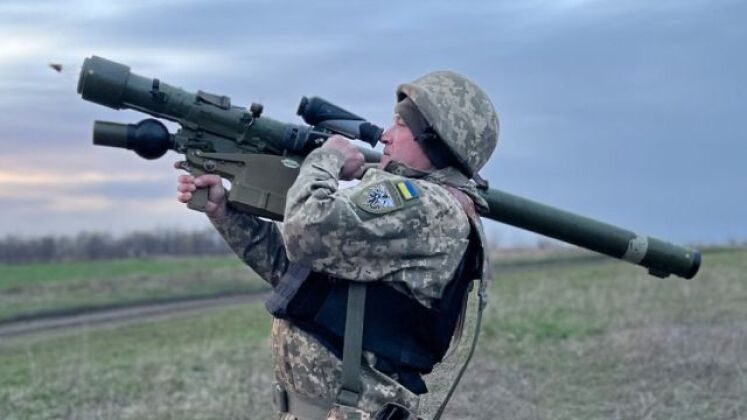
The value of handheld surface-to-air missile systems has from 2022 been demonstrated in the Ukrainian theatre, after the country inherited considerable quantities of Soviet systems such as the 9K38 Igla, while also receiving small quantities U.S. FIM-92 Stinger systems. A Soviet man portable surface to air missile reportedly shot down a Russian Su-34 strike fighter on March 5, 2022, possibly after multiple rounds of heat seeking surface fire weakened the aircraft's countermeasures, with Igla and Stinger systems having also brought down at least two Russian attack helicopters by that time. A number of other kills against Russian assets by Iglas and Stingers have been reported, although most remain unconfirmed. The primary value of these systems was that they could be integrated into infantry formations, while emitting no radar signatures, allowing them to be used with little warning.
