
Iran’s Most Advanced Hypersonic Glide Weapon Sees Capabilities Detailed by Senior General After Combat Testing
Military Watch Magazine Editorial Staff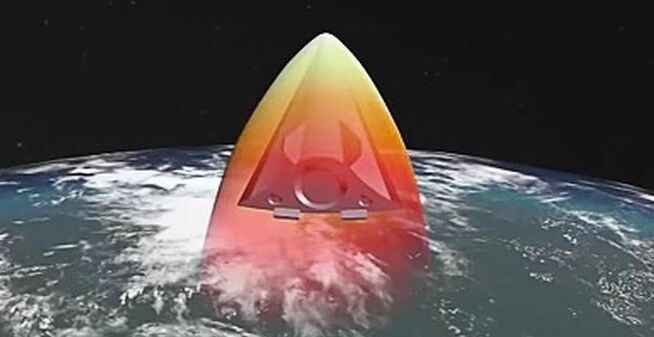
Artwork Showing Avangard Hypersonic Glide Vehicle in Flight
Iranian Islamic Revolutionary Guard Corps Brigadier General Ali Reza Balali has offered insight into the manoeuvring capabilities of the Fattah-2 hypersonic missile, describing a guidance and flight-control approach intended to make its trajectory difficult for an adversary to predict. The hypersonic glide vehicle (HGV) system was designed to manoeuvre during flight and penetrate advanced missile defence networks. “The Fattah-2 missile manoeuvres using different algorithms, not just a single one,” Balali stated. “This makes it impossible for the enemy to predict its future position and position an interceptor missile along its trajectory to shoot it down.” He argued that Iran had designed the weapon specifically to exploit weaknesses in opposing missile defence systems, adding: “In other words, they have the capabilities and technology to deal with a particular type of threat, but we know their capabilities, their strengths, and their weaknesses.”
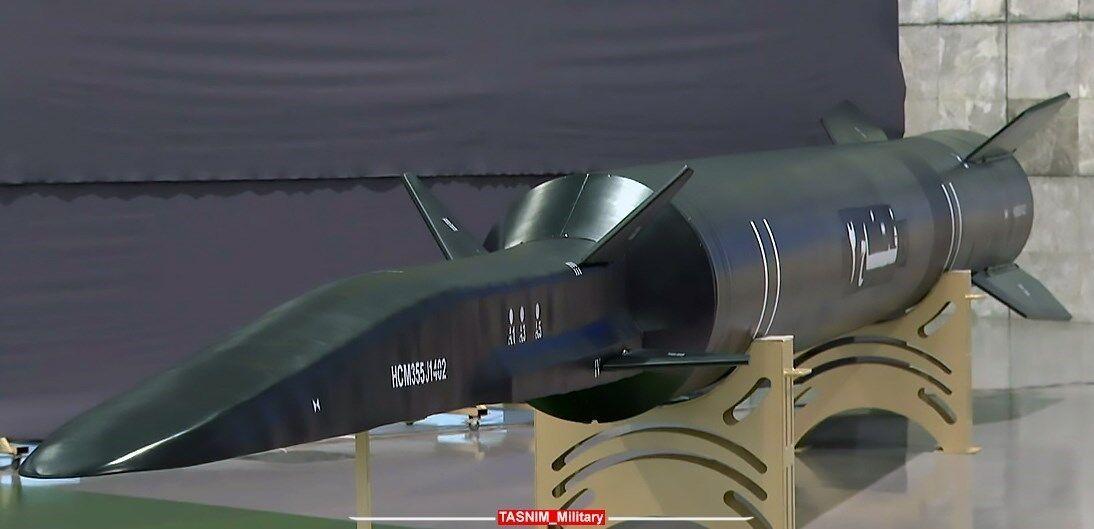
Balali revealed that the missile could reach its target without an adversary identifying the direction from which the attack originated. “By exploiting those weaknesses, we’ve developed a weapon that can reach its target without the enemy even realising where the strike came from,” he said. He attributed the development to Iran’s domestic defence industry, stating: “This is possible because our weapons production is entirely indigenous. It’s our own technology. Whatever we need, we design it ourselves and manufacture the weapon ourselves.” There has been considerable speculation since the missile was unveiled in 2023 that it benefitted from extensive technology transfers from North Korea, which had brought multiple hypersonic glide vehicles into service in the preceding years.
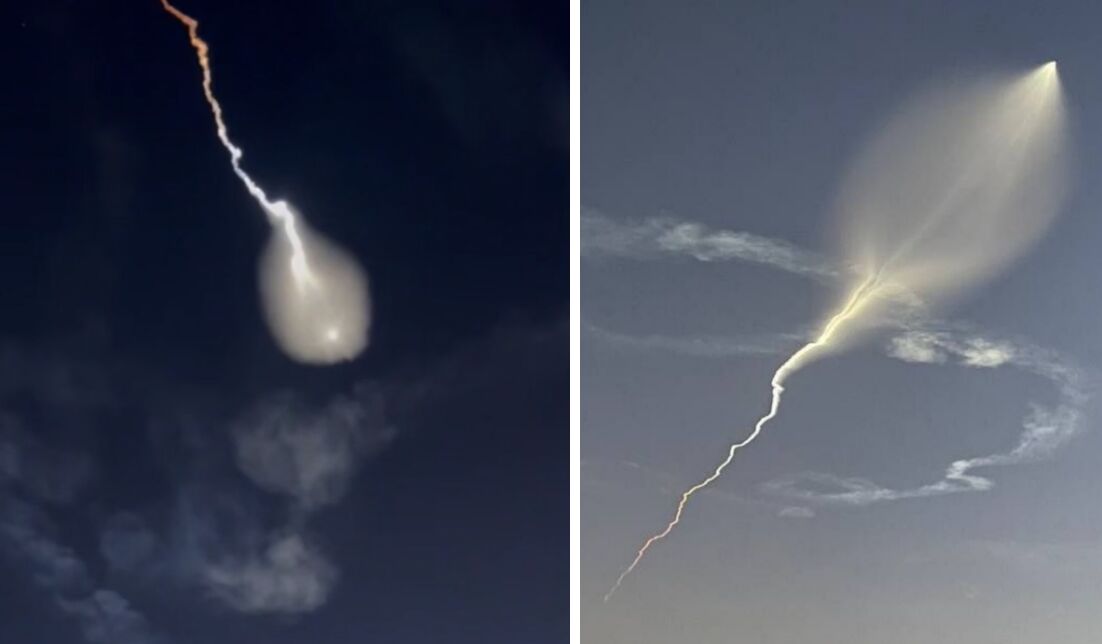
Shortly after the United States initiated hostilities against Iran on February 28, footage on Mach 3 showed the moments a Fattah-2 impacted an Israeli target. This was reported to have been a fortified Israel Defence Forces command centre, with the strike causing the deaths of seven senior officers and multiple additional casualties. The trajectory and speed of the impact closely resembles that of the Russian Oreshnik ballistic missile seen in use against targets in Ukraine in January, which also integrates hypersonic glide vehicles, supporting Iranian reports that such vehicles have been used for strikes against Israel. Although Iran in June 2025 reported the use of the older baseline Fattah ballistic missile against Israeli targets, which local sources referred to as a “hypersonic missile,” this missile used an advanced manoeuvring reentry vehicle, rather than a genuine hypersonic glide vehicle. The Fattah-2, by contrast, was first reported used in early 2026.

Providing an indication of the extent of the threat posed by Iranian hypersonic glide vehicles, president of the leading Israeli missile defence system developer Rafael Advanced Defence Systems, Yuval Baseski, in August 2025 highlighted that this had forced the firm and the Israel Defence Forces to rethink their approach to missile defence. “Hypersonic missiles open a new era in air defence,” he observed, warning that traditional approaches to missile defence could not be relied on against them. “Every air defence system today is based on flying faster than the target. But this principle does not apply to hypersonic missiles. To intercept an object moving at Mach 10, one would need a defence moving at Mach 30, which is impossible in the atmosphere due to friction,” he stated. He suggested developing a “zone defence” model, under which multiple interceptors covered defined areas and engaged threats as they approached.
