
Iran’s New 4000km Range ‘Kamikaze’ Drone is a Strategic Game Changer: Shahed 136B Puts Key Bases Across Europe in Range
Military Watch Magazine Editorial Staff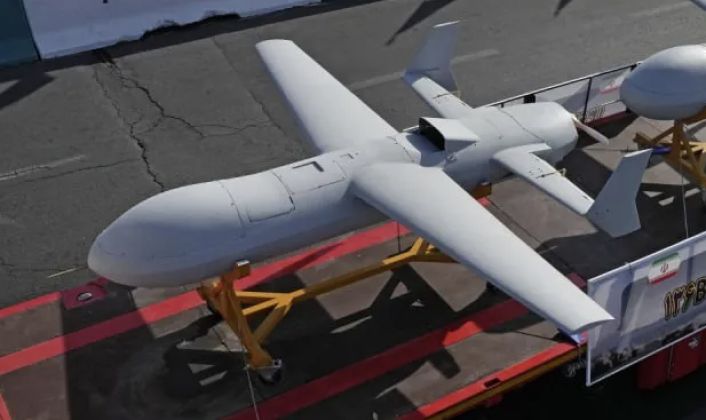
Shahed 136B Extended Range Drone
The Iranian Armed Forces on September 21 unveiled a new class of single use ‘kamikaze’ drone, the Shahed 136B, which promises to revolutionise the country’s ability to launch very low cost long range precision strikes. The unveiling follows multiple successes by older and shorter ranged Iranian kamikaze drone designs in the Ukrainian theatre, where they made their combat debut in September 2022 and quickly emerged as one of the Russian Armed Forces’ most valued strike assets. Preceding deployment in Ukraine, such drones were combat tested extensively in the Middle East, including not only against Western, Israeli and Turkish backed jihadist groups in Syria, but also possibly in Saudi Arabia where they were thought to have targeted oil facilities in 2019. The strike on Saudi saw several layers of Western-supplied air defences left effectively useless, and represented a significant show of force. The Shahed 136 is a single use asset designed to use its explosive laden body as a weapon, hence gaining them the name ‘kamikaze’ or ‘suicide’ drones as they are conceptually a hybrid between an unmanned aircraft and a cruise missile. Such aircraft are considerably less costly than cruise missiles.
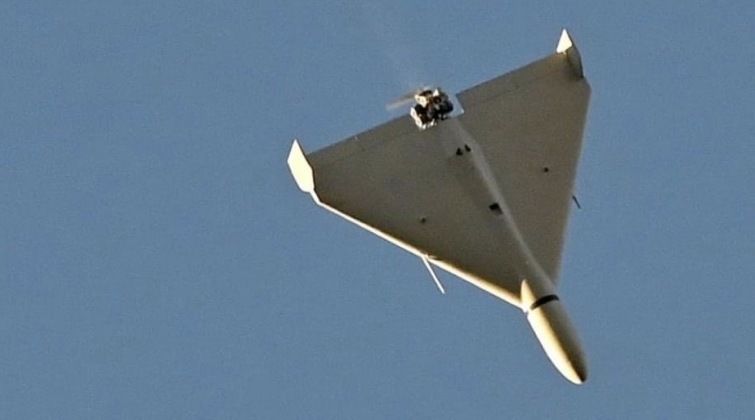
Where the baseline Shahed 136 drone exported to Russia had a 2500 kilometre range, the Shahed 136B variant boasts a much extended 4000 kilometre range and carries a significantly larger warhead. The drone also makes use of a turbojet engine - making it more similar to a cruise missile - and boasts improved stealth capabilities. The ability to engage targets up to 4000 kilometres away allows Iran to engage targets deep into European territory, including U.S. and allied military bases and other key infrastructure. Examples of targets within reach include Ramstein Air Base in Germany, Camp Bondsteel in former Yugoslavia, and Mihail Kogalniceanu Air Base in Romania, all of which are key to the Western Bloc’s ability to project power. The significance of this reach is only greater when considering that this can be done with a very low cost asset that can be deployed in tremendous numbers, and represents a strategic game changer for Iran’s ability to deter potential Western attacks, and if necessary retaliate against them. Iran was previously thought to have gained a medium range strike capability through acquisitions of early variants of the North Korean Hwasong-10 ballistic missile in the mid 2000s, and has since developed longer ranged missiles with Korean support. The vast majority of its missile arsenal, however, can only reach regional targets such as U.S. bases in the Persian Gulf or arms depots in Israel.
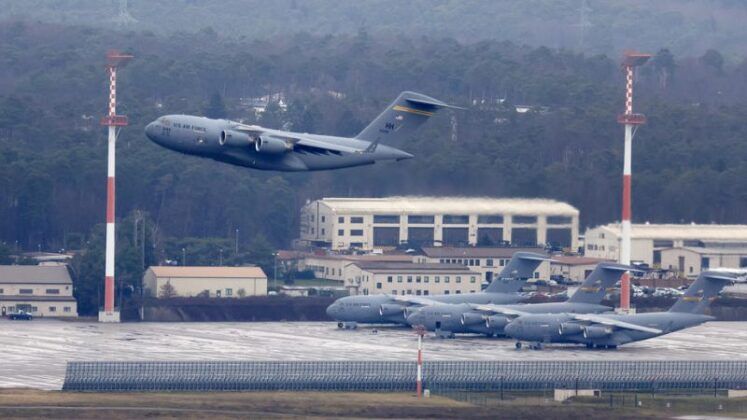
A 4000 kilometre range single use drone has the potential to be highly attractive to a wide range of clients. In Russian hands it would place almost all of Western Europe within reach, while if deployed by North Korea it would complement its existing ballistic missile strike capabilities aimed at Guam. With the new drone having little in common with the original Shahed 136, it remains a significant possibility that the use of the designation Shahed 136B is intended to capitalise on the significant publicity which the older and much smaller drone class has gained from its operations in the Ukrainian theatre in order to better market the new class for export. With Iran lacking an ability to strike the United States mainland as Russia and North Korea can, the ability to strike targets in Europe is particularly important to deterring possible Western assaults. Following Western military assaults on Iraq, Libya, Syria and other states around the world outside its sphere of influence, which have consistently devastated the targeted countries, deterring the West has been a central focus of Iranian military planning. Although Iran’s defence sector has consistently failed to achieve large scale production of promised new conventional systems such as tanks and fighter aircraft, drones have proven to be a particular strength of the country’s industries. Alongside ‘kamikaze’ drones, the advanced stealth capabilities of its flying wing combat, reconnaissance and transport drones having made a particularly strong impression on the country’s adversaries.
