
Indian Sources Claim China Has Redeployed 40 J-10 Fighters to Bolster Pakistani Kashmir
Military Watch Magazine Editorial Staff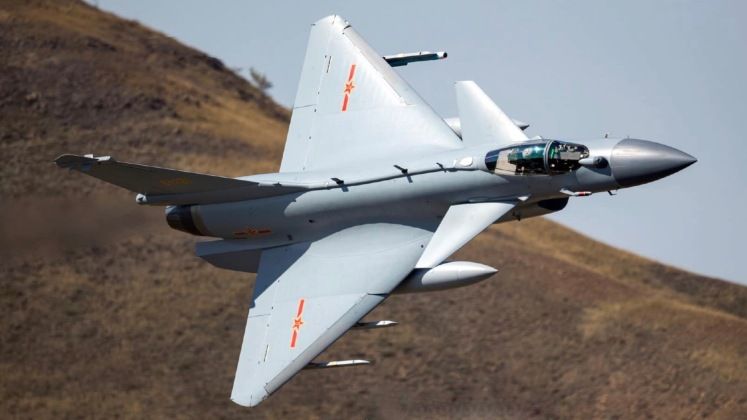
Chinese J-10 Multirole Light Fighter
A number of Indian media outlets have reported that China’s People’s Liberation Army Air Force has deployed J-10 fighter jets to Skardu Airbase in the disputed Pakistani controlled region of Kashmir. The deployment places the figthers within range of the Indian border - and considerably closer to Indian territory than any Chinese controlled airbases. The reports come amid rising tensions in the Ladakh region, after a major clash in the Galwan Valley area saw Indian forces take over 150 casualties. It also follows a series of major skirmishes between Indian and Pakistani forces in 2019, which saw clashes between the fighters fleets of both countries the outcome of which remains disputed. While China has deployed elite J-16 heavyweight fighter near its own border with India, and these aircraft are thought to have a considerable performance advantage over Indian fighter classes, Pakistan’s air force lacks modern medium or heavyweight classes of aircraft or any ‘4+ generation’ designs.
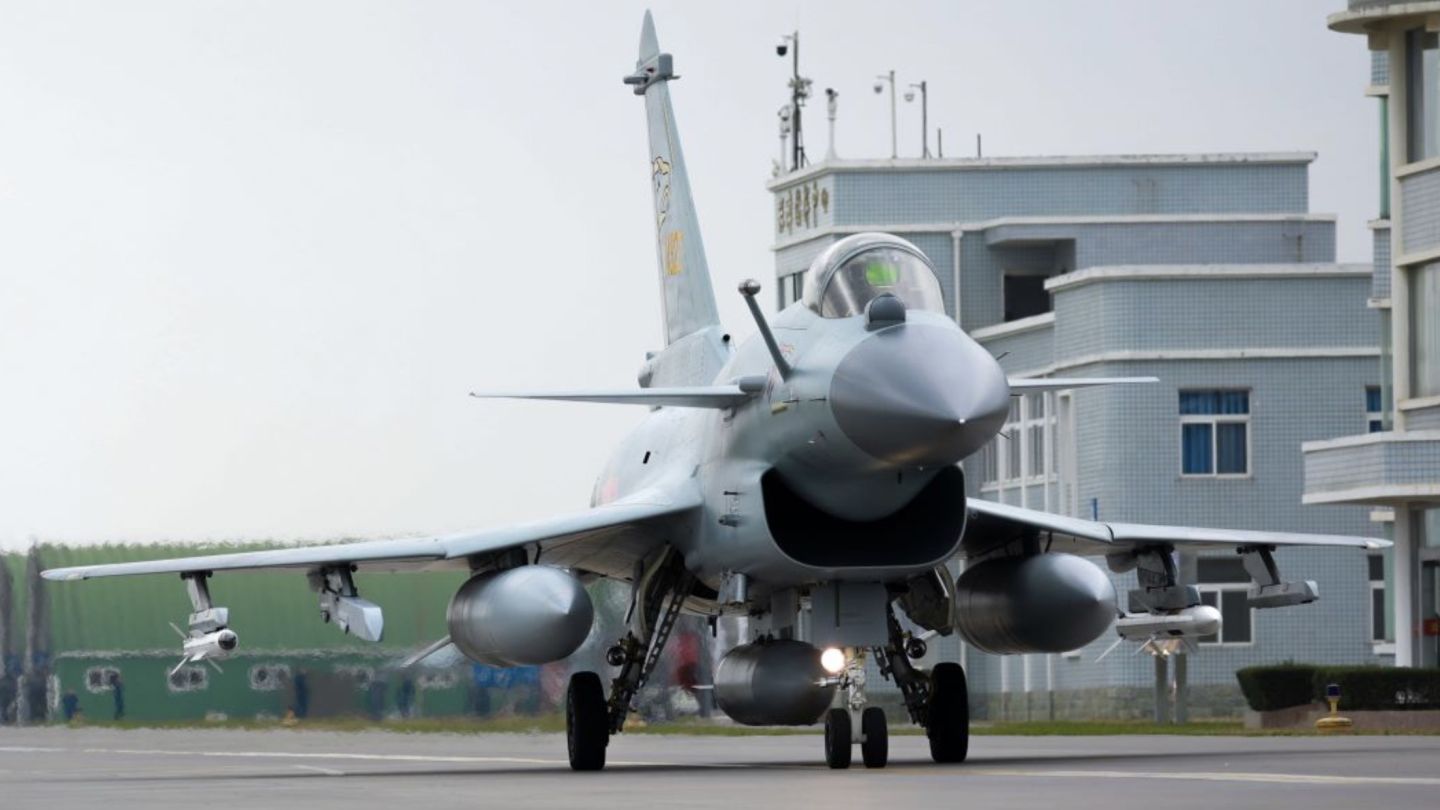
Although much lighter than the J-16, or than India’s more modern fighter classes such as the Su-30MKI, MiG-29UPG or Rafale, the J-10 is still considered more capable than any fighter currently in Pakistani service. The presence of a unit of 40 near the Indian border at a time of high tensions could provide a key boost to allied capabilities should another round of hostilities break out. It remains uncertain, however, which variant of the J-10 has been dispatched, with the latest J-10C variant already in service in considerable numbers and potentially representing a much more serous game changer for India’s Western border. The J-10C is a ‘4++ generation’ design and boasts a number of advanced features well ahead of anything in either Indian or Pakistani service. These include three dimensional thrust vectoring engines, a radar cross section reducing profile, modern stealth coatings, a powerful AESA radar and access to PL-15 AESA radar guided air to air missiles. It also deploys the PL-10 missile for short ranged engagements, which is capable of high-off bore-sight engagements and can engage targets beyond 90 degrees providing a significant advantage over aircraft such as the Pakistani F-16C or Indian Rafale in short range engagements. It remains to be seen how the ongoing standoff will evolve, with India confirming an order for new Russian fighter jets and planning the deployment of its first S-400 air defence battalion near the Pakistani border possibly before the year’s end.
