
How Well Can America Intercept Bomber Attacks on Its Homeland? Major Exercises Put Defences to the Test
Military Watch Magazine Editorial Staff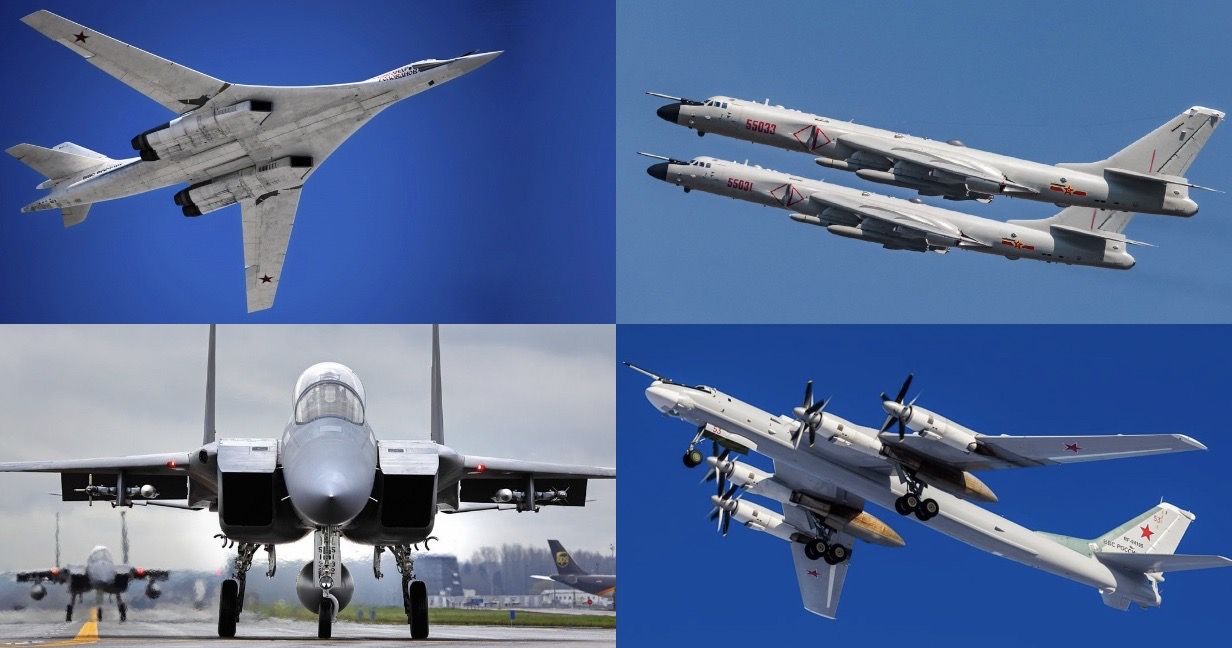
(clockwise from top left) T-160, H-6, Tu-95, F-15C
The U.S. Military has begun major exercises to practice intercepting attacks by long range bombers against the American mainland, with multiple combat commands and the North American Aerospace Defense Command (NORAD) jointly pursuing this task. NORAD Commander General Terrence O’Shaughnessy stated regarding the exercises: “The high-end training we are conducting enables integration between strategic-level organisations who all play a significant role in the most important mission for our nation – defending our homeland.” The exercises are taking place in the Atlantic from May 28th to May 31st. Such exercises have been rare particularly since the Cold War, but come amid growing tensions with near peer adversaries China and Russia. Although Russia and the United States remain the only two states deploying intercontinental range bombers, China has equipped its H-6 theatre bombers with increasingly sophisticated standoff munitions allowing them to threaten U.S. targets at extreme ranges. All three states have ambitious next generation intercontinental range bomber programs under development.
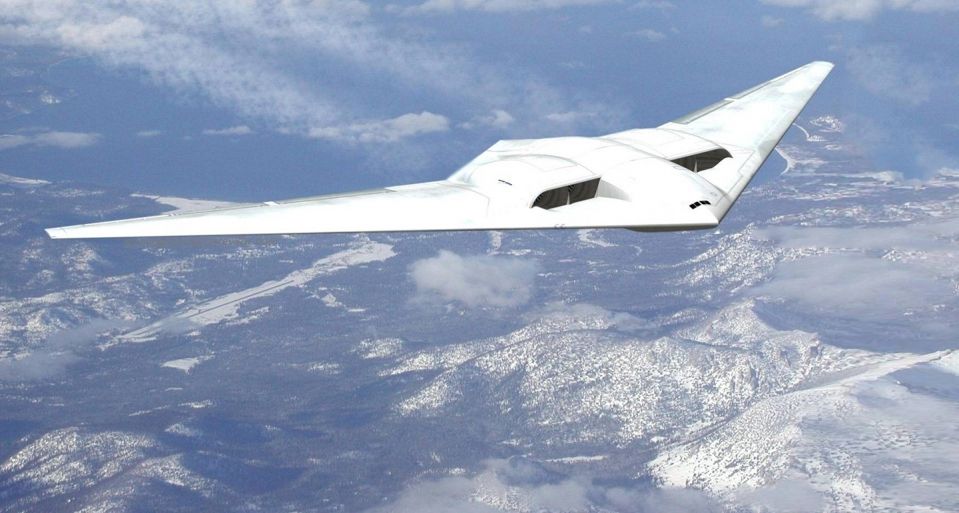
China is expected to have a formidable intercontinental range bomber fleet by the end of the decade, with the H-20 next generation platform reportedly ahead of both its American and Russian counterparts and set to enter service before 2025. The U.S. began constructing the first prototype of its own next generation bomber, the B-21, in 2019, while Russia announced that its own PAK DA bomber would see its first prototype begin construction in May 2020. Russia has also invested in a parallel next generation bomber program, the Tu-160M, which was initiated late in 2017 and is expected to provide 50 advanced supersonic platforms which are compatible with a wide range of standoff munitions. The Tu-160 is currently considered the world’s most dangerous and versatile intercontinental range heavy bomber, although the entry into service of the H-20 and B-21 are expected to change this.
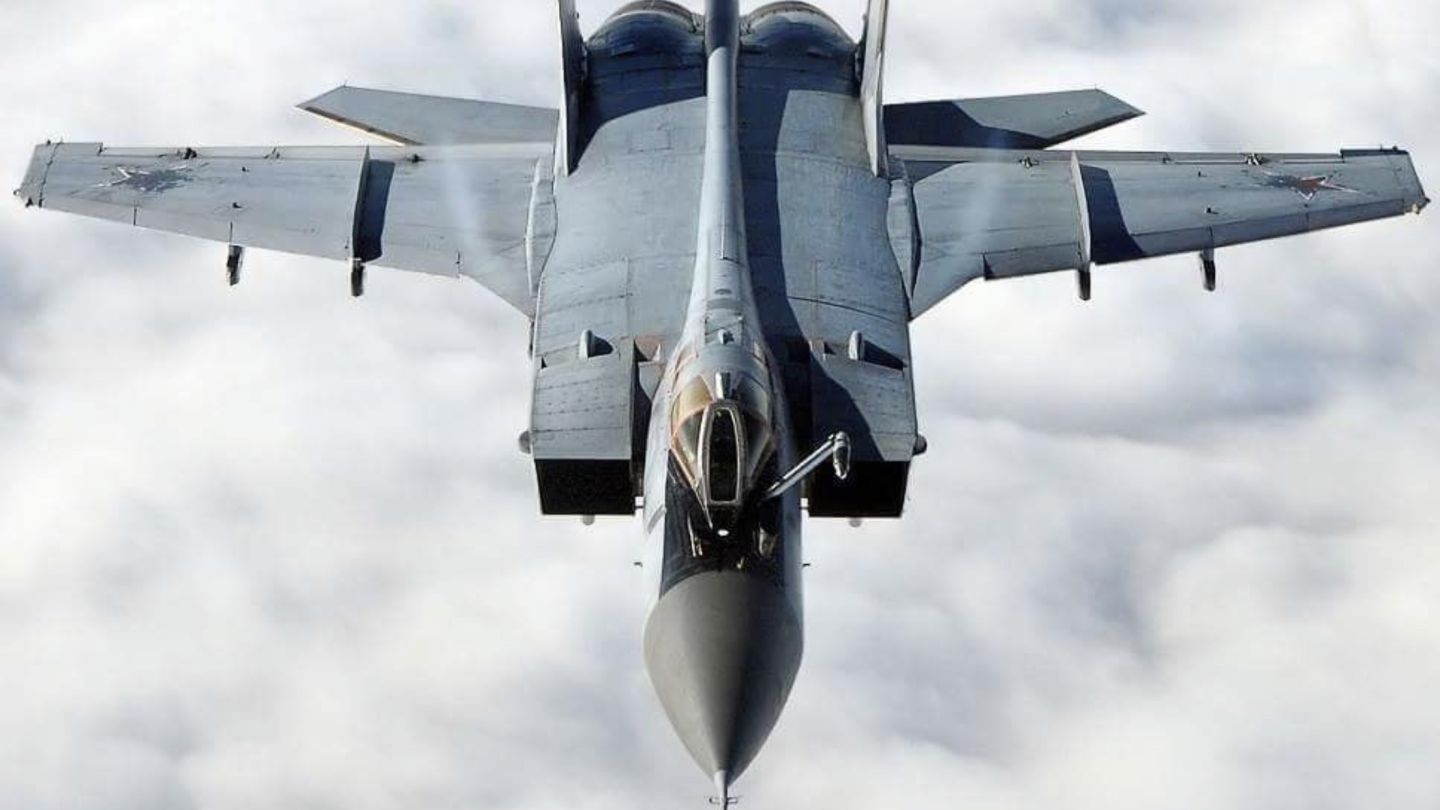
Russia has also invested heavily in advanced interceptor aircraft to protect its territory from bomber attacks, notably the MiG-31BSM which has over double the engagement range of any serving American platform and can operate at higher speeds and altitudes. The U.S. appears not to be investing in dedicated interceptor aircraft of its own, which have tended to be extremely costly, and lacks platforms suitable for the role since the retirement of the advanced F-14D Tomcat in 2006 which was considered the most capable of its kind in the world. The upcoming F-15EX air superiority fighter is potentially capable of serving as a long range interceptor, although the relatively short range and low payloads of its AIM-120D missiles - less than half and a third respectively of the R-37 carried by Russian MiG-31s, limits its ability to threaten bombers at range. The U.S. does have the advantage of generally more powerful radars on its heavyweight fighters and more airborne early warning aircraft which can provide a key situational awareness advantage to units tasked with air defence.
