
Preparing to Fight China's J-20 Stealth Jet — American F-22 Raptors Could Soon Form a Special Aggressor Training Squadron
Military Watch Magazine Editorial Staff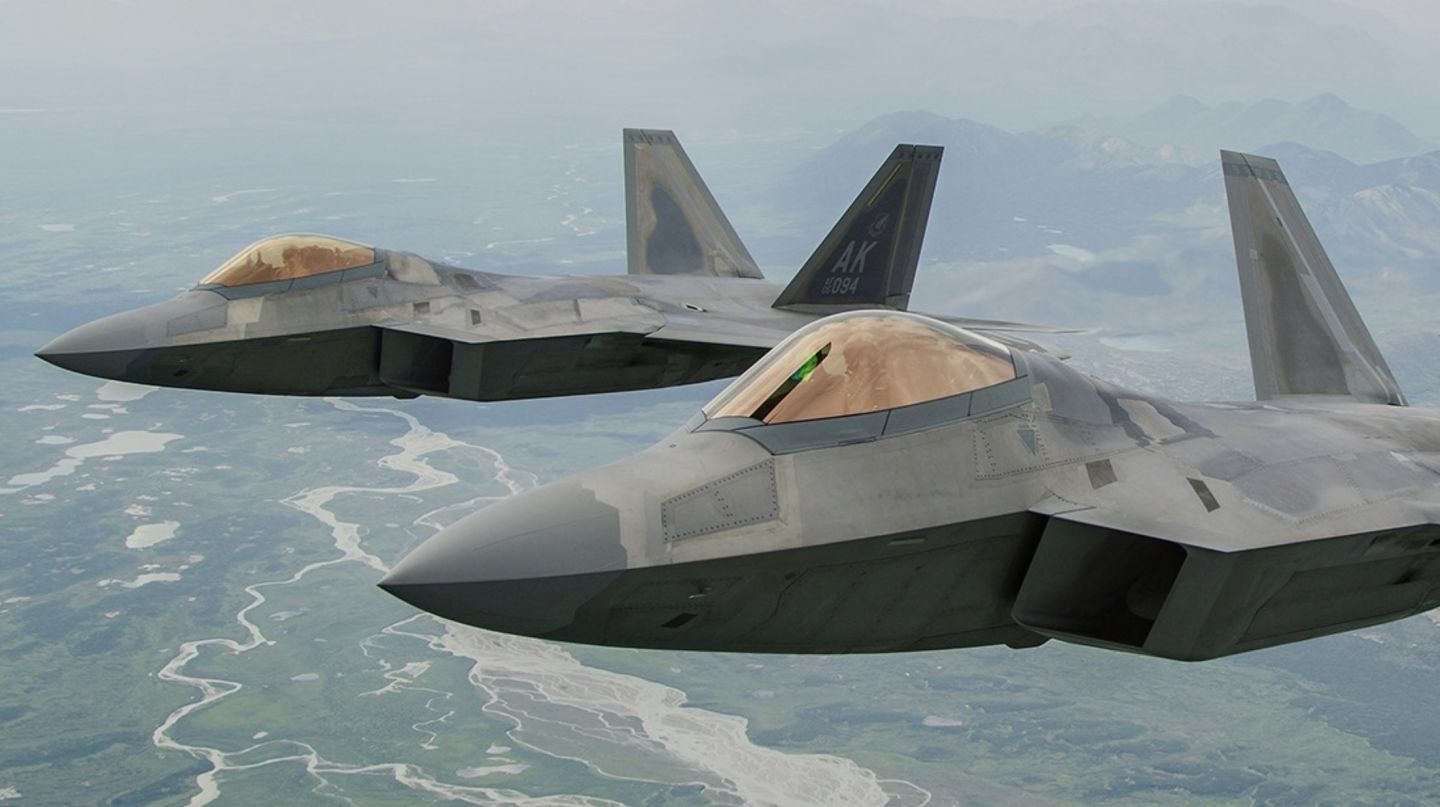
U.S. Air Force F-22 Raptors
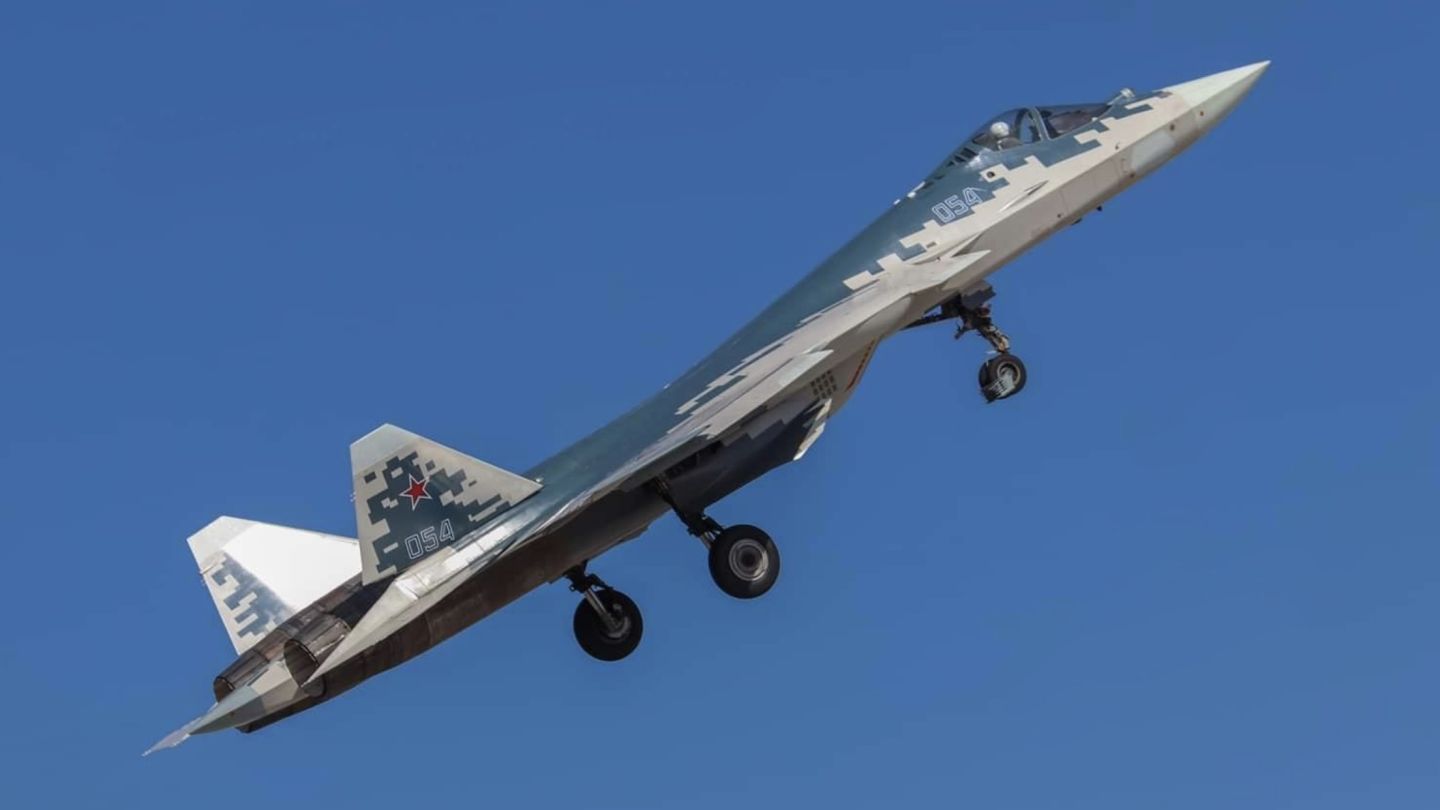
The U.S. Air Force is considering implementing radial changes to how it operates its F-22 Raptor fleet and trains its pilots for combat missions. The Raptor was developed from the early-mid 1970s as a successor to the F-15C Eagle heavyweight air superiority fighter, and was intended to be heavily specialised in air to air combat to engage near-peer adversaries such as the Soviet Union’s Su-27 fleet. Although a fleet of around 750 fighters was originally planned, the end of the Cold War and apparent absence of rival programs led the Barak Obama administration to cut the planned fleet size by 75% to just 187 aircraft in 2009 - less than four years after the fighter entered service. The emergence of advanced Chinese and Russian next generation fighters, including the respective J-20 and Su-57 which first flew in 2011 and 2010 respectively, has placed greater pressure on the American Raptor fleet. The situation has only been made more serious by the development of advanced ‘4+ generation’ heavyweight fighters such as the J-16 and Su-35 which are also capable of challenging the American air superiority fleet in the air.
In response to growing challenges to the Raptor’s control of the sky, recently coming from China in particular, head of Air Combat Command Air Force General Mike Holmes outlined plans on June 22nd to allocate F-22s to adversary training squadrons. He stated to this effect: “Part of what we’re trying to do is see if we could create more capacity without spending more money… We can take some of that training-coded iron and turn it into combat-coded iron. We already paid for it, we already paid for the people that fly it.” Under what the general branded Project Reforge, there could be a fundamentally up-ending of the Air Force's fighter pilot training, trimming down the time it takes to train a pilot from 40 months to as little as 22 and thereby freeing up more aircraft from training programs for other purposes. The program could see the 60 F-22s currently allocated to training and evaluation squadrons used to teach more advanced skills, with the Raptor no longer used for teaching more basic skills and this role instead being taken on by advanced trainer jets such as the T-7 and T-50. This would mean that less Raptors would be required for training purposes, and could potentially free up over a dozen aircraft.
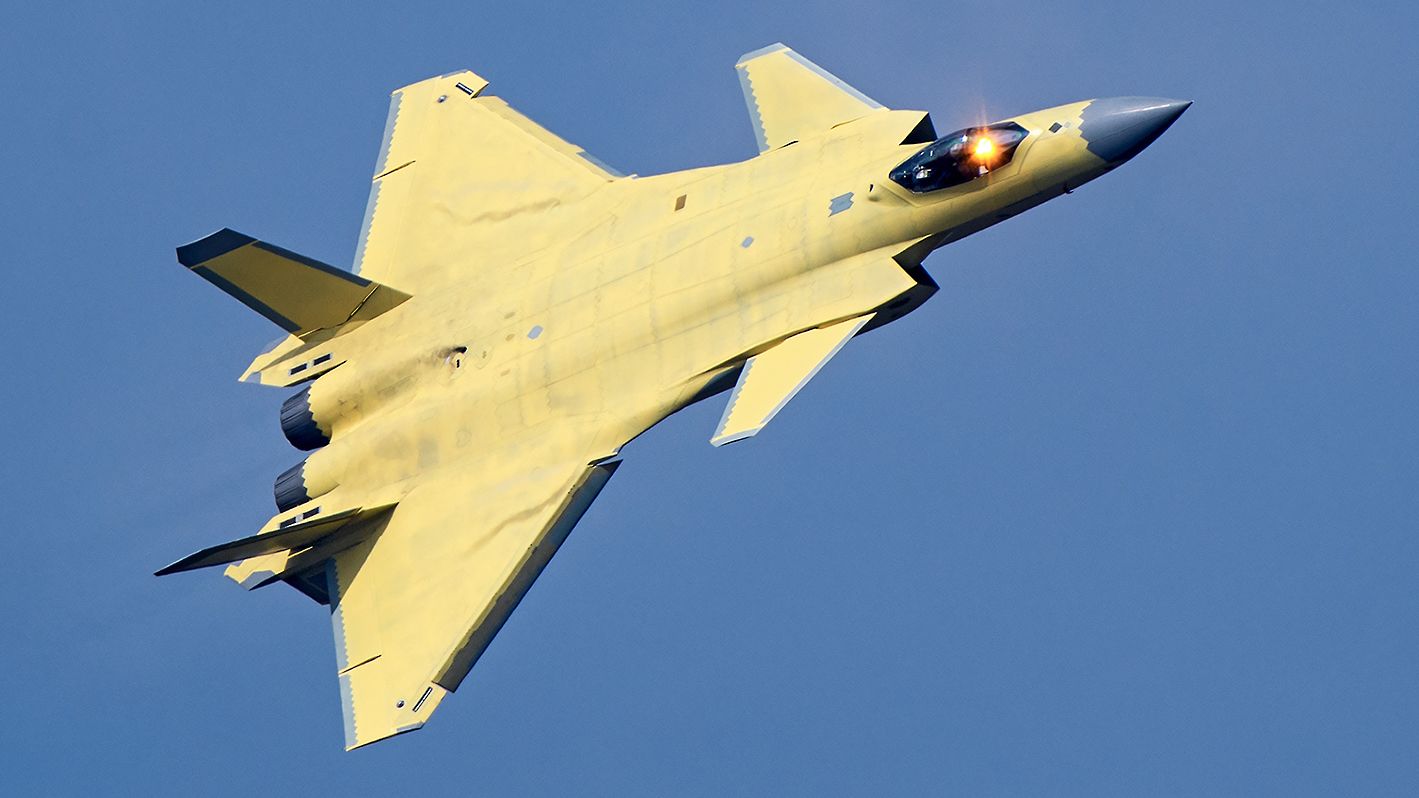
While it had been proposed that training Raptors ‘freed up’ by changes to the training program could be deployed to the frontlines, the costs of preparing them for such operations are expected to be considerable - particularly as they are mostly much older models of the aircraft produced years before it entered service. This led General Holmes to suggest the possibility that newly available Raptors could be used to form ‘red air’ aggressor squadrons. Such squadrons are relied on to simulate the capabilities of enemy fighters to provide pilots with some kind of air to air combat experience. While it has previously been proposed that the Air Force use lighter F-35A fighters to simulate the capabilities of enemy stealth aircraft, the F-22 could be a much better fit given the weight range which China’s J-20 and the majority of new Russian fighters have come from - twin engine heavyweight designs like the Raptor. The U.S. Military has already expressed considerable concern regarding the J-20 in particular, and while its flight performance is currently inferior to that of the Raptor due to its reliance on weaker engines it boasts a number of advantages including use of AESA radar guided air to air missiles with much longer ranges and more powerful sensors than their American counterparts, as well as helmet mounted displays and distributed aperture systems for enhanced situational awareness which the Raptor design is at present too old to deploy. As China begins to field the J-20 in larger numbers, and as the possibility emerges that Russia will widely export its Su-57 to potential American adversaries, the value of a ‘red flag’ adversary squadron comprised of F-22s will only grow.
