
American Pilots Training to Hunt Stealth Fighters; F-35s to Mimic J-20 and Su-57 In New Aggressor Squadron
Military Watch Magazine Editorial Staff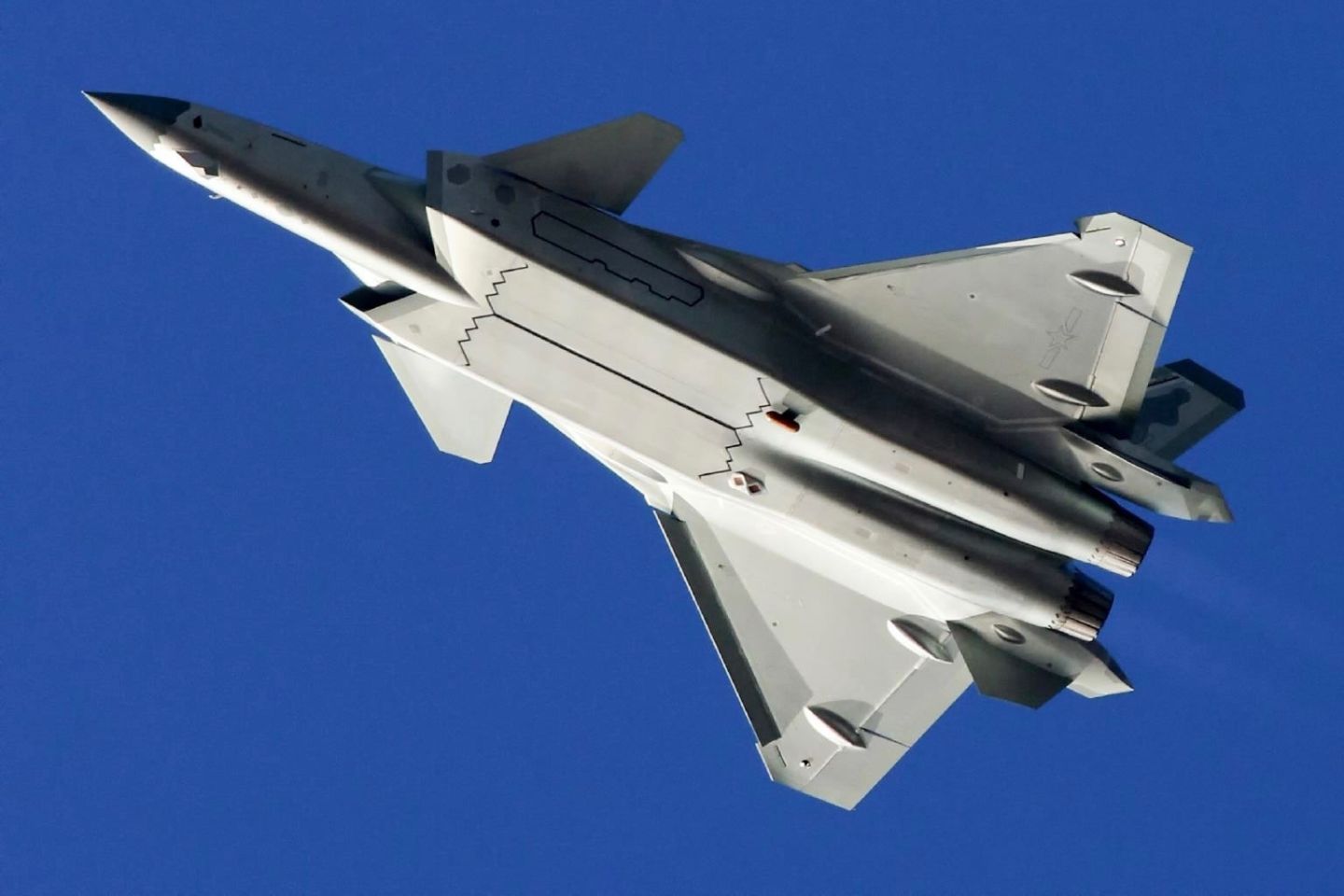
Chengdu J-20 Fifth Generation Fighter
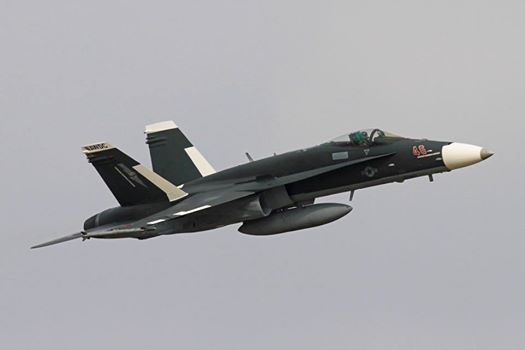
In the latest response by the U.S. military to the growing threat posed by advanced fifth generation fighters deployed by near peer adversaries, the Air Force has formed an aggressor squadron of F-35A stealth fighters to mimick the capabilities of enemy platforms with similar capabilities in mock training engagements with other squadrons. This is intended to provide American pilots with experience countering stealth aircraft, and allow squadrons to better develop tactics to engage and counter enemy aircraft with fifth generation capabilities. The U.S. Air Force’s extensive use of aggressor squadrons has long been a prominent part of its training - with the service in the past going so far as to purchase Soviet fighter aircraft from third parties to assess their capabilities and allow its pilots to fly mock air battles against them. Su-27 and MiG-29 fighters acquired from Soviet successor states in the 1990s and MiG-21s acquired from Indonesia in the late 1960s were key examples of this. More often however, the Air Force has painted American fighters such as the F-16 or F-18 in enemy colours and assigned them the role of mimicking the capabilities of a similar enemy jet.
While no country has yet fielded an analogue to the American F-35, an unspecialised single engine stealth fighter, the aircraft’s use of next generation technologies and in particular its radar evading stealth profile make it the best platform available to mimic the capabilities of Russian and Chinese fifth generation jets. These include the J-20 and Su-57 currently in service - though both are heavily specialised twin engine jets which are close analogues to the American F-22 Raptor rather than the F-35. Given the scarcity of F-22s in American service however, and the extreme operational costs of the platforms, Raptors are highly unlikely to be assigned to aggressor squadrons - with the fleet already overstretched to meet challenges to American air superiority across the world. With the F-35A currently under mass production, available in fast growing numbers, and far cheaper than the Raptor to operate, it is far more suitable for an aggressor training role to mimic hostile fifth generation aircraft.
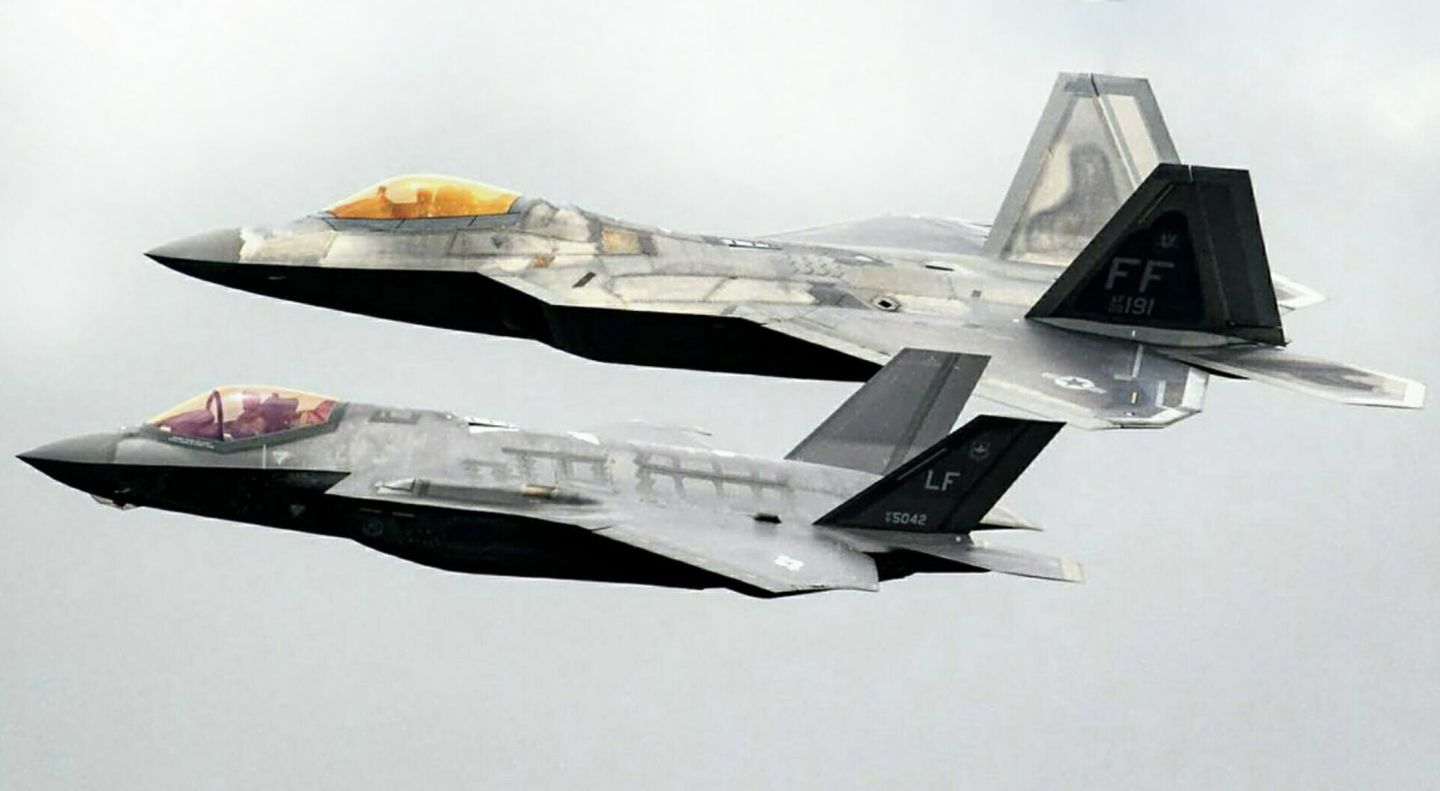
The allocation of F-35 fighters to an aggressor training squadron signifies that the U.S. Air Force increasingly acknowledges growing deployments of fifth generation fighters by its potential adversaries as a source of major concern and a threat to American control of the skies. Forming the world’s first aggressor squadron of fifth generation fighters, the jets will fly as part of the 65th Aggressor Squadron from Nellis Air Force Base in Nevada - and are set to participate in the Air Force’s annual Red Flag exercises. The 65th squadron formerly deployed F-5E Tiger II third generation fighters painted in Soviet colours - primarily to mimic the Soviet MiG-21, and following a sixteen year pause in operations began to operate the F-15C and F-15D in Russian colours from 2005 to mimic the capabilities of the Su-27 Flanker and its derivatives. The composition of aggressor squadrons has thus evolved over time to reflect what the Air Force has perceived as the greatest challenge to its superiority - which today increasingly means fifth generation Russian and Chinese fighters. Nellis spokesman Major Chris Sukach stated regarding the formation of the squadron: “This added capability will enhance the already robust adversary replication provided to U.S. and partner-nation air forces through multiple training and exercise scenarios.” While the F-35A is far slower, lower flying and less manoeuvrable than fifth generation fighters developed by potential U.S. adversaries, it compensates with a more advanced stealth airframe - forcing American pilots to develop counter stealth tactics. The F-35 aggressor squadron thus provides valuable experience should American fighter squadrons need to then counter J-20s over the Pacific or Su-57s over Europe. As more next generation fighters are deployed, and new designs such as the Chinese J-31 and Project AZM fighter enter service, the importance of this experience for American airmen, which can only be provided by a fifth generation adversary squadron, will only increase.
