
How Capable is Cuba’s S-125 Missile System at the Centre of its Defences Against U.S. Air Attacks?
Military Watch Magazine Editorial Staff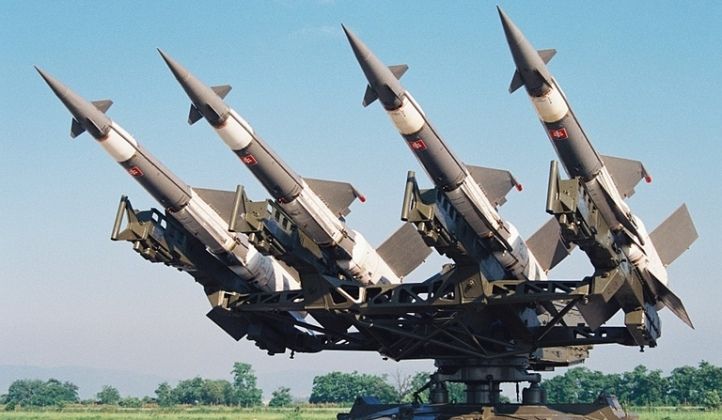
Launcher From S-125 Air Defence System
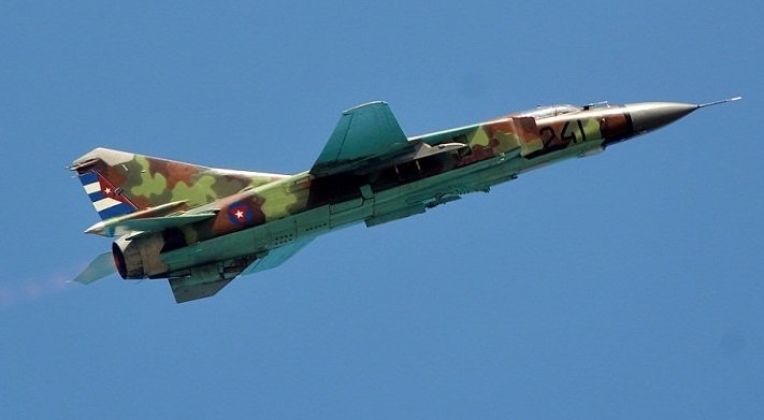
The Cuban Armed Forces have deployed Soviet-supplied S-125M/M1 medium range surface-to-air missile systems for air defence exercises, at a time when the country faces an imminent threat of a U.S. led assault. Trump administration officials have since the beginning of the year provided multiple indications of plans to use military force against Cuba, with the bringing of charges by the United States against former Cuban leader Raul Castro, among other leadership figures, on May 20, considered a significant escalation intended to provide pretext for attacks. The S-125 is considered the most significant component in the Cuban air defence network, with the country’s MiG-23 fighters, which were cutting edge when delivered, having aged and been withdrawn from service, while what remains of its fighter fleet has a very limited combat capability for high intensity engagements.
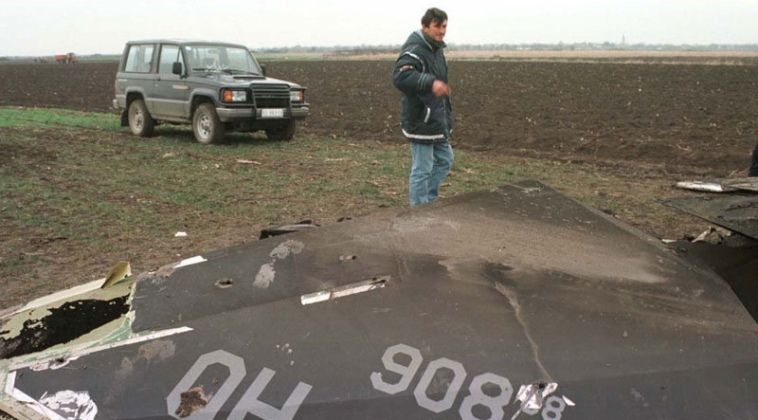
The S-125’s capabilities have significant implications for Cuban security, as while the system is widely operated across the world, the country is the only one to rely on it very heavily as the centre of its air defence network. The system was developed in the late 1950s to create a layered air defence network capable of countering increasingly sophisticated types of NATO attacks, providing a complement to the highly successful S-75 high altitude system. It was optimised to engaging targets at low and medium altitudes, which was something the S-75 struggled with. Designed by the Soviet KB-1 bureau under Aleksandr Raspletin, the system entered service in 1961 and became one of the most widely exported Soviet air defence systems of the Cold War. The system was first combat tested 1973 against Israeli forces during the Yom Kippur War, and while overshadowed during the conflict by the newer 2K12 KuB system, it was still considered to have performed effectively.
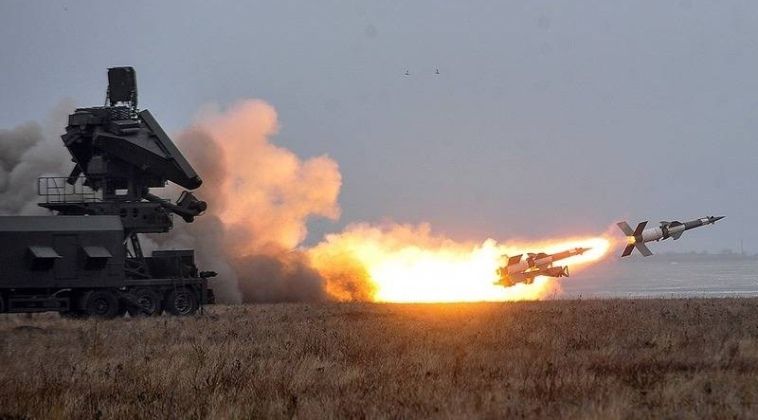
Unlike the large and relatively immobile S-75, the S-125 was designed to use compact two-stage solid-fuel missiles and more flexible deployment arrangements. Newer variants of the system rely on the 5V27 missile, which has a detachable booster stage and a sustainment stage optimised for manoeuvrability. This configuration allows the missile to engage aircraft flying at very low altitudes, sometimes as low as 100 metres while maintaining sufficient agility to attack fighter aircraft conducting evasive manoeuvres. Early variants had engagement ranges of roughly 15 kilometres, while the more modern S-125M and S-125M1 versions deployed by Cuban forces have a much longer 35 kilometre engagement range. These newer variants can engage targets at altitudes of up to 15,000 metres.
Improvements to the S-125M and S-125M1 variants aside from their longer ranged missiles included upgraded radar electronics, improved electronic warfare countermeasures, and missiles with both larger warheads and superior kinematic performances. The missiles used proximity fuzes combined with fragmentation warheads weighing roughly 60–70 kilograms, allowing them to destroy aircraft through dense fragmentation patterns rather than direct impact. The S-125M1 also improved reaction times and target acquisition capabilities, enabling operators to respond more effectively to low-flying strike aircraft appearing suddenly from behind terrain features. Nevertheless, even when these enhanced variants were first brought into service in the 1970s they were not considered cutting edge, and today although not totally obsolete their utility remains in serious question.
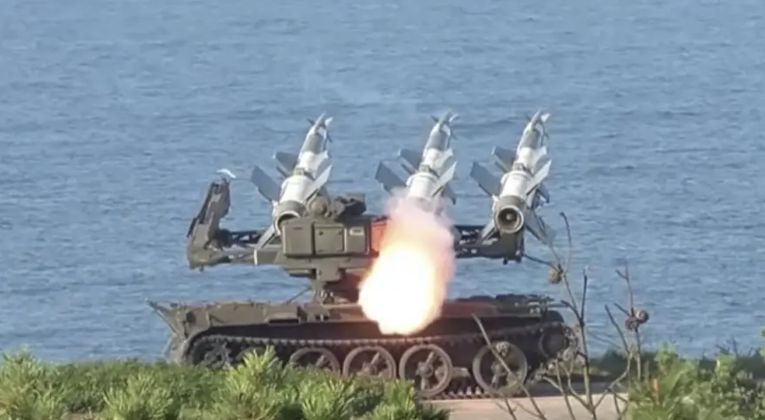
A number of post-Cold War modernisation packages for the S-125 have been developed, primarily in Russia and Belarus, including the Pechora-2M and Pechora-2TM, which replace analogue electronics with digital systems, improving radar processing, and mount launchers on mobile truck chassis to improve survivability. Modernised variants often include GPS-assisted navigation, thermal imaging sights, automatic target tracking, and compatibility with modern command-and-control networks. While Cuban forces have improved survivability by mounting launchers and other system components on tank chassis, however, the extent of modernisation otherwise remains unknown. It was reported in 2025 that the Pechora-2BM modernisation package had been initiated domestically, and included a full electronic overhaul, improved radar guidance, superior target tracking, and an extended missile service life. The effectiveness of this package, and the extent to which it has been implemented, remain uncertain. Cuba’s close defence ties with North Korea, which also operates the S-125 and has developed cutting edge 21st century air defence systems, has fuelled speculation that the East Asian state may have supported efforts to modernise the systems.
