
How Capable Are Existing Missiles on India’s Su-30MKI? Why Purchase of the Israeli Derby-M is Likely a Political Move
Military Watch Magazine Editorial Staff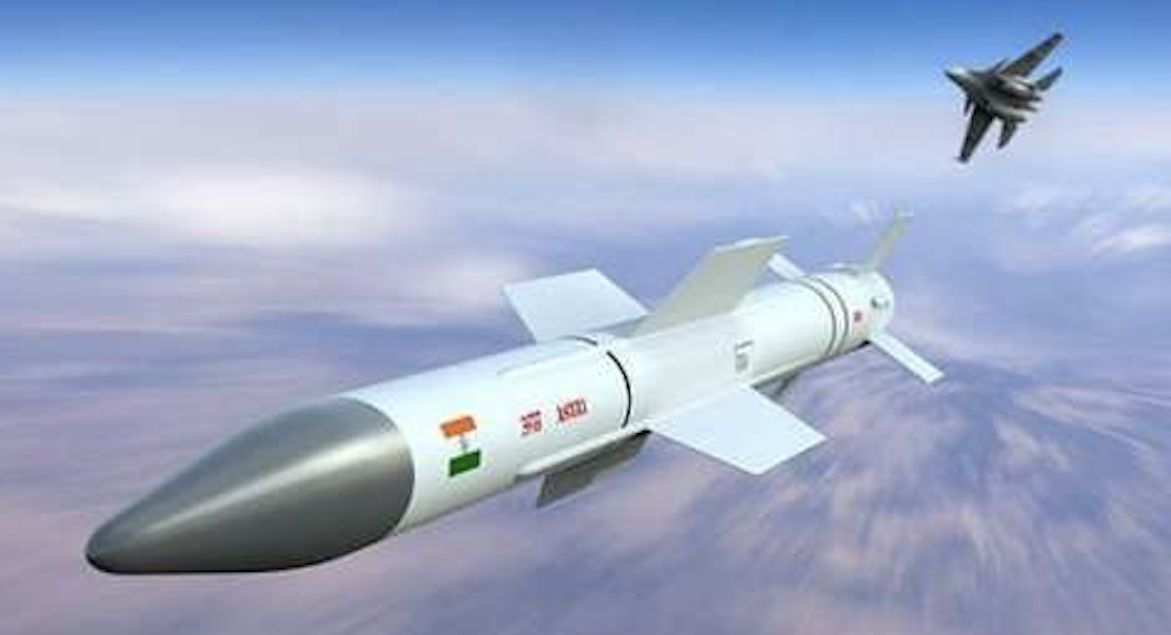
Indian Air Force Su-30MKI Fires Astra Air to Air Missile - Artwork
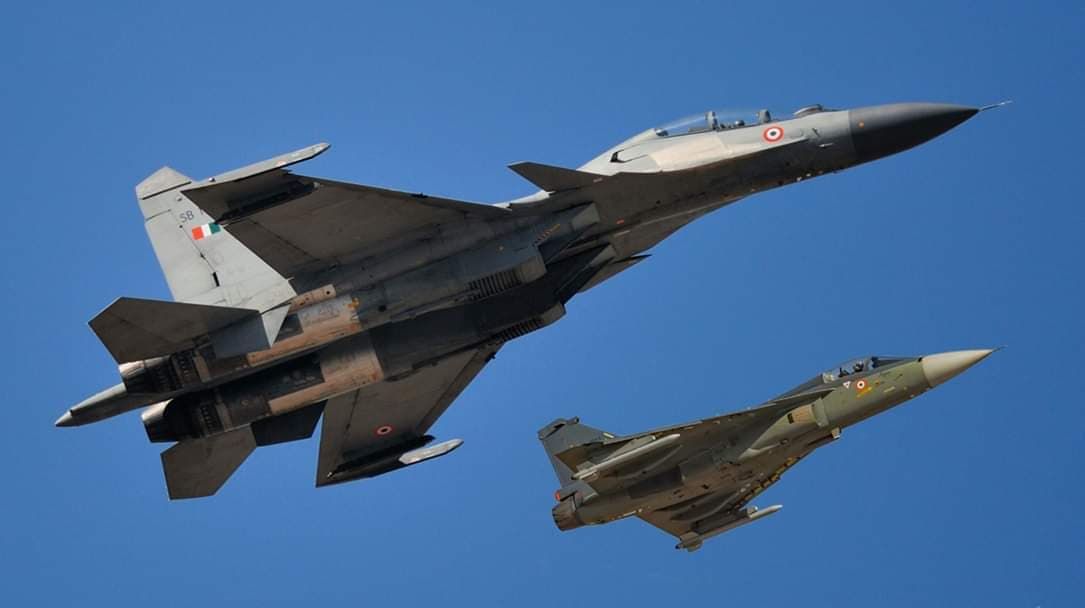
The Su-30MKI twin engine air superiority fighter currently forms the mainstay of the Indian Air Force with twelve squadrons active and plans to field over 300 jets in future. The fighter is a derivative of the Soviet Su-27 air superiority fighter, and integrates a powerful Bars N011M passed array radar, a heavy armament of up to twelve missiles and two dimensional thrust vectoring systems for enhanced manoeuvrability. The fighter is particularly prized for its air to air combat capabilities, and is capable of operating at 20km altitudes exceeding speeds of Mach 2. The fighter holds an edge over most rival platforms in both beyond visual range and visual range engagements. A number of recent reports from Western sources, however, have implied that the Su-30MKI’s Russian made air to air missiles left much to be desired in their recent performance - and that India would instead seek to integrate Israeli Derby-M missiles, also known as Python-6, onto the elite fighters in their place. This comes in light of considerable Western pressure on India to abandon Russian arms acquisitions, which have resulted in Delhi repeatedly being threatened with economic sanctions over major purchases of Russian military equipment and offered more costly Western systems in their place.
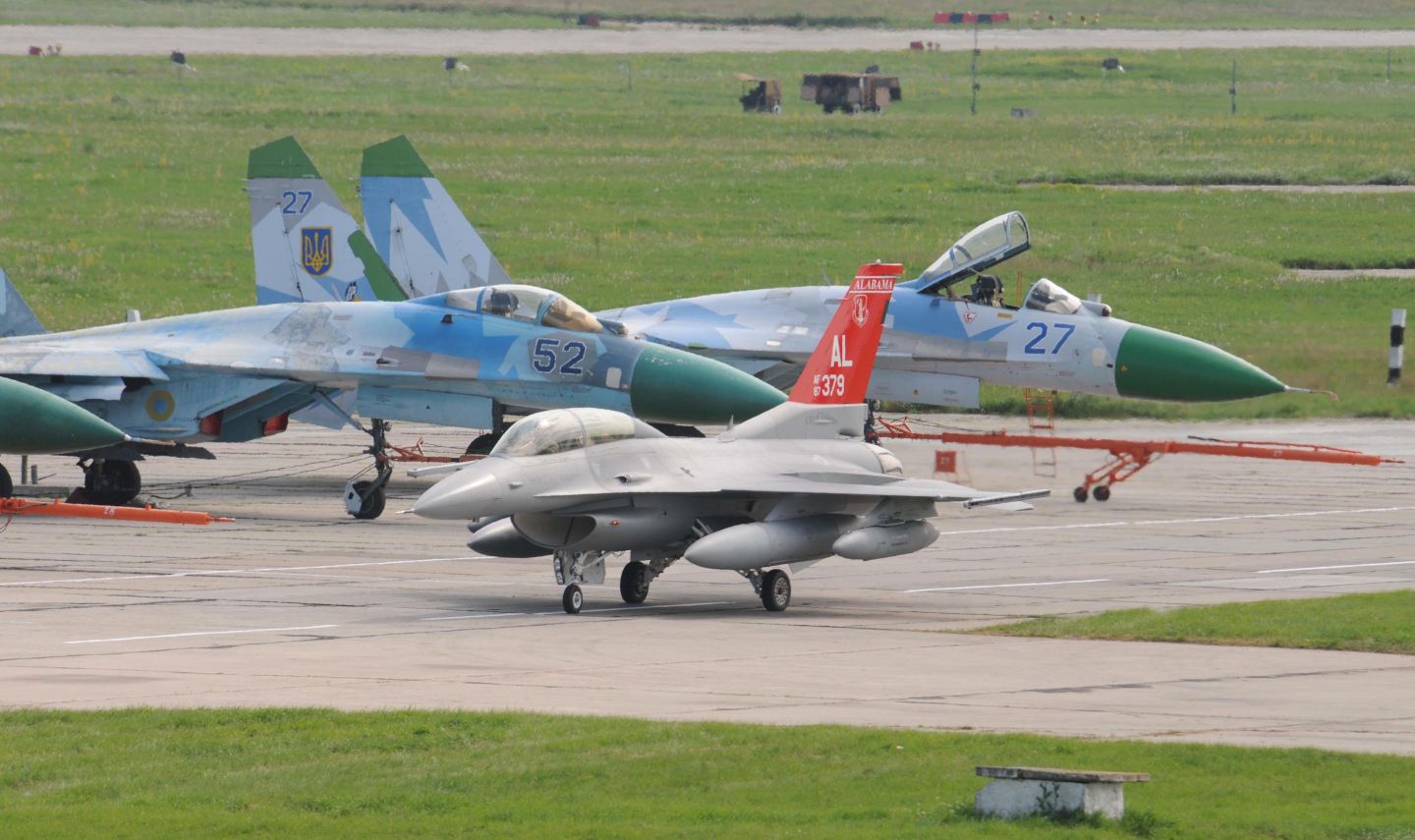
Reports on the Derby-M missile’s acquisition claimed that the Su-30MKI found itself outgunned by Pakistani Air Force F-16 Fighting Falcons, and that while the Indian jets were able to evade attacks by AIM-120C air to air missiles they were unable to retaliate due to the inferior capabilities of their own armament. It was reportedly on this basis that India sought new long range air to air missiles from Israel. An assessment of the Su-30MKI’s air to air capabilities, and the capabilities of its Russian made air to air missiles, puts these reports to serious question and reveals that a decision to purchase the Derby-M is most likely a political one. The Su-30MKI is today equipped with long range air to air missiles which considerably surpass the capabilities of both the Derby-M and the AIM-120C, meaning not only that the fighter deploys far more powerful sensors and twice as many missiles as the F-16 - but the quality of its missiles is also superior. The Su-30MKI’s primarily long range air to air missile in Indian service is the R-77 - a 110km range Mach 4 platform with highly comparable capabilities to the AIM-120C. The AIM-120C for its part is restricted to the same speeds and has a 105km range. The Derby-M is Israel’s first ever long ranged air to air missile, and was developed in 2015. The missile retains a 100km range, and has yet to be integrated onto Israeli fighters which themselves primarily rely on the AIM-120C.
Alongside the R-77, the Indian Air Force has also equipped its Su-30MKI fleet with longer ranged munitions. These include extended range variants of the R-27 such as the R-27ER with 130km ranges and the K-100 ‘AWACS killer’ missile with a 400km range - all capable of comfortably outranging anything in Pakistani service or anything produced by Israel’s defence sector. The R-27ER is capable of travelling at near hypersonic speeds of Mach 4.5 - faster than the AIM-120. The Su-30MKI is also compatible with longer ranged munitions which India has yet to acquire, including the R-27EM with a reported range of 170km and the R-37M - a hypersonic 400km range platform capable of impacting targets at Mach 6. The R-37M is comparable to the new European Meteor missile, though it retains a longer range and is reportedly considerably faster. In 2018, India also integrated the indigenous Astra ramjet powered air to air missile onto the Su-30MKI - a platform with a 100km range and Mach 4.5 speed which is highly comparable to the AIM-120C and the Derby-M but has the benefit of being manufactured entirely domestically using Indian technologies. The Su-30MKI will also reportedly soon be able to integrate Russia's most advanced munition yet, the K-77, which retains a range of over 190km and benefits from an active phased array antenna guidance system making it near impossible to evade even for thrust vectoring capable jets near the limits of the missile's range. Given the capabilities of both Russian long range air to air missiles currently integrated onto the Su-30MKI and of the Astra, and considering the capabilities of more advanced Russian platforms currently available, it is highly likely that any decision by Delhi to purchase Israeli missiles will be almost entirely political given their higher cost, their comparatively limited capabilities, and Israel’s lack of experience developing or operating such munitions.
